
There’s a version of Peru that exists on postcards and social media. We’re sure you’ve seen it. Ancient ruins. Llamas posing on cue. Perfect stonework glowing at sunrise. And then there’s the Peru you meet when you’re walking through it. When someone waves from a doorway, hands you a cup of chicha, or laughs at your “funny accent” before inviting you in anyway.
That second version is what the Inca Jungle trek does best.
This route isn’t just a way to get to Machu Picchu. It’s a journey through working farms, lived-in villages, roadside fruit stands, family-run lodges, and landscapes where people still depend on the land in their everyday lives. It’s active, varied, and occasionally muddy, but culturally, it’s one of the most human treks in the region.
If you’re curious about Peru beyond what you see in the photos, this is where things get interesting.
Table of Contents
A Trek That Passes Through Real Life, Not Around It
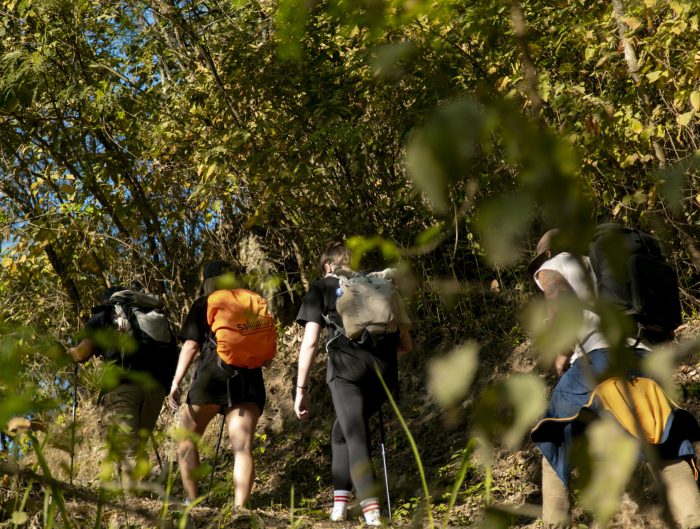
Unlike high-altitude routes that feel removed from modern life, the Inca Jungle trek moves straight through it. You’re not hiking between isolated campsites. You’re passing through communities where people live, work, cook, raise kids, and grow the food you’re eating for lunch that day.
You’ll walk past coffee beans drying in the sun. Banana trees heavy with fruit. Small farms where the rhythm of the day has nothing to do with tourism schedules. It’s not put on for show. It’s not curated. It just is what it is.
Feeling this close to people going about their regular day changes the whole experience. You’re not observing culture from a distance. You’re brushing up against it constantly, often without realizing it until later.
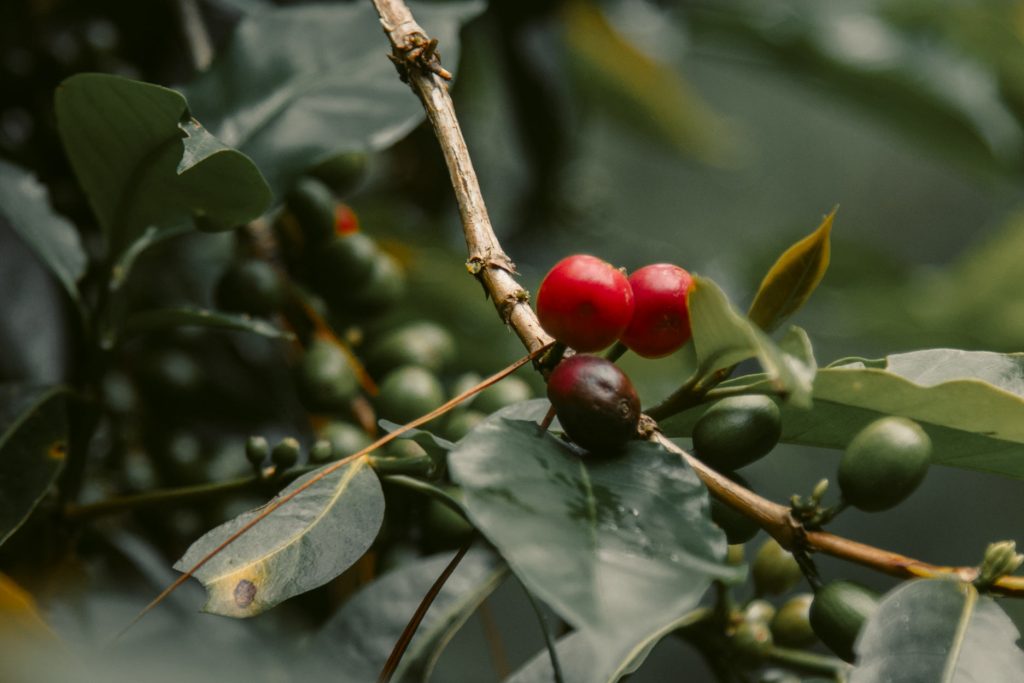
Coffee, Cacao, And Conversations That Don’t Feel Rehearsed
One of the highlights of the Inca Jungle for many people is how often food becomes the bridge between travelers and locals. Coffee is a big part of that.
In this region, coffee isn’t a souvenir but a livelihood. When you visit a local coffee farm, you’re not getting a polished presentation. You’re learning how beans are grown, harvested, dried, and roasted by families who’ve been doing it for generations. You taste the result right there, usually while standing in someone’s backyard, chatting about harvest seasons and weather patterns.
The same goes for cacao. Seeing how chocolate starts its life, before it’s sweet and before it’s wrapped, adds depth to something most of us take for granted. These moments aren’t rushed, and they don’t feel transactional. They feel like someone showing you their world with passion because you happen to be walking through it.
Homestays That Mean Something
Spending the night in small villages is where the cultural connection really sinks in.
These aren’t hotels just trying to look rustic. They’re family-run guesthouses and homestays where hospitality is simple and genuine. Dinner is whatever happens to be cooking. Breakfast is bright and early. And conversations happen in a mix of Spanish, Quechua, hand gestures, and laughter.
You start to notice the details, like how families share meals, how the kids help out, and how evenings wind down without screens or noise. It’s about seeing rural life clearly, without filters.
By the time you leave, Peru no longer feels like a holiday destination. It feels like a place where people live, and you’ve experienced a little slice of their life, even if just for a few days.
Culture Isn’t A Museum Here
One of the biggest misconceptions about Peruvian culture is that it’s all in the past. Well, the Inca Jungle trek quickly changes that idea.
Yes, you’ll see ancient paths and hear about Inca history. That’s a given in this part of the world. But you’ll also see how those traditions evolved rather than disappeared.
Farming methods passed down through families still exist. Quechua is still spoken daily. Rituals are tied to the land, the seasons, and the mountains because they matter to these communities. They aren’t simply put on for visitors to enjoy.
This isn’t culture preserved behind glass in a museum exhibit. It’s culture adapting, surviving, and continuing on its own terms, right in front of your eyes.
Shared Moments That Don’t Make It Onto Your Socials
Some of the most memorable cultural moments on the Inca Jungle trek aren’t the ones people plan for.
It’s a spontaneous chat with a farmer during a rest stop. A local kid runthat runs alongside the group for a few minutes, just for fun. A roadside lunch that turns into an hour-long break because everyone’s enjoying themselves so much.
These moments weren’t part of the original plan, but the route gives you space and time to enjoy them, and they tend to stick with you long after you return home.
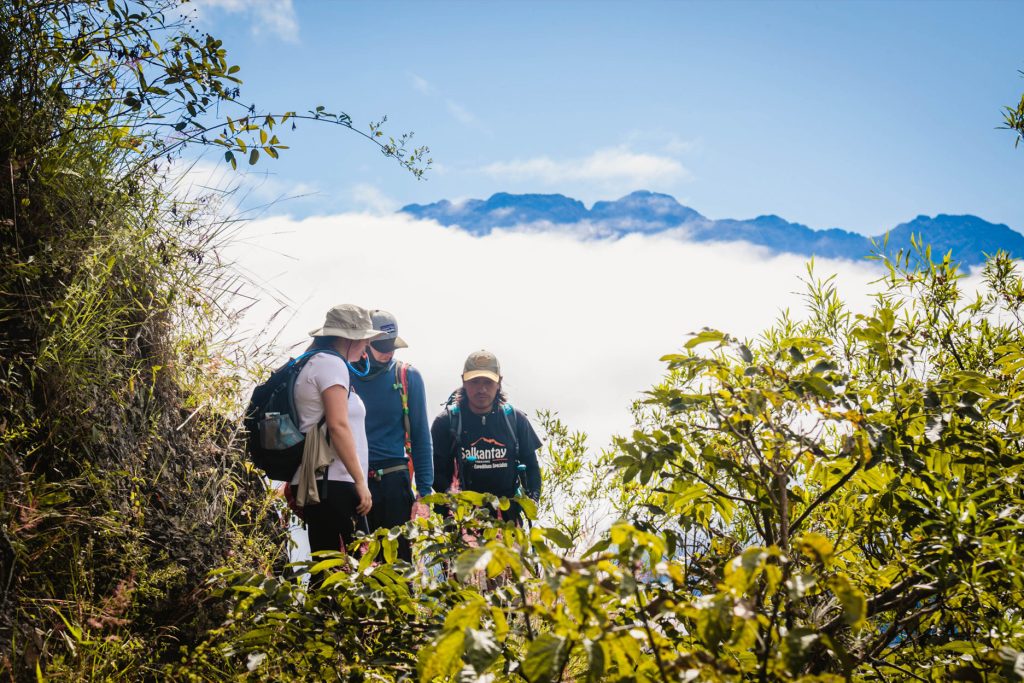
Why The Inca Jungle Feels More Personal Than Other Routes
There are plenty of ways to reach Machu Picchu, and they’re all appealing in their own way. But culturally, the Inca Jungle stands out for one simple reason. It doesn’t isolate you from modern Peru.
You’re not feeling remote at high altitude or on an exclusive trip away from the crowds. You’re part of the flow, passing through, learning as you go, adjusting your pace to the environment.
That makes the experience feel personal and less like you’re following a plan already laid out. It’s immersive and gives you a true glimpse into how life works in this part of the Andes.
The Role Of Local Guides In Cultural Connection
A big part of what makes these cultural moments so meaningful is having guides who understand the region because they’re actually from there. Many of them have family along the route, and grew up and went to school there. Some still live there now.
These guides don’t just explain what’s in front of you. They explain why it matters. They can translate conversations, share their own personal stories, and point out things most people would walk past without noticing. They know which traditions are sacred, which have evolved, and which are just part of everyday life.
This allows you to have a better understanding of the region and those who live there, transforming your trek into a much deeper experience.
Travel That Gives Something Back
When done the right way and by practicing responsible tourism, routes like the Inca Jungle support local economies in so many ways. Staying in family-run lodges, eating locally grown food, and visiting small farms means your presence actually benefits the communities you pass through.
And this doesn’t mean it’s about charity. It’s about exchange. You get insight, perspective, and connection. Locals get income and opportunities without having to change their whole lives for tourism.
That balance matters, and you can feel it as you move along the trail.
Who This Trek Is Really For
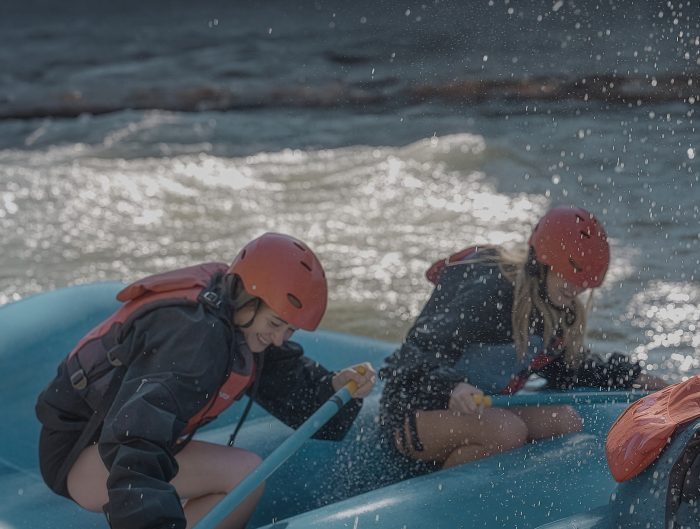
The Inca Jungle trek is ideal for travelers who want more than scenery. It’s perfect if you love adrenaline-pumping activities and want to build a strong group connection.
And if you’re curious about how people live, what they grow, how traditions survive, and what Peru feels like beyond its ruins, this route seriously delivers.
You don’t need to be an expert hiker, either. You do need a sense of curiosity, a bit of flexibility, a sense of adventure, and an openness to experiences that aren’t perfectly polished. The reward is a deeper connection, and not just to the place, but to the people who call it home.
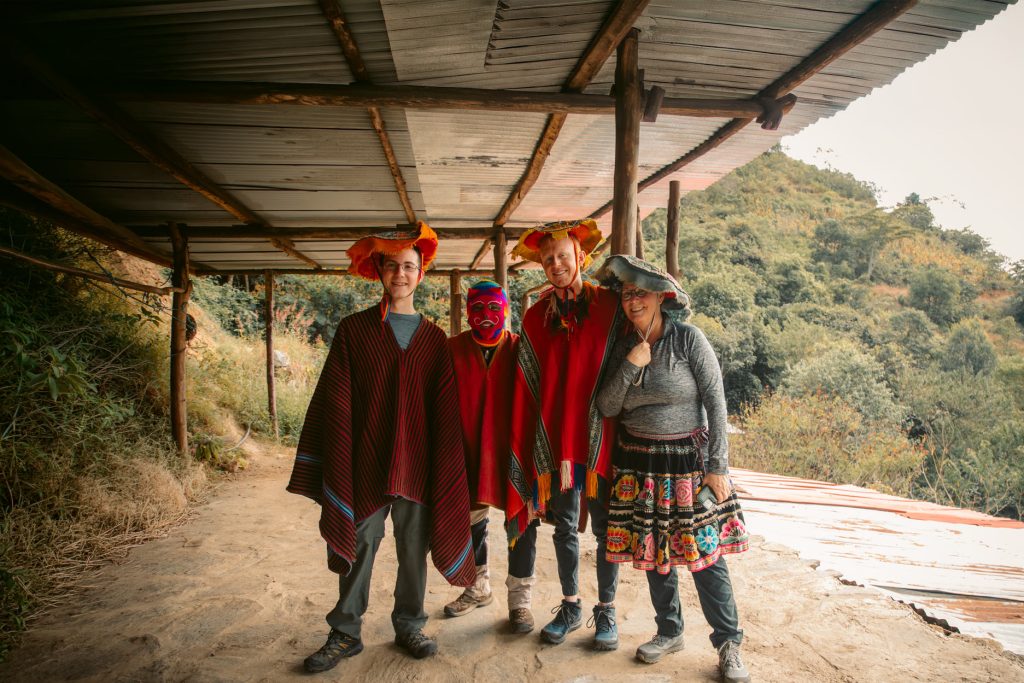
Turning Cultural Curiosity Into A Real Experience
Reading about culture is one thing. Walking through it, sharing meals, learning names, and seeing daily life unfold is something else entirely.
The Inca Jungle trek offers that chance, and not as a side feature, but as part of the journey itself. And if you’re looking for a way to experience Peru that feels grounded and genuinely human, this is one route worth taking seriously.
Details, routes, and logistics are all laid out online if you’re ready to dive in. The culture, though, that part can only be experienced one step at a time. So get planning, pack your bags, and head over to the Inca Jungle.

You might also like
Leave A Reply