
There’s a point on the Inca Jungle Trek when the adventure changes gears. You’ve already been flying downhill on a bike, dodging mountain air and witnessing jaw-dropping views, feeling pretty smug about your life choices. Then the road ends, the raft appears, and suddenly you’re not riding anymore. You’re handing control over to the river.
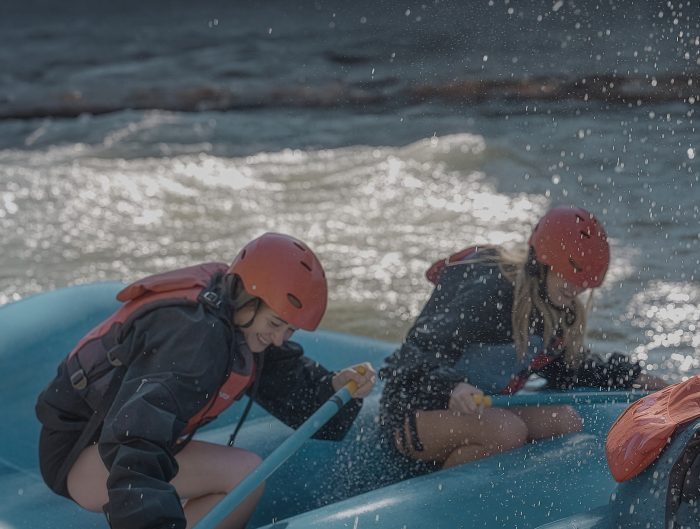
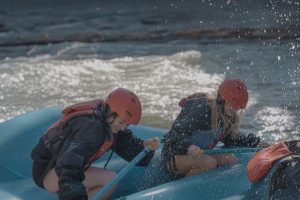
Helmet on, paddles up, nerves buzzing just enough to make it interesting. The jungle closes in, the water starts moving fast, and everything feels louder, wetter, and a lot more alive.
Rafting isn’t a pause between activities or a novelty thrown in for bragging rights. It’s the moment the Inca Jungle shows you exactly what kind of trek it is. Active, playful, unpredictable, and very happy to throw you straight into the experience rather than ease you in gently.
The rafting experience defines the true spirit of the Inca Jungle. Here’s why.
Table of Contents
Where The River Takes Over
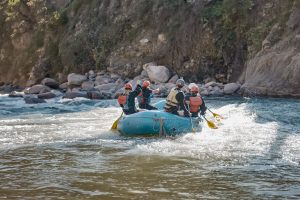
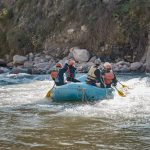
The rafting section of the Inca Jungle Trek runs along the Urubamba River, a waterway that’s been shaping this region long before hiking boots and GoPros showed up. This is rafting at a sweet-spot level. By that, we mean enough rapids to get the adrenaline going, but approachable even if this is your first time holding a paddle. Seriously, anyone can do it if you’re up for the challenge.
Expect Class III rapids. That translates to fast water, real splashes, and plenty of whooping without needing to be a daredevil.
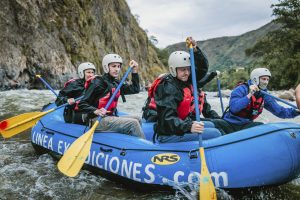
You suit up, get a safety briefing, and then you’re in. The river moves quickly, the jungle presses in close, and the Andes feel less like a postcard and more like a living thing. One minute you’re focused on paddling in sync. The next, you’re drifting between rapids, soaking it all in, wondering why more treks don’t involve this much water and laughter.
This is the Inca Jungle in a nutshell. It doesn’t ask you to be quiet and thoughtful the whole time. It invites you to enjoy yourself.
Why Rafting Helps Set The Tone For The Entire Trek
Rafting comes early in the journey, and that’s no accident. Before the long walks, before the ruins, before the big Machu Picchu moment, you’re thrown straight into teamwork and fun. In the morning, you’re bombing down a mountain on a bike, and in the afternoon, right into the rapids.
Strangers become teammates quickly when there’s fast-moving water involved. By the time the raft pulls over, everyone’s already bonded. Inside jokes are born, and nicknames appear.
It also reinforces your expectations. This isn’t a silent march through history. It’s an active, playful, hands-on way to experience the Andes. From the get-go, the trek leans into variety, and the river gives you an excellent sense of that energy.
The Landscape Hits Different From The Water
Seeing the Andes from a trail is impressive. Seeing them from a river is something else entirely.
Down here, the cliffs feel taller. The jungle feels thicker. The air smells greener. Birds flash overhead. The river bends and reveals new scenery every few minutes. It’s really exciting.
It’s also a reminder of why the Inca Jungle exists as a route at all. These valleys weren’t just crossed on foot. Rivers mattered. Trade routes mattered. Movement mattered. Rafting connects you to that idea in a way walking alone never quite does.
And yes, it’s fun. But it’s also grounding in the best way.
Adrenaline Without The Ego
One of the best things about rafting on this trek is that it’s not extreme for the sake of being extreme. No one’s trying to outdo anyone else. You don’t need prior experience, and you’re not pressured to be fearless.
The guides handle the technical side. You handle the paddling, the laughing, and the occasional surprised cry when a wave hits harder than expected.
It’s the kind of adrenaline that energizes rather than exhausts. When you step back onto dry land, you’re buzzing but ready for what comes next.
And everything else that’s included is where the Inca Jungle really shows off.
Beyond The River: What Else The Inca Jungle Trek Brings To The Table
Sure, the rafting truly defines the spirit of this route, but the trek layers in variety, like it’s showing you how many personalities one route can have. Check them out:
Mountain Biking Over Abra Málaga
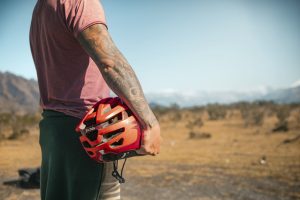
Before you even set foot in a raft, the journey kicks off with a dramatic downhill bike ride from Abra Málaga. This is big scenery cycling. Think snow-capped peaks giving way to cloud forest and cold air turning warm as you descend.
It’s fast, scenic, and wildly satisfying. Even people who claim they “don’t really bike” usually change their tune about five minutes in.
Jungle Trekking Through Coffee Country
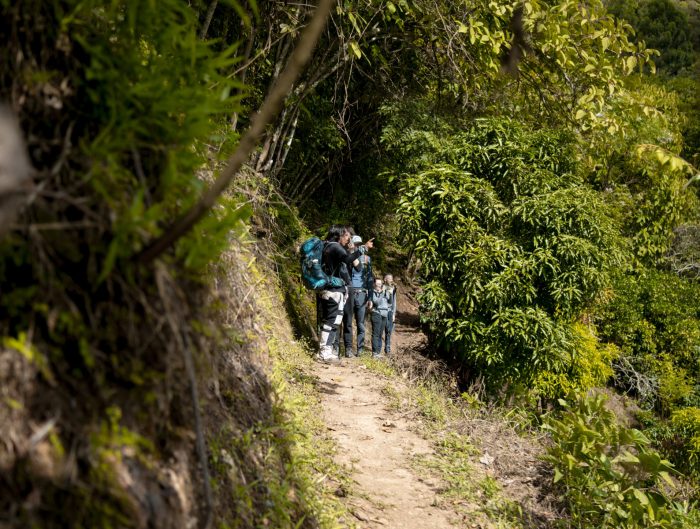
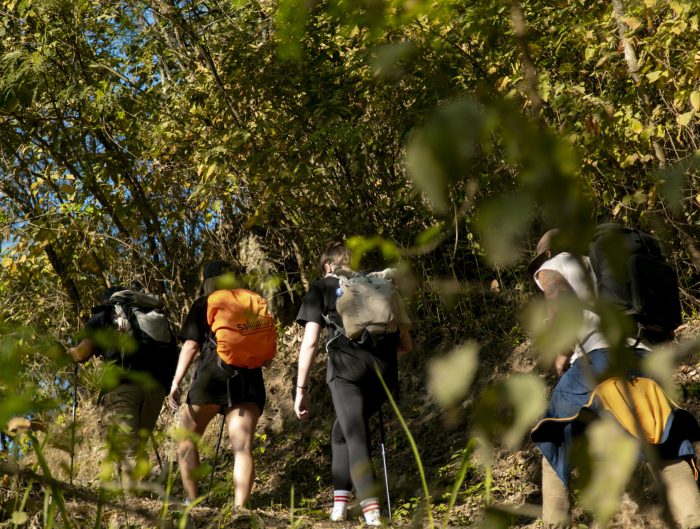
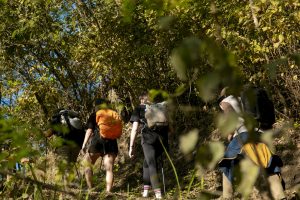
As the days unfold, the trek slows into a rhythm of walking through lush valleys, small villages, and working farmland. Coffee plants grow alongside the trail. Fruit trees hang overhead. This isn’t staged. This is true rural life.
This is where the Inca Jungle earns its name. It’s green, humid, and alive in a way the high Andes simply aren’t.
Hot Springs That Feel Earned
After long days of moving in various ways, soaking in natural hot springs near Santa Teresa is just what the doctor ordered. Warm water, mountain air, and those tired legs finally relaxing.
It’s not luxury. It’s better than that. It’s real relief.
Optional Ziplining Because Why Not
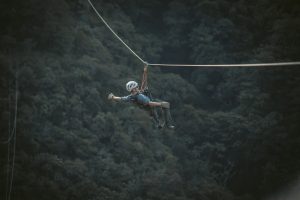
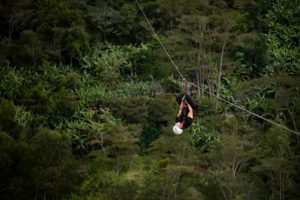
If your fun-o-meter still has a little way to go to reach 100%, ziplining is often on the menu. Flying across jungle canyons isn’t mandatory, but it’s very on-brand for a trek that enjoys mixing things up.
The Walk To Machu Picchu
The final stretch leads toward Aguas Calientes and, ultimately, Machu Picchu. By this point, the famous citadel doesn’t feel like the only highlight. It feels like the grand finale to a journey that’s already been packed with so many awesome and memorable moments.
And that’s important. Machu Picchu shines brightest when it’s not carrying the entire trip on its heavy stone shoulders.
Why This Trek Attracts A Certain Kind Of Traveler
The Inca Jungle Trek tends to attract people who like a little chaos in their adventure, in the best possible way. People who want history, yes, but also want to laugh, get wet, get muddy, and feel part of the landscape instead of just observing it.
Rafting fits perfectly into that mindset. You’re not here to tiptoe around the Andes. You’re here to engage with them and get stuck into whatever they throw at you.
If that sounds appealing, it usually is, and this could be just the trekking adventure you’re looking for.
The River Lingers Long After The Trek Ends
Ask people what they remember most about the Inca Jungle, and rafting is often a top pick. Not because it’s the most famous part, but because it’s so exhilarating.
You remember the cold splash of water. The sound of paddles hitting the river in unison. The way the jungle seemed to lean in close. The feeling that this trek wasn’t just something you walked, but was something you did.
That’s the spirit of the Inca Jungle. Active. Joyful. A little unpredictable.
And if a trek starts with a downhill bike ride and a river pulling you into the experience instead of easing you in gently, that’s usually a very good sign you’re exactly where you should be.

You might also like
Leave A Reply