
The Inca Jungle trek isn’t just about getting from point A to Machu Picchu. It’s about the adventure you have along the way and the places in between. It’s the towns you roll into with dusty trainers, big appetites, and zero expectations. Santa María and Santa Teresa are two of those places.
These are Peruvian jungle towns with real lives happening all around you. Kids walking home from school in flip-flops. Farmers hauling bananas before breakfast. Mototaxis buzzing past like they’re late for something important (they probably are). This is the part of the trek that doesn’t feel staged or polished, and that’s exactly what makes it so special.
If you’re walking the Inca Jungle route, you don’t just pass through Santa María and Santa Teresa. You drop into them. And once you do, you start noticing the everyday stories that make this trail different from any other. Join us to take a closer look into jungle life along the Inca Jungle trail.
Table of Contents
Santa María: Where The Jungle Wakes Up Early
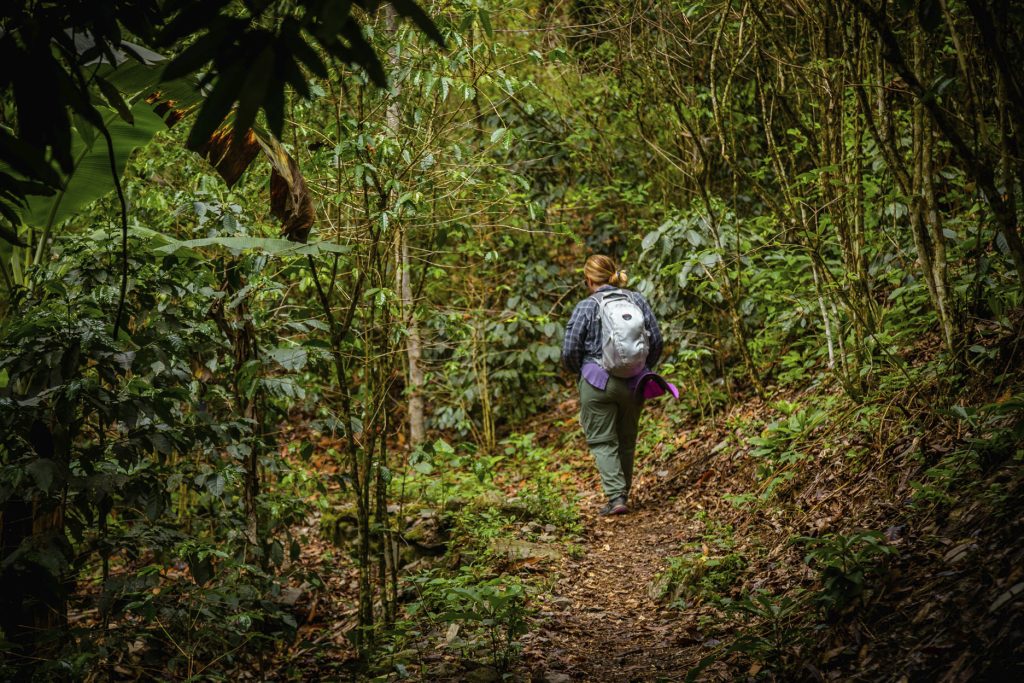
Santa María sits low in the high jungle, warm and green and alive before the sun fully clocks in. Roosters start making a noise long before alarms go off. By the time trekkers wander out for breakfast, the town is already in full mid-morning mode.
Local shops open early. These aren’t souvenir shops. They’re real ones for locals. Bread stacked behind glass. Crates of fruit out front. Someone sweeping yesterday’s dust back into the road like it’ll stay there this time. It won’t.
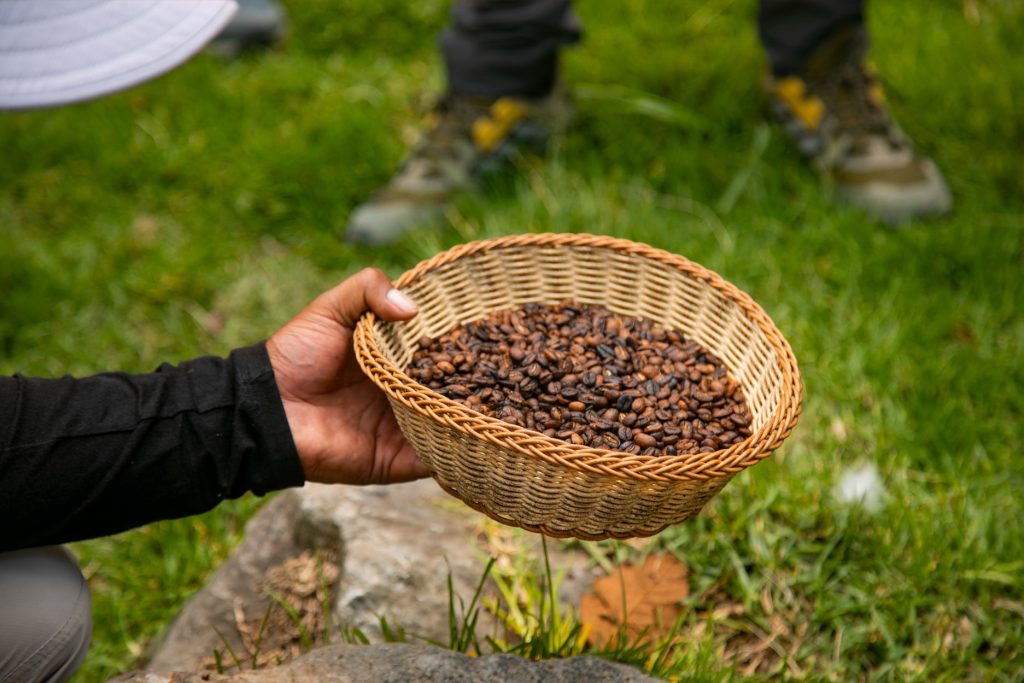
This town runs on agriculture. Coffee, cacao, bananas, oranges; if it grows well in humidity, it’s probably grown nearby. Talk to a local for more than thirty seconds and farming will come up. Not as a sales pitch, just as part of life.
For trekkers, Santa María is often the first proper taste of jungle living on the Inca Jungle trek. After the higher Andean sections, the air feels heavier, greener, and louder. Cicadas don’t care that you’re tired and want a little peace. The jungle doesn’t pause for photo opportunities. It’s always moving, but at a slow, calm pace.
And that’s kind of the magic.
Daily Life Doesn’t Stop For Trekkers
One of the most grounding things about Santa María is that no one’s performing for visitors. You’re not the main character here, even though you might think you are after bombing down the mountain on a bike. You’re just another person passing through, muddy boots and all.
Kids play football in the street until a truck needs to pass. Abuelas sit outside chatting like they have all afternoon (because they usually do). Someone will almost certainly offer you fruit. Refusing feels rude. Accepting feels right.
You start to notice the rhythm. Mornings are busy, afternoons slow down, evenings belong to family and food. It’s simple, but not easy. Life here depends on weather, crops, and roads staying open. The jungle gives a lot, but it also decides the rules.
For anyone doing the Inca Jungle trek, Santa María is where the trail shifts from adventure to immersion. You’re not just hiking anymore. You’re moving through someone’s home.
Santa Teresa: A Town Built Around Movement
If Santa María feels agricultural, Santa Teresa feels transitional. It’s a place people pass through, including trekkers, traders, and locals heading to and from work, but it still has its own steady pulse.
Set along the river and framed by steep green hills, Santa Teresa is louder, busier, and slightly chaotic in the best way imaginable. Mototaxis are everywhere. Music drifts out of shops. The smell of chicken cooking somehow follows you down the street.
This is where jungle life meets opportunity. Tourism has shaped the town, but it hasn’t taken over. Locals still outnumber visitors. Daily routines still matter more than itineraries.
For trekkers, Santa Teresa often comes with a sense of relief. Hot showers. Proper meals. Cold drinks that actually stay cold. After long days on the trail, this town feels like a reward for all your effort.
Stories You Only Hear If You Stay A While
Spend the night in Santa Teresa and the town opens up a bit. You hear stories, and not the polished ones, but the casual, half-told kind.
A café owner who started with one table and now feeds the whole street. A guide who grew up walking these paths in flip-flops and now leads groups from all over the world. Families who’ve watched the Inca Jungle route grow from a quiet alternative into one of the most adventurous ways to reach Machu Picchu.
These stories don’t come with speeches in front of the whole gorup. They come while waiting for food. While watching the rain roll in. While laughing about how unpredictable jungle weather can be.
And that’s the thing. Santa Teresa doesn’t sell you a narrative. It lets you overhear one from someone who lives and breathes its air.
Hot Springs, Cold Realities
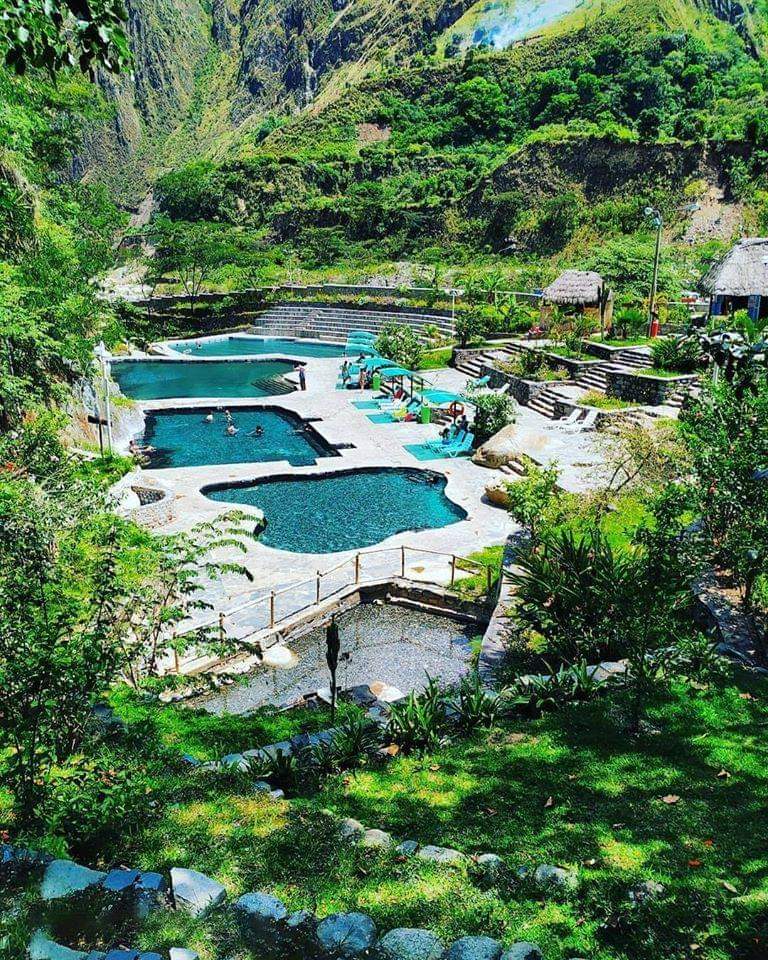
The nearby hot springs of Cocalmayo get a lot of attention, and yes, they’re really worth it. Warm water, jungle air, tired legs finally forgiving you. But just beyond that relaxation is real life continuing as normal.
Locals work long days. Kids still have homework. Crops still need tending. The springs are part of the landscape, not an escape from it, although many locals head down to unwind for a while after a tiring day.
For trekkers, this contrast hits home. You’re here for adventure and discovery. The people around you are here because this is home. The Inca Jungle trek makes that difference visible in a way few routes do.
Why These Towns Matter On The Inca Jungle Trek
Santa María and Santa Teresa aren’t just logistical stops. They’re what give the Inca Jungle trek its personality.
This route isn’t about ticking off ruins at high speed. It’s about moving through living landscapes in a variety of ways and meeting the people who know them best. These towns ground the journey. They remind you that Peru isn’t a backdrop. It’s active, complex, and very much alive.
By the time you leave Santa Teresa and continue toward Machu Picchu, something has shifted. You’re still excited for the ruins. That goes without saying. But you’re also carrying conversations, faces, and small moments that don’t fit neatly into photos.
The Quiet Persuasion Of Jungle Life
No one in Santa María or Santa Teresa is trying to convince you of anything. And yet, by the time you move on, the message is clear.
Slow down. Pay attention. Eat well. Walk with purpose. Let places be what they are instead of what you expected.
That’s the real gift of these jungle towns. They don’t shout for attention, but they stay with you long after the trek ends.
If you’re choosing the Inca Jungle route, you’re already saying yes to something a little different. And once you experience everyday life in Santa María and Santa Teresa, it’s hard to imagine doing it any other way.

You might also like
Leave A Reply