
Phones buzz. Emails pile up. Screens glow long after bedtime. Modern life is loud, and it follows everyone everywhere, unless there’s a deliberate decision to step off the grid.
Enter the high jungle section of the Inca Jungle trek: warm, green, chaotic in the best possible way, and blissfully bad at Wi-Fi.
This is the part of the Andes where cloud forest blends into jungle, where rivers do the talking, and where the idea of “just checking one thing” disappears pretty fast. A digital detox doesn’t feel forced here. It happens naturally, almost sneakily. One minute, there’s a phone in a pocket. The next, there’s no signal, sweaty palms, and a very real sense of being alive.
This is where disconnecting truly feels good.
Table of Contents
What Exactly Is The High Jungle?
The high jungle, also known as the cloud forest zone, is the lush middle ground between the high Andes and the Amazon basin. On the Inca Jungle trek, it’s where elevation drops, temperatures rise, and everything turns green. Very green.
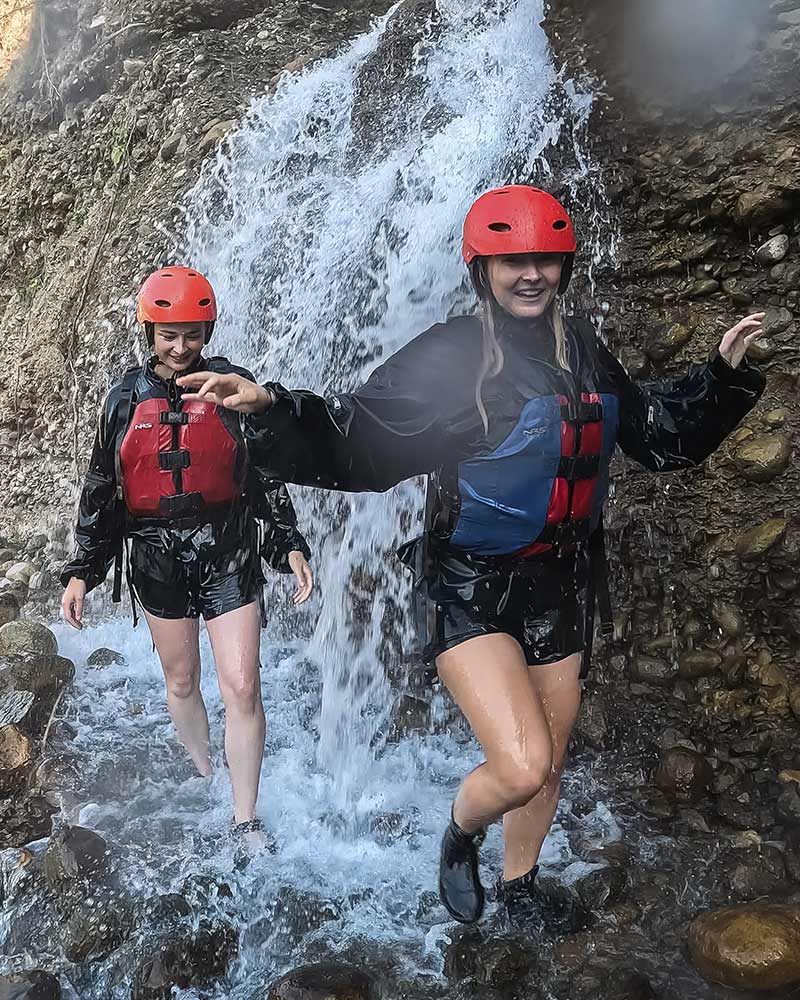
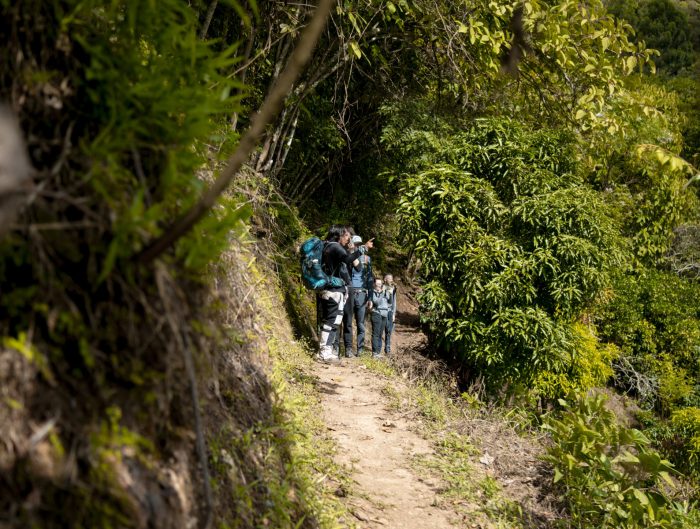
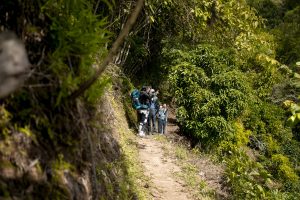
Think towering trees wrapped in mist, orchids clinging to cliffs, waterfalls appearing out of nowhere, and trails that feel more like secret paths than official routes. It’s humid without being unbearable, wild without being intimidating, and alive in a way cities just aren’t.
This zone is one of the most biodiverse parts of the trek. Think of birds, insects, plants, and fruit trees all competing for attention. The jungle doesn’t stay quiet. It hums, chirps, drips, and occasionally shrieks. And that constant natural noise does something funny to the brain. It refreshes, reawakens, and helps you forget about the noise of everyday life.
Why The High Jungle Is Perfect For A Digital Detox
A digital detox usually sounds like effort, right? Rules. Self-control. Resisting temptation. Well, luckily for you, the high jungle skips all that.
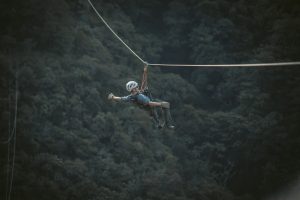
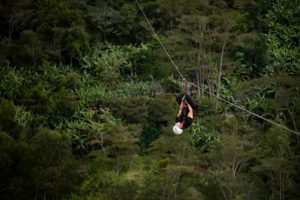
There’s limited signal. Charging opportunities are rare. Days are busy in the best way. Phones stop feeling important when your hands are occupied with trekking poles, zipline harnesses, or mugs of hot coffee grown by the same person who’s serving it to you.
More importantly, the environment demands presence and focus. Trails can be muddy. Steps can be steep. Views appear suddenly and disappear just as fast behind clouds. Looking down at a screen usually means missing something genuinely awesome, and that’s motivation enough.
This isn’t about deleting apps or making grand promises to yourself. It’s about forgetting your phone exists because real life is happening right in front of you.
The Mental Reset Nobody Talks About Enough
Something changes after a day or two without constant notifications. Thoughts slow down. Attention spans stretch back out. Conversations get better, longer, funnier, and less interrupted.
Trekkers often notice they sleep more deeply and wake up earlier. Not because someone said to, but because the body falls back into rhythm with daylight and movement. The jungle has a way of setting its own schedule, and you’ll find it hard not to follow the same routine.
Stress doesn’t vanish completely. This is still a trek with plenty of challenges, after all. But it changes in character. Instead of deadlines and inboxes, it’s about whether boots are dry or if there’s time for another cup of coffee. These are much more manageable problems.
Why Trekkers Feel Better Out Here
There’s science behind it, but the feeling alone is convincing. Green environments lower stress levels. Physical movement releases endorphins. Fewer screens mean fewer distractions pulling your attention in ten directions at once.
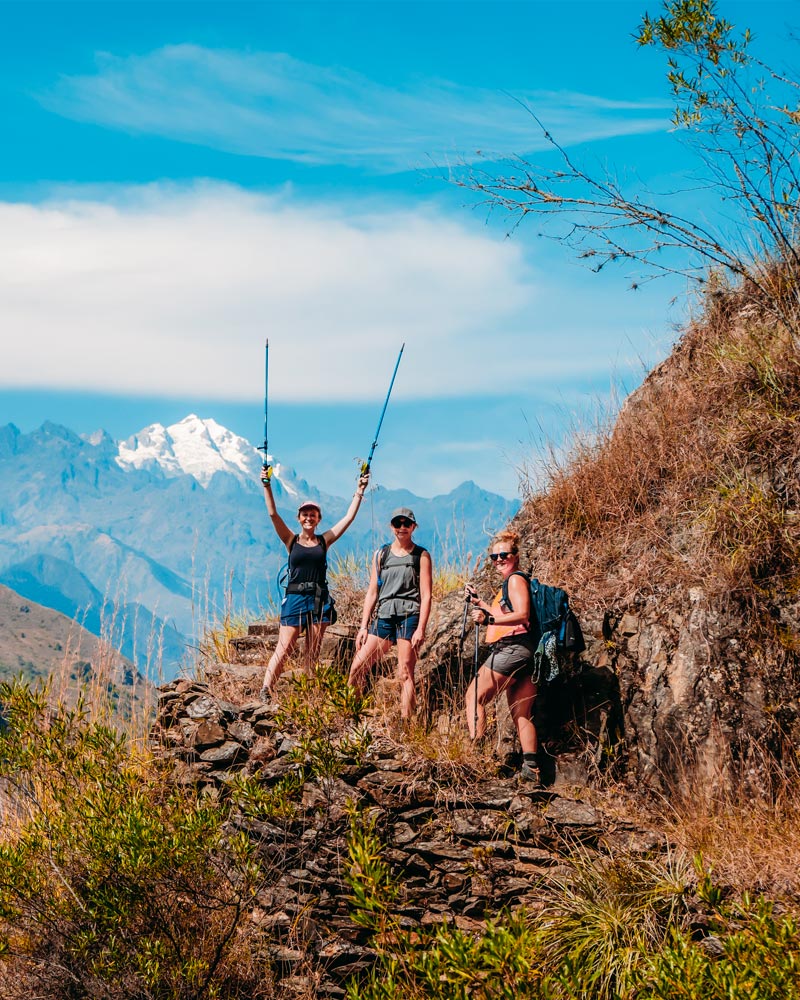
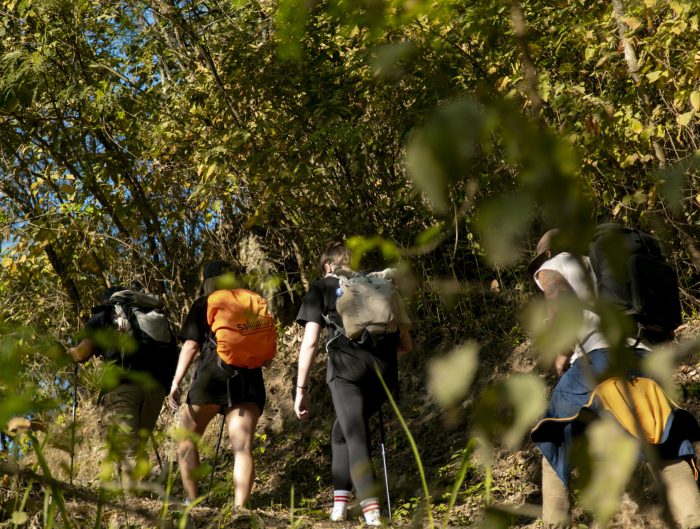
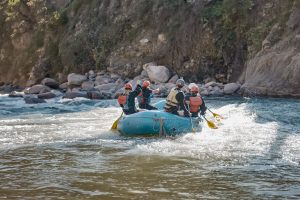
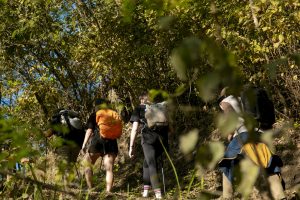
On the Inca Jungle trek, the high jungle delivers all of that at the same time. You can expect long walks through dense forest. Open views across valleys. Breaks near rivers where cold water makes tired feet feel new again. Meals that taste better because they’re earned.
Trekkers don’t just arrive at the end fitter. They arrive clearer. Less wired. Less fried. More like their genuine selves.
Real Connection Beats Any Signal Bar
Here’s the best bit. Losing digital connection often improves human connection.
Without phones on the table, people talk. They laugh. They complain about the hill they just climbed and bond over how good the next downhill feels. Shared effort speeds things up. By the second or third day, groups feel less like strangers and more like teammates.
Guides become storytellers rather than walking, talking FAQ answerers. Evenings turn into special moments. Simple ones, sure, but memorable. A cold beer after a humid day. A thunderstorm rolling in while everyone stays dry under a tin roof. These are the things that stick, not the photos that never quite capture the moment right.
The High Jungle Versus Everyday “Wellness”
There’s no yoga mat. No green juice cleanse. No inspirational quotes taped to mirrors.
The high jungle doesn’t try to be wellness-themed. It just is. Movement, nature, challenge, rest. That combination works far better than most put-together retreats.
And unlike a weekend getaway, this reset lasts. People leave with better habits almost by accident. They tend to check phones less, crave movement more, and remember that boredom isn’t bad. Sometimes it’s where the good stuff starts.
Why This Part Of The Inca Jungle Trek Stands Out
Plenty of places promise escape. Few actually deliver it without trying too hard.
The high jungle does it by being inconvenient, but in all the right ways. It’s muddy. It’s remote. It doesn’t care about your schedules or notifications. And that’s exactly why it works.
This section of the trek blends adventure with immersion. It’s active without being extreme, remote without feeling cut off, and wild without losing comfort entirely. That balance makes it approachable. Yes, even for people who usually live very online lives. Trust us.
Who This Digital Detox Is Really For
This isn’t just for burnt-out professionals or social media addicts. It’s for anyone who’s forgotten what it feels like to enjoy uninterrupted time.
It’s for people who can’t remember the last meal they ate without taking a photo. For travelers who want stories, not just content. For trekkers who want more than a workout. They want a reset.
And yes, it’s for anyone quietly hoping their phone battery dies on day one so they have an excuse.
Bringing The Feeling Home
The jungle effect lingers. Trekkers leave with fewer photos than expected and stronger memories than planned. Many keep one or two habits, like morning walks, phone-free meals, or earlier nights.
No one becomes a preacher. No one needs to. The point isn’t to reject modern life. It’s just to remember there’s another mode available. One that feels calmer, sharper, and a lot more fun. One that you can tune into when you need to and reset your perspective on things.
Where Disconnecting Starts To Make Sense
The high jungle doesn’t sell transformation. It just offers the right conditions for it. Green space. Movement. Quiet moments between loud ones. A place where attention naturally shifts outward instead of inward.
For anyone looking to truly unplug without forcing it, this stretch of the Inca Jungle trek does the job beautifully. And once it’s experienced firsthand, it’s hard not to think that maybe this is how travel is supposed to feel.
Sometimes, the best connection comes from losing signal entirely and choosing to walk forward anyway.

You might also like

Leave A Reply