
The Inca Jungle trek isn’t just a route to Machu Picchu. It’s a full-blown emotional rollercoaster that starts somewhere between “I’m so ready for this” and “why am I crying over a banana at 4,300 meters?”
People often talk about the physical side of the Inca Jungle: the hiking, the downhill biking, the sweat, the adrenaline. But the real story happens in your head. And sometimes in your chest. And occasionally in your legs when they’re questioning every life choice that led you here.
This is a trek that sneaks up on you emotionally. One minute you’re flying down a mountain on a bike, feeling like an action movie extra, the next you’re quietly reflecting on your entire existence while staring at a cloud forest. It’s like that.
Let’s talk about what really goes on inside you during the Inca Jungle trek.
Table of Contents
The Buzz Of Saying Yes To Something Slightly Unhinged
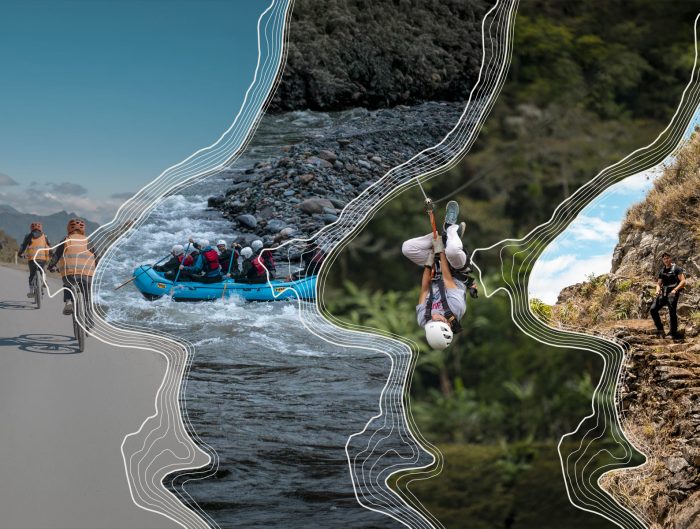
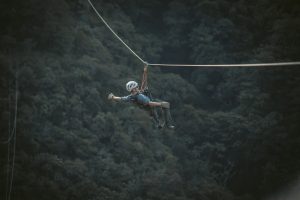
Before you even lace up your boots, there’s a buzz. Booking the Inca Jungle trek feels like saying yes to a dare you’re low-key proud of accepting. It’s not the most famous route. It’s not the safest-sounding one either. Mountain biking? Rafting? Ziplining? Jungle trails? Hot springs? Ruins you’ve never heard of? Sounds fun, right?
This is where the emotional journey starts: anticipation mixed with a touch of “what have I done?”
You’re not just booking a trek. You’re choosing adventure over comfort, stories over certainty, and a little chaos over a very sensible bus ride. That decision alone does something to you. It wakes up a version of yourself that’s been a bit too well hidden lately.
Day One Confidence
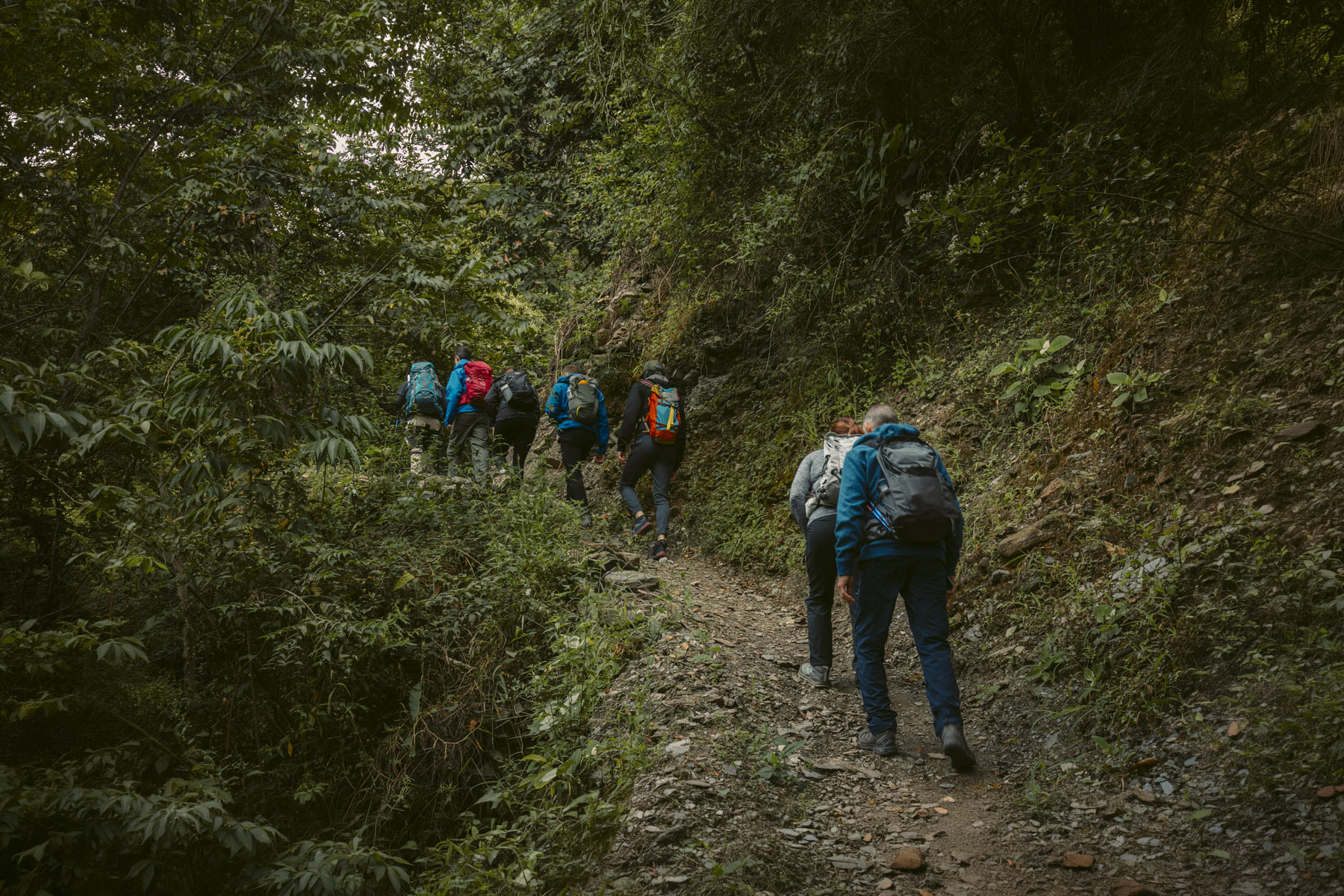
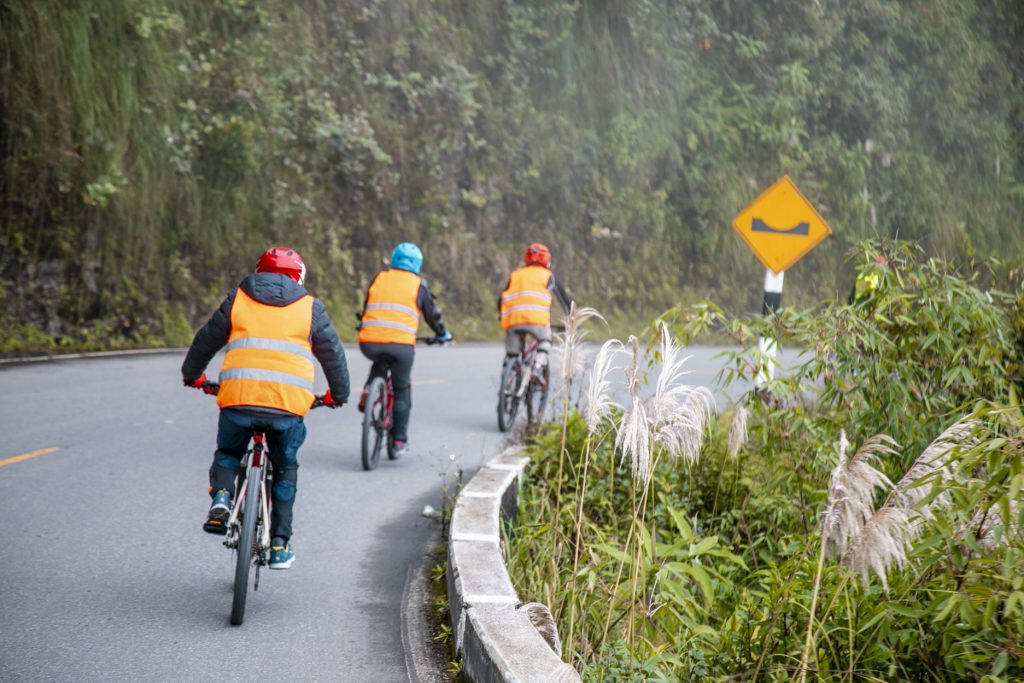
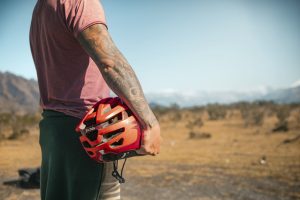
Day one gets off to an exciting start. Everyone’s feeling strong. The group is chatty. The mountain biking section hits, and suddenly you’re grinning like a kid who’s just been let loose at a theme park.
There’s wind in your face. Snowy peaks over there. Jungle below. Your brain is yelling “THIS IS AMAZING” louder than you realized it could.
Emotionally, this is the high. You feel capable. Brave. Slightly invincible. You start thinking things like “I could absolutely do this every weekend” and “why don’t more people live like this?”
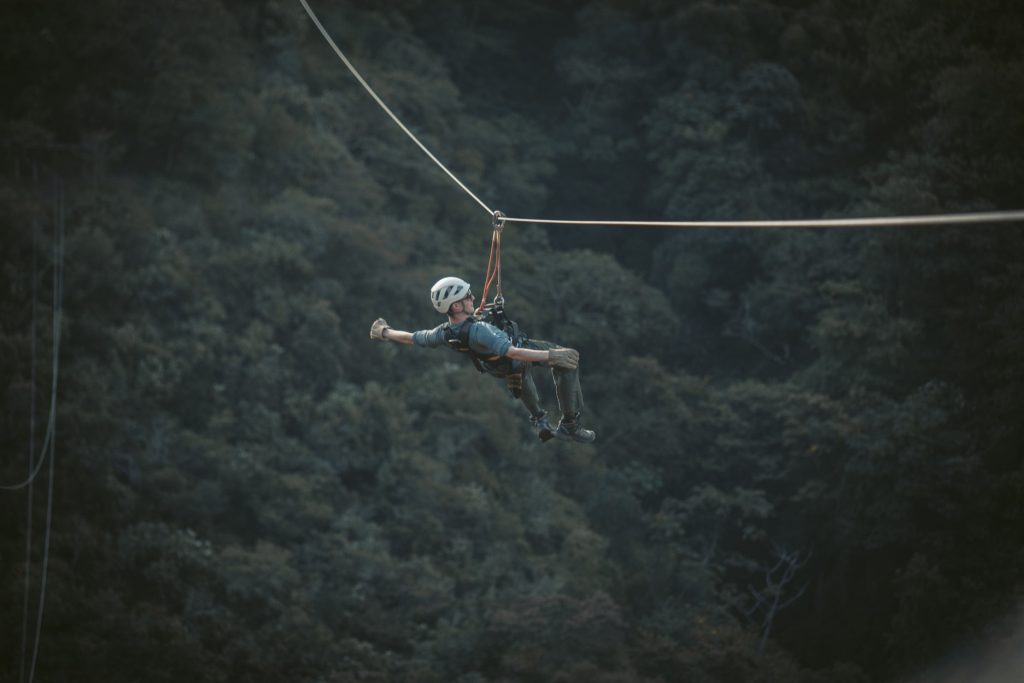
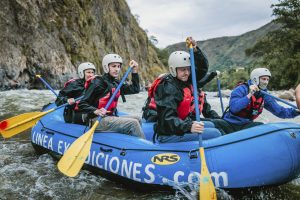
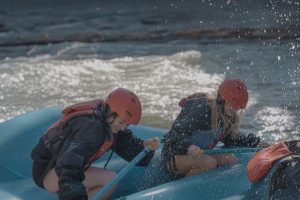
And as if you hadn’t had enough fun already, you’re thrown into category III river rapids, where you instantly bond and become best friends with people you only met that morning. All your guards are down, and it feels fantastic!
When The Jungle Gets Quiet And Your Brain Gets Loud
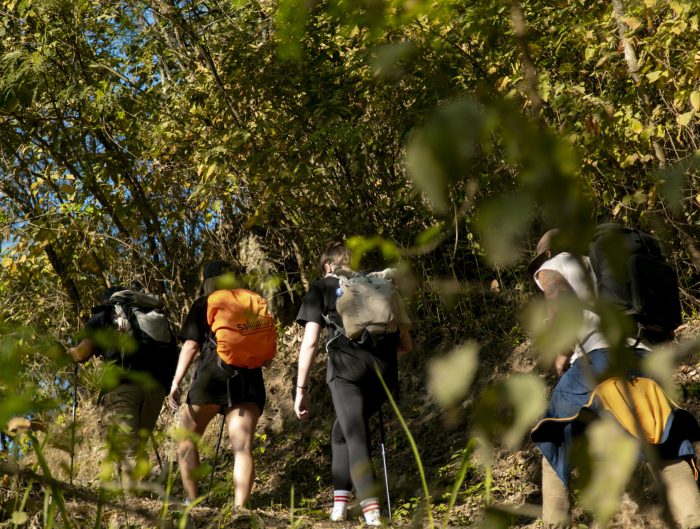
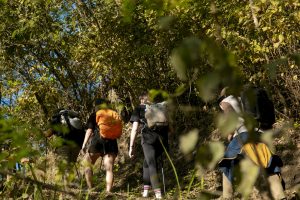
As the Inca Jungle trek moves from thrill to trekking, something inside changes. The noise drops away. The group spreads out. The jungle and its rhythmic soundtrack of birds, bugs, and leaves dripping with water take over.
And suddenly, it’s just you. Your breathing. Your footsteps. And whatever thoughts you’ve been avoiding back home.
This is where the emotional stuff gets real.
There’s something about walking for hours through lush green landscapes that pulls thoughts out of hiding. Big life questions. Old decisions. Future plans you’ve been pretending don’t exist. They all show up for the hike.
It’s not a thing, though. Not at all. It’s more like being honest with yourself. The jungle doesn’t judge. It just lets you think. And sometimes that’s exactly what you didn’t know you needed.
The Moment You Realize You’re Stronger Than You Thought
Now, somewhere on the trail, usually when your legs are negotiating a strike, you have a moment. You push on anyway. Step by step. No drama. No applause.
And that’s when it hits.
You’re doing it.
This is one of the quietest emotional highs of the Inca Jungle trek. No one is cheering. No one is filming and posting it for you. But you feel it deep down. You’re capable of more than you give yourself credit for.
That feeling has a funny way of following people home and sticking around for the long haul.
Group Dynamics, Unexpected Bonds, And Trail Therapy
You start the trek as strangers. Different backgrounds. Different reasons for being there. By day two or three, you’re sharing snacks, blisters, and emotional backstories like you’ve known each other for years.
There’s something about shared effort that speeds up that human connection. Laughing at the same falls. Encouraging each other up the same slopes. Celebrating with cold drinks like you’ve won Olympic medals.
Emotionally, this part sneaks up on you. You didn’t come for the group hug energy. But there it is. And you’re actually very grateful for it.
Hot Springs And Emotional Reset Buttons
Then there are the hot springs. And yes, they’re physically amazing. No doubt about that. But emotionally? They’re a reset button.
After days of varied movement and mental noise, sinking into warm water surrounded by mountains does something profound to a human nervous system. Shoulders drop. Breathing slows. Thoughts finally shut up.
People get quiet here. Reflective. It’s one of those moments where you feel properly present. Not rushing. Not planning. Just existing.
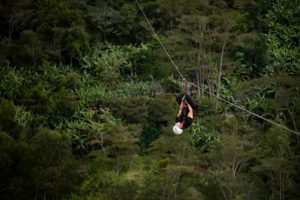
And that’s not bad for a trek that also includes downhill mountain biking, rafting, and ziplining, wouldn’t you agree?
Ruins, History, And Feeling Very Small (In A Good Way)
The Inca Jungle trail doesn’t just throw adrenaline activities and nature at you. It adds history. Real ancient history.
Standing in front of lesser-known Incan sites along the way has a strange emotional effect. You start thinking about time. About legacy. About how small your problems might be in the grand scheme of things.
It’s not overwhelming. It’s grounding.
You walk through places built centuries ago and realize that people have always been on journeys like this. Seeking meaning. Connection. Answers. Or at least a really good view to look at as they ponder.
The Build-Up To Machu Picchu Is Emotional Warfare
By the time Machu Picchu is on the horizon, you’re changed. Tired, yes. Dirty, absolutely. But also weirdly clear-headed.
The emotional build-up is real. You’ve worked for this. Not just physically, but mentally. You’ve had time to think. To laugh. To struggle. To reset.
So when you finally see it, it lands differently.
It’s not just a photo moment. It’s a full-body “we did this” moment.
Why People Leave The Inca Jungle Trek A Little Bit Different
The Inca Jungle trek has a way of shaking things you’ve got inside a bit loose. Old stress. Built-up noise. That constant feeling of being switched on.
People finish this trek feeling lighter. More confident. More open. Not because everything changed, but because something shifted slightly.
That’s why so many travelers choose routes like this one. And why the little details matter. The flow of the days. The balance of adventure and reflection. The way the experience is designed to let the emotional side have some fun, not just the physical one.
Traveling with a trusted tour operator means that all of this is taken care of. That way, you get to enjoy the experience fully without worrying about where your next meal will come from, where you’ll sleep that night, or what the meaning of an ancient Incan site really is. And that’s a load off anyone’s mind.
Who This Trek Is Really For
This trek isn’t for people who want to stay comfortable and enjoy the same activity day in, day out. It’s for people who want to feel something.
If you like adventure with a side of self-discovery. If you want a trek that’s mentally rewarding as well as physically fun. If you’re open to laughing, reflecting, and possibly having a minor emotional breakthrough somewhere in the Peruvian jungle.
Then the Inca Jungle trek makes a lot of sense.
The Part Nobody Tells You Before You Book
You’ll finish the trek and start recommending it to people who didn’t ask.
You’ll catch yourself saying things like “it changed me a bit” without fully knowing how to explain it.
And you’ll probably start looking for your next big adventure sooner than planned.
That’s the emotional journey behind the Inca Jungle trek. Wild. Funny. A little messy. Deeper than expected. And absolutely worth saying yes to.
So, if you’re ready to free your mind and hop on the emotional jungle rollercoaster, book a flight to Peru and strap on your boots. We’ll see you on the trail.


Leave A Reply