
Everyone thinks they know coffee.
It’s the thing that gets mornings started, fuels road trips, and somehow tastes better on vacation. But on the Inca Jungle trek, coffee stops being something you simply stop for and suddenly steals the show.
Because this isn’t café coffee. This is coffee growing on steep jungle hillsides, drying in the sun, roasted by hand, and poured by the people who actually grew it. And experiencing that, right in the middle of a multi-day adventure, is one of the most unexpectedly incredible parts of the trek.
Come for the jungle trails and adrenaline. Stay for the coffee education you didn’t know you wanted. Let’s take a closer look at this trip highlight.
Table of Contents
Why The Inca Jungle Route Is Prime Coffee Country
The Inca Jungle trail runs through a sweet spot for coffee growing. Warm days. Cool nights. Lush valleys. Slopes that drain well. Basically, conditions coffee plants absolutely love.
This part of Peru produces high-quality Arabica beans, grown at elevations that give the coffee a smoother, slightly sweet profile without the bitterness people usually associate with strong brews. And because many farms here are small and family-run, everything is done on a human scale.
No massive machines. No conveyor belts. Just hands, experience, and a lot of patience.
Seeing where coffee actually comes from makes it obvious why it tastes different out here. The environment does half the work.
What “Coffee At Origin” Actually Means On The Trek
Visiting a local coffee farm on the Inca Jungle trek isn’t a rushed stop with a scripted speech. It’s hands-on, casual, and surprisingly fun.
Travelers walk through the coffee plants themselves, learning how long they take to grow, when they’re harvested, and how only the ripest cherries are picked. There’s something oddly satisfying about realizing that each cup of coffee represents months of work and careful timing.
From there, the process unfolds step by step. The cherries are pulped. The beans are fermented. They’re washed, dried, and roasted. Then, finally, ground and brewed
And yes, tasting happens at the end. We shouldn’t forget that very important detail.
Drinking coffee you’ve just watched being made, surrounded by jungle views, hits differently than sipping at your local cafe. It’s fresher, smoother, and somehow feels earned.
The Moment Coffee Becomes The Star Of The Day
There’s a specific moment most people remember.
You’ve already been walking. The air is warm. The jungle is loud in that quiet, buzzing way. Then you sit down with a simple cup of coffee made from beans grown a few meters away.
No fancy milk art. No syrups. Just coffee.
And suddenly everyone’s talking about how good it is.
It’s one of those shared travel moments where the group slows down, laughs a bit, and realizes this is one of the reasons why the Inca Jungle trek feels different from other routes. It’s not just about getting somewhere. It’s about everything that happens along the way.
Learning Without Feeling Like You’re In A Lesson
One of the best things about visiting coffee farms on the Inca Jungle trek is how easy it feels. Nobody’s testing you. Nobody’s throwing complicated terminology around.
You learn by watching. By tasting. By asking questions naturally, because now you’re genuinely curious.
How long does a coffee plant live? Why are some beans better than others? What happens if the weather changes?
The answers come with stories, not lectures. And that makes them stick with you long after you’re back home.
It’s the kind of learning that sneaks up on you. You don’t realize how much you’ve absorbed until you’re later explaining coffee processing to someone else with way too much confidence.
A Break From The Usual Trek Rhythm
Multi-day treks are amazing, but they can fall into a rhythm. Walk. Eat. Walk. Sleep. Repeat.
The coffee farm visit breaks that pattern in the best possible way (along with all the other fun activities the Inca Jungle offers).
It’s interactive. It’s relaxed. You’re still very much in the jungle, but in a completely different mode. And mentally, it feels like a reset before heading back onto the trail.
That balance is part of what makes the Inca Jungle trek so appealing. It blends adventure with culture and movement with moments of stillness.
And yes, caffeine helps too.
Supporting Local Families
Coffee farming here isn’t a side activity. It’s a livelihood passed down through generations.
By visiting local farms as part of the trek, travelers are directly supporting families who live and work along the route. But it never feels like a sales pitch or a guilt trip. It’s just how the trek naturally works.
You show up. They show you what they do. You share coffee. Life goes on.
That authenticity is rare, and it’s one of the reasons the experience sticks with people long after the trek ends.
Why This Experience Beats Another Viewpoint Stop
The Inca Jungle trek already delivers views. Mountains, rivers, jungle valleys, cloud forests. There’s certainly no shortage there.
What the coffee farm visit adds is depth.
It gives context to the landscape you’re moving through. Suddenly, the greenery isn’t just scenery. It’s productive. It’s personal. It’s part of someone’s everyday life.
That connection makes the trek feel richer, more grounded, and more human.
Coffee Tastes Better When You Know The Story
There’s a good chance that after this trek, your coffee-drinking habits change.
Maybe it’s reading labels more closely. Maybe it’s appreciating simpler brews. Maybe it’s just remembering that behind every cup is a place like this, with steep hills, muddy paths, and people who really know their craft.
Either way, the experience lingers.
And that’s why visiting local coffee farms isn’t just a nice little extra on the Inca Jungle trek. It’s one of those moments that quietly becomes a favorite, long after the photos fade and the legs recover.
If the idea of hiking through jungle landscapes, learning how coffee is grown from plant to cup, and experiencing Peru beyond the obvious highlights sounds appealing, this trek delivers it naturally. No overproduced moments. Just good walking, good people, and genuinely great coffee, right where it all begins.
Frequently Asked Questions
What is the Inca Jungle Trek and how does coffee fit into it?
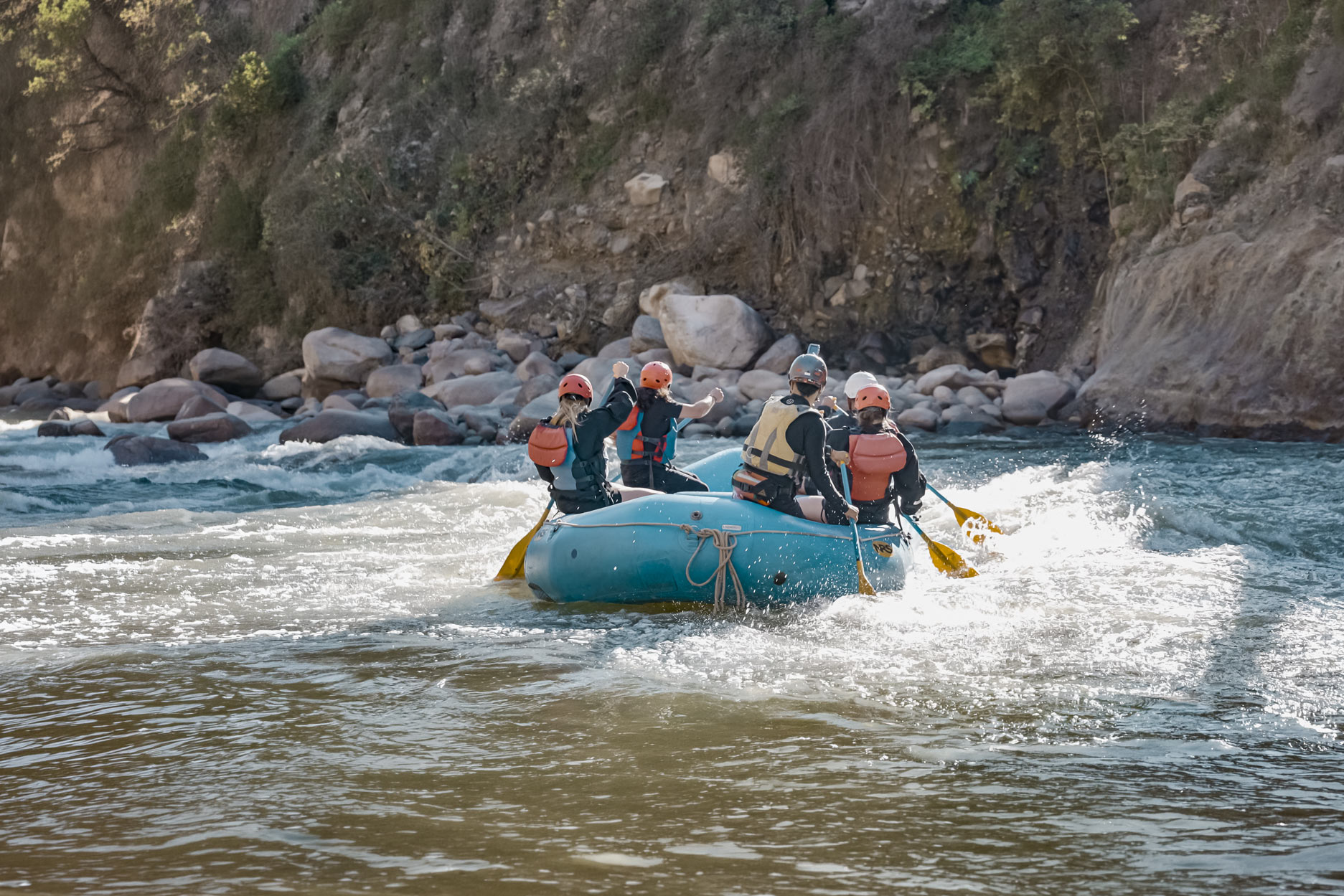
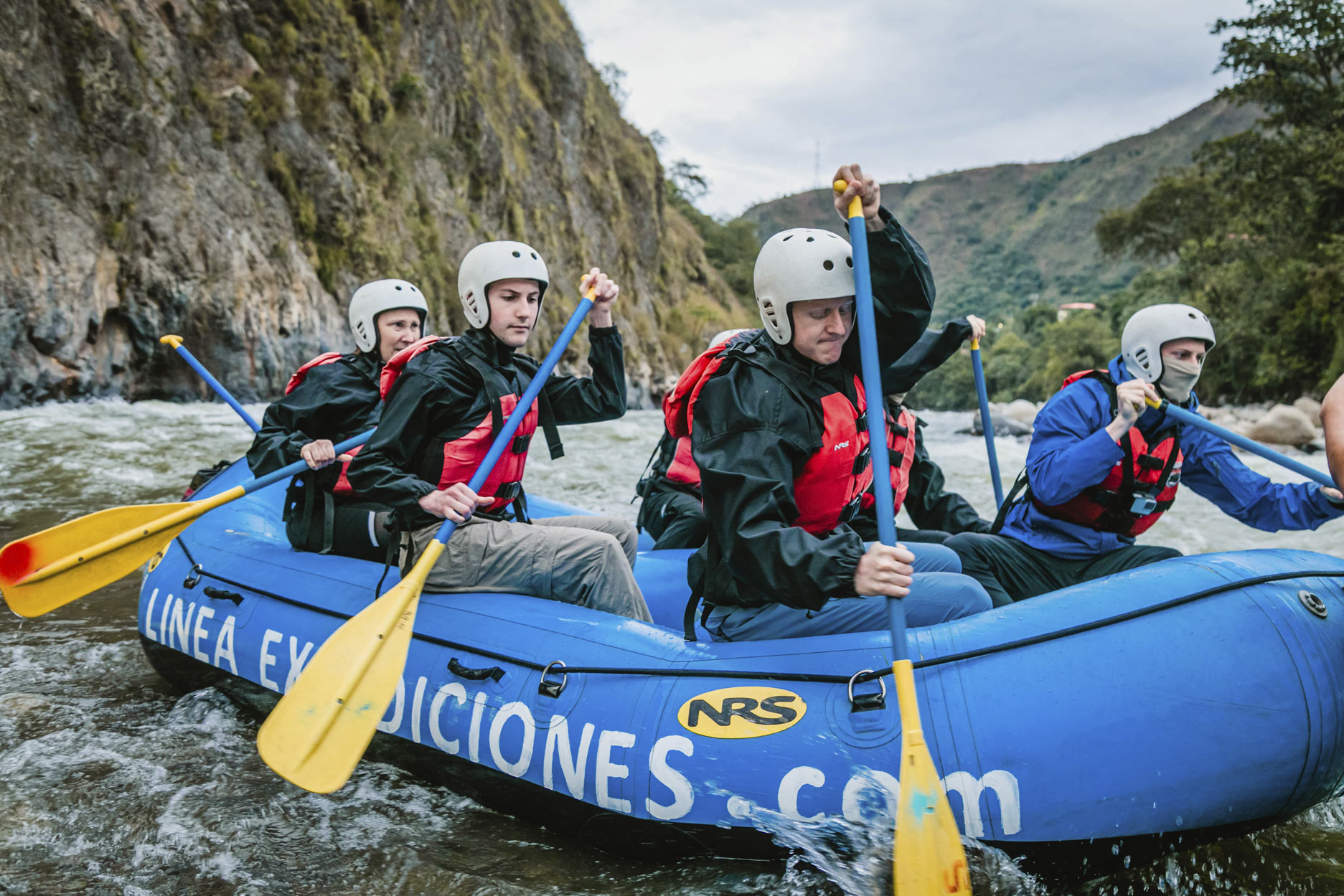
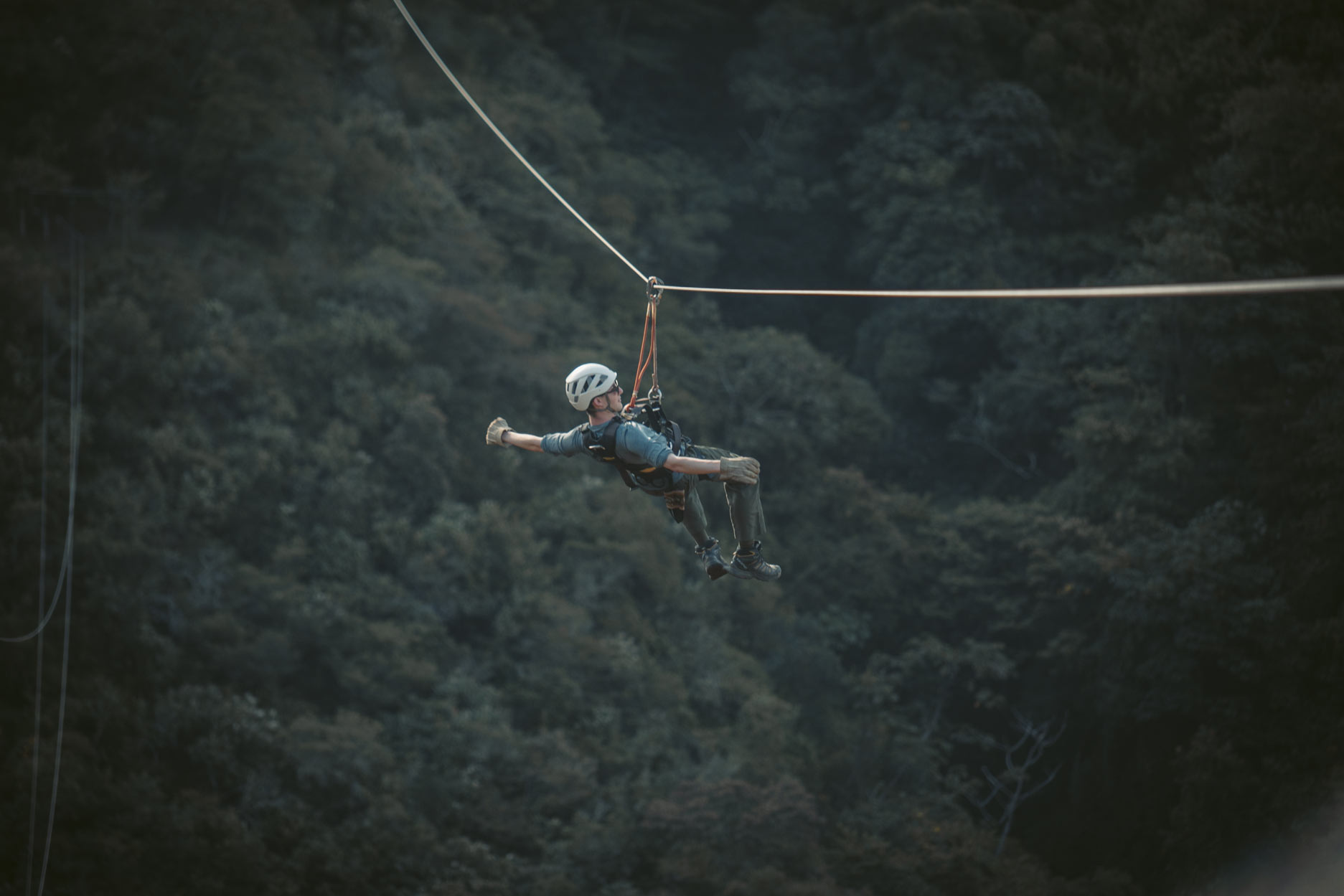
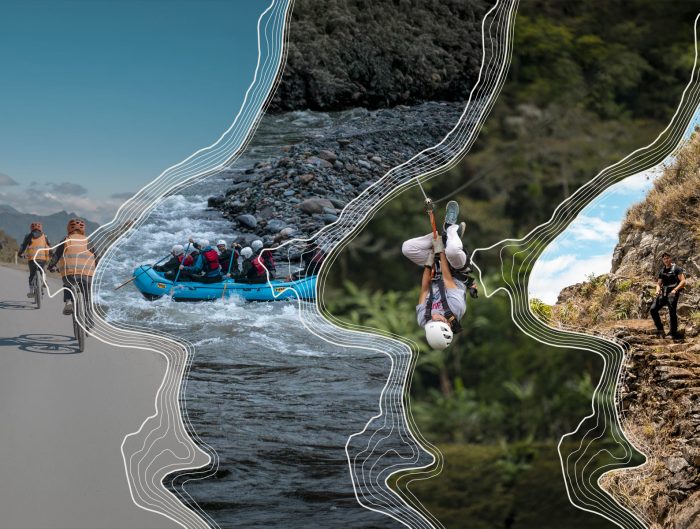
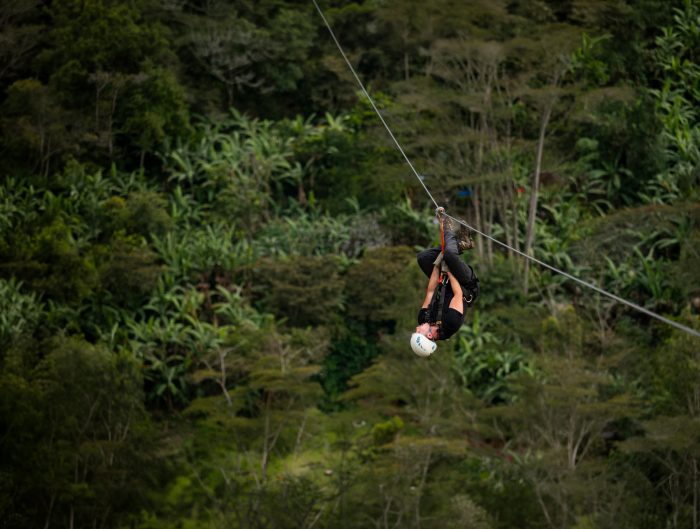
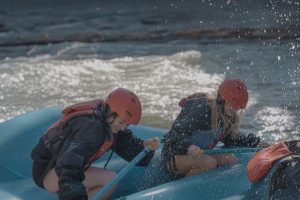
The Inca Jungle Trek is an action-packed, multi-activity alternative route to Machu Picchu that combines mountain biking, rafting, zip-lining, and hiking. Unlike the high-altitude classic Inca Trail, this route passes through the lush, high-jungle region of Cusco (Santa Maria and Santa Teresa), which is world-renowned for producing premium, organic Arabica coffee.
Why is visiting a local coffee farm a highlight of the Inca Jungle Trek?
Visiting a local farm bridges the gap between adventure and cultural immersion. It offers travelers a firsthand look at the daily lives of local farmers and the complex, traditional process of coffee production. For many hikers, stepping off the trail to roast beans over an open fire with a local family is the most authentic and memorable connection they make during the trip.
What can I expect during a coffee farm tour on the trek?
You will walk through the plantation to see coffee cherries at various stages of growth, harvest them by hand, and learn about the pulping and drying processes. The highlight is the interactive workshop where you will roast raw beans in a clay pot over a wood fire, grind them manually, and brew your own fresh cup of organic Peruvian coffee.
What type of coffee beans are grown along the Inca Jungle Trek route?
The region produces high-altitude Arabica coffee beans, specifically varieties like Typica, Bourbon, and Caturra. Grown under shade at altitudes between 1,200 and 1,800 meters, these beans develop slowly, resulting in a smooth, bright cup of coffee with distinct chocolatey, nutty, and citrusy tasting notes.
Can I buy coffee directly from the local farmers on the trail?
Yes, and it is highly encouraged! Buying freshly roasted coffee directly from the families on the Inca Jungle Trek ensures that 100% of the profit stays within the local community. It is a fantastic way to practice sustainable tourism while taking home a truly authentic, high-quality souvenir.
How difficult is the jungle hiking portion of the trek to reach the farms?
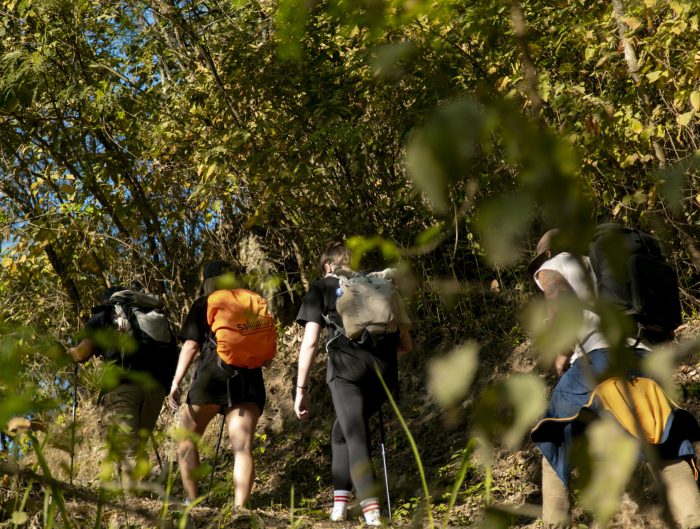
The jungle hiking portions are considered moderate. Unlike the brutal stone staircases of the classic Inca Trail, the paths here are gentler and flatter, winding through lush vegetation and fruit orchards. The main challenges are the humid tropical climate, bugs, and occasional muddy paths, rather than extreme high-altitude steepness.
Is the coffee farm visit included in all Inca Jungle Trek itineraries?
Most standard 4-day and 3-night Inca Jungle Trek itineraries naturally include a stop at a local farm on Day 2 or Day 3 as you hike between Santa Maria and Santa Teresa. However, you should always double-check with your tour operator’s itinerary to ensure the local coffee experience is explicitly listed.
What is the best time of year to see the coffee harvest on the trek?
The peak coffee harvesting season in the Cusco jungle runs from May to September, which perfectly aligns with the dry season (the best time to visit Machu Picchu). Hiking during these months means you will see the farms at their most active, with vibrant red coffee cherries ready to be picked.
What else do these local farms grow besides coffee?
Due to the fertile tropical climate, these farms are biodiversity hotspots. Alongside coffee, you will encounter vast plantations of cacao (chocolate), coca leaves, avocados, mangos, passion fruit, and multiple varieties of bananas. Most tours include tasting these fresh fruits straight from the trees.
What should I pack specifically for the jungle and coffee farm sections?
The high-jungle environment requires different gear than the cold mountains. Be sure to pack a potent insect repellent (to protect against biting midges), lightweight and breathable long-sleeve shirts/pants to shield your skin, a sun hat, sunscreen, cash in small denominations (Soles) to buy coffee, and a reusable water bottle.
Related Articles

Leave A Reply