
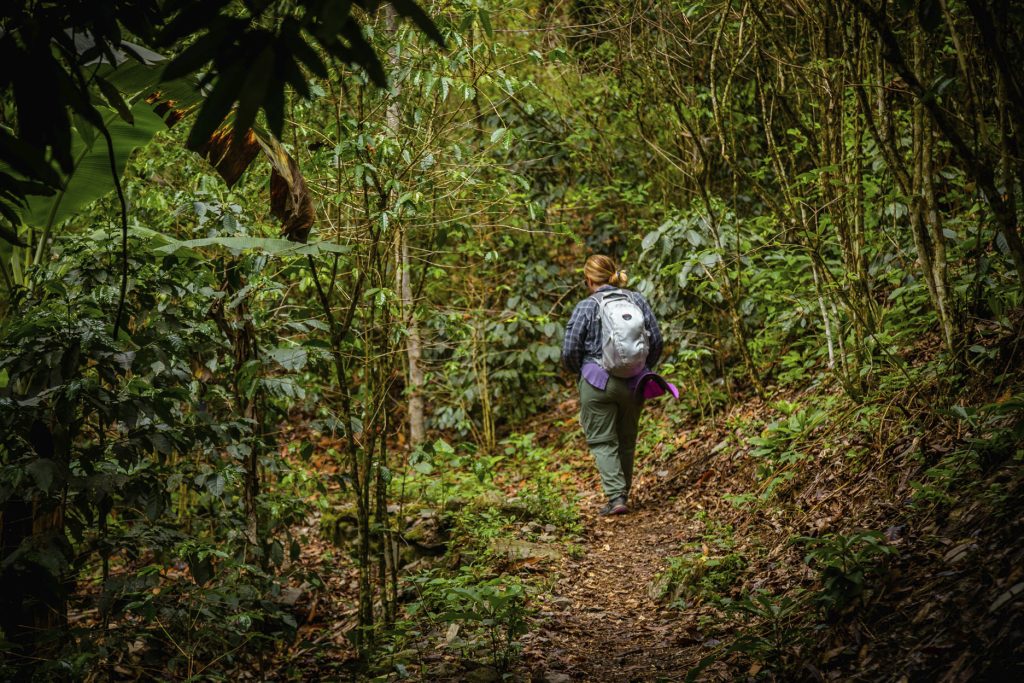
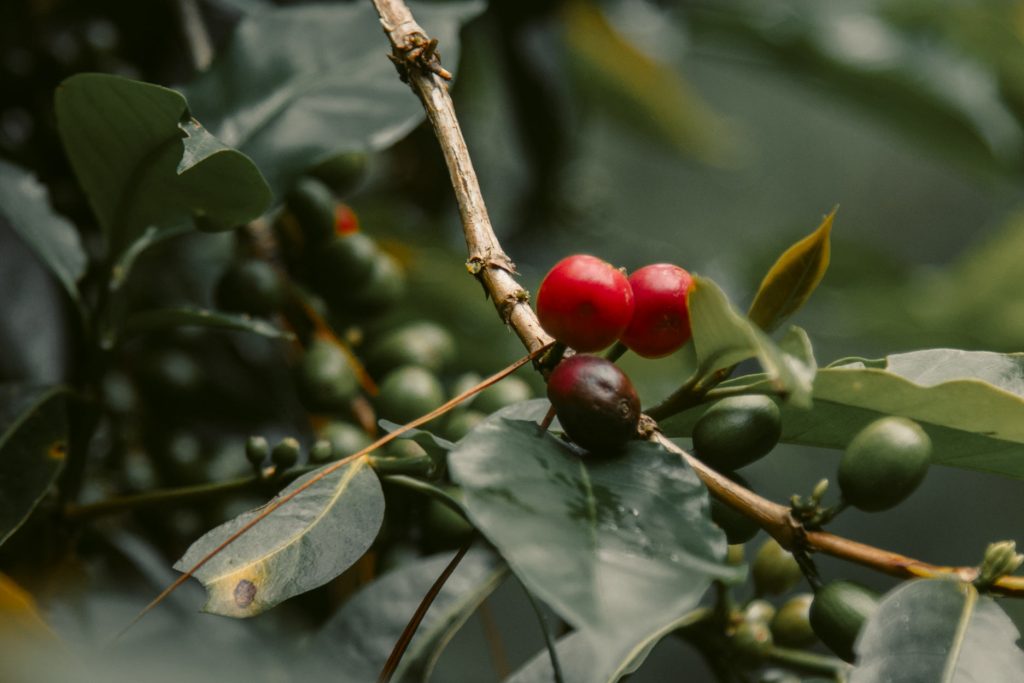
The Inca Jungle Trek doesn’t wait around to show you what it’s made of. One minute you’re winding your way down from the Andes on a bike; the next you’re surrounded by green that feels almost aggressive in its enthusiasm. Plants everywhere. Warm air. Coffee growing by the side of the trail like it’s no big deal.
Then you hit the Inca Jungle Trek communities, and that’s when the route really gets interesting.
Because this is the point where the journey stops being just about landscapes and adventure and starts being about people. Below is what makes this part of the trek so special to travelers.
Table of Contents
This Is Where The Andes Start To Feel Different
The high jungle sits right between two worlds. You’ve left the cold dryness of the high mountains behind, but you’re not quite in full Amazon mode either. It’s warmer, wetter, louder, and very much alive.
For travelers, this change feels almost instant. The air changes. The pace changes. Even the way people move feels different. Life here grows fast, and you can feel it in everything from the food to the conversations to the way villages spread out into the surrounding hills.
It’s less “postcard Peru” and more real, lived-in Peru.
These Aren’t Tourist Villages; They’re Just Villages
One of the reasons travelers love the high jungle so much is because nothing feels staged (which it can do at other sites and places). These communities weren’t built for trekking routes. The trekking route simply happens to pass through them.
People are farming, cooking, fixing things, heading to work, chasing kids, walking dogs, and hauling produce. You’re not watching a performance here. You’re just passing through daily life, and you get the chance to observe it up close.
That honesty and realness is refreshing. It takes the pressure off. You’re not expected to clap, buy something, or nod politely. You’re just there, walking through, learning as you go.
Coffee Here Isn’t A Publicity Stunt, It’s Survival
Yes, travelers talk about the coffee a lot. And yes, it’s good. But what makes it special isn’t the flavor notes or the brewing method. It’s the fact that coffee here is a way of life.
This is how families earn a living. These plants matter.
On the Inca Jungle Trek, travelers often see coffee growing right outside people’s homes. Beans drying in the sun. Roasting done in small batches, sometimes just steps away from where you’re standing.
When someone offers you a cup, it doesn’t feel like a “tour experience.” It feels like someone saying, “This is what we do here.”
And honestly, that makes it taste better.
People Actually Talk To Each Other Here
High jungle communities tend to surprise travelers in a specific way: people are very open. Not in a scripted, customer-service way. Just… open.
Greetings turn into conversations. Conversations turn into questions. Questions turn into shared laughs, even if no one’s entirely sure what the other person just said.
There’s a sense that time isn’t overly protected. People stop. They talk. They explain things. They ask where you’re from and seem genuinely interested in the answer. You might be fooled into thinking they have all the time in the world because they’re so friendly.
For travelers used to rushing from highlight to highlight, this can feel pretty powerful.
The Inca Jungle Trek Drops You Straight Into Real Life
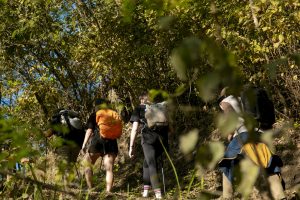
Unlike more traditional trekking routes, the Inca Jungle doesn’t separate nature from culture. You don’t hike all day and then magically appear in a civilization bubble at night.
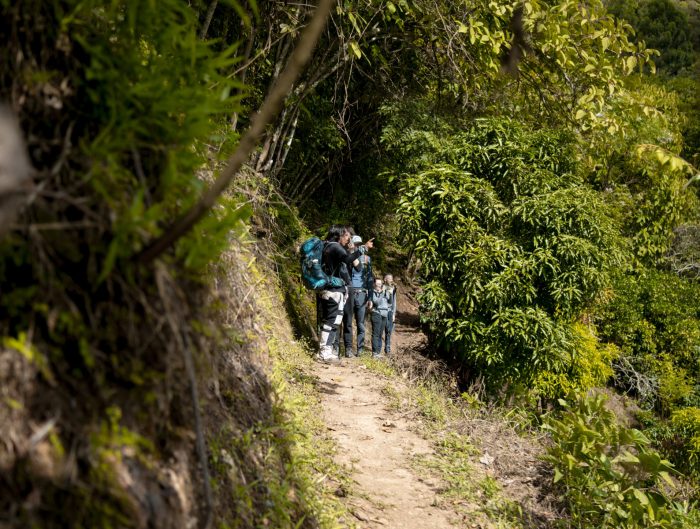
You walk through farms. You pass homes. You move alongside people who live here year-round. You see how the landscape shapes daily routines and how communities adapt to the weather, the terrain, and the crops that actually grow here.
That constant overlap makes the trek feel deeper and more meaningful. You’re not just moving through space. You’re moving through stories.
Food Is Simple, Fresh, And Very Hard To Complain About
High jungle food doesn’t try to be fancy. It doesn’t need to.
Ingredients are local. Portions are generous. Flavors are comforting in the way food is when it’s made for people who’ve been working all day.
For travelers, meals become another way to understand the region and those at its heart. You start to notice what grows easily here, what’s eaten often, and how the climate dictates what ends up on the plate.
Also, after hours on the trail, a plate of home-cooked food that’s been prepared with love tastes incredible. That’s just science.
Nature Is A Part Of The Community, Not A Backdrop
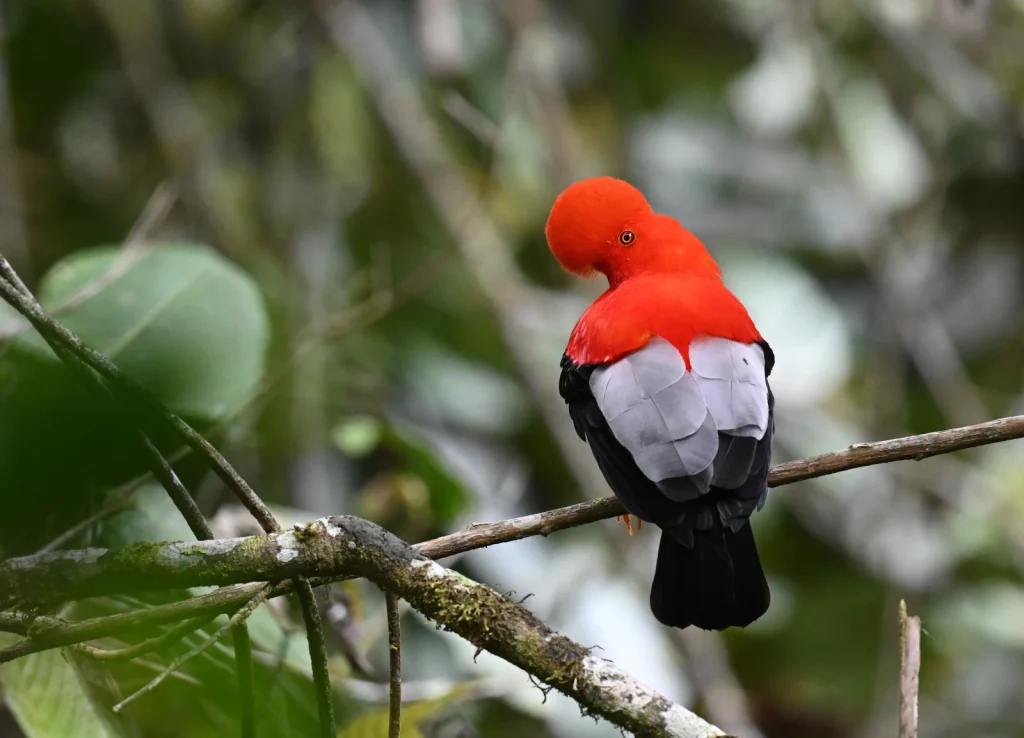
In the high jungle, people don’t treat nature like something separate from daily life. Farms blend into forests. Paths double as work routes. Crops are chosen based on what you can actually grow there, not what looks good in photos.
Travelers pick up on this quickly, especially when guides explain why certain areas are left to grow wild or how weather patterns affect harvests.
It adds depth to the experience. The jungle stops being something you’re walking through and becomes something people are actively living with. When you start to see that, the trek takes on a whole new level of meaning.
Why Travelers Remember Faces, Not Just Views
Yes, the scenery on the Inca Jungle Trek is impressive. But when travelers talk about it afterward, they often talk about the people.
The farmer who explained his crops with quiet pride. The family who waved every time hikers passed by. The unexpected conversations that had a bigger impact than any viewpoint.
These moments aren’t planned. They just happen. And that’s why they last.
Choosing The Right Tour Operator Makes All The Difference
Because these are real communities, the way travelers experience them matters. The difference between a rushed, surface-level visit and a genuinely meaningful one often comes down to who’s guiding the journey.
Tour operators that respect local communities, work closely with them, and understand the region tend to create experiences that feel natural rather than forced. Travelers feel that immediately in the pace, the interactions, and the overall atmosphere.
When it’s done right, everyone benefits.
The High Jungle Isn’t A Bonus, It’s The Whole Point
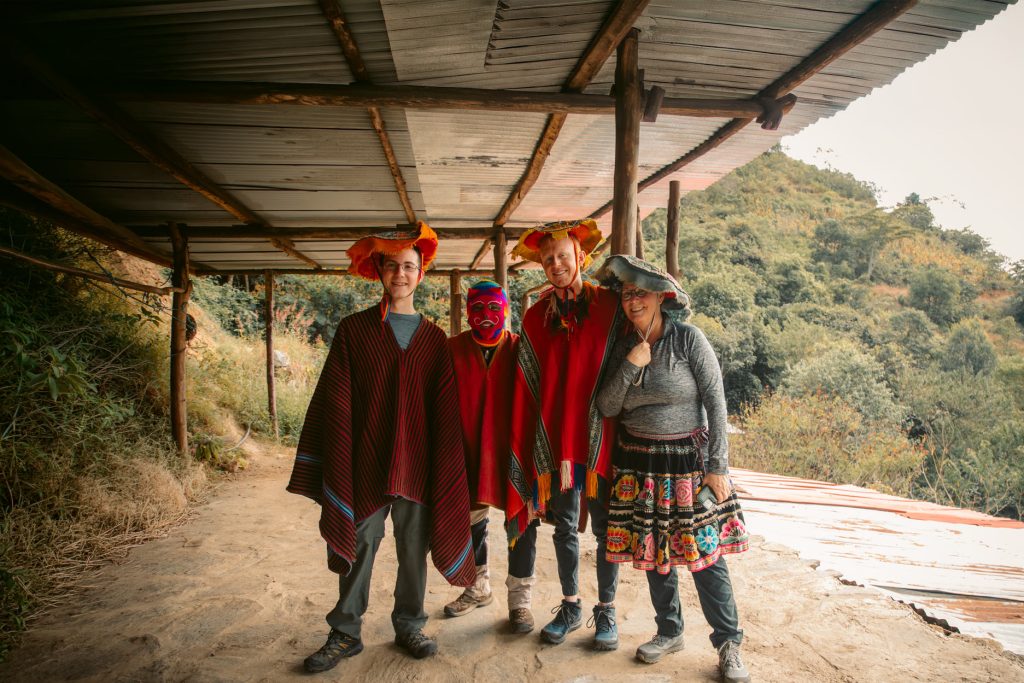
A quick visit to the high jungle communities isn’t something you just squeeze in between activities. Walking through the villages is one of the main reasons the Inca Jungle Trek feels so alive.
The people bring warmth to the route, depth to the experience, and a sense that you’re part of something real, even if only for a few days.
For travelers who want more than just famous sites, who want connection, culture, and a trek that feels human, the high jungle delivers confidently and without trying too hard.
And once you’ve walked through it, talked with the people, and shared space along the trail, it’s hard to imagine the journey any other way.

You might also like
Leave A Reply