
The Inca Jungle trek isn’t just a route to Machu Picchu. It’s an adventurous, sweaty, and wildly rewarding journey through one of the most fertile regions in Peru. Somewhere between the high Andean passes and the thick jungle valleys, the landscape stops being dramatic and starts being delicious.
This is the coffee, cacao, and banana belt, and it’s a stretch of warm, green terrain where crops don’t just grow, they thrive. It’s the edible core of the Inca Jungle trek and one of the biggest reasons this route feels so alive. You don’t just walk through it. You taste it.
If you’re the kind of traveler who believes food plays a huge role in culture, this section of the trek will surely steal the show. Join us to take a closer look.
Table of Contents
The Moment The Jungle Takes Over
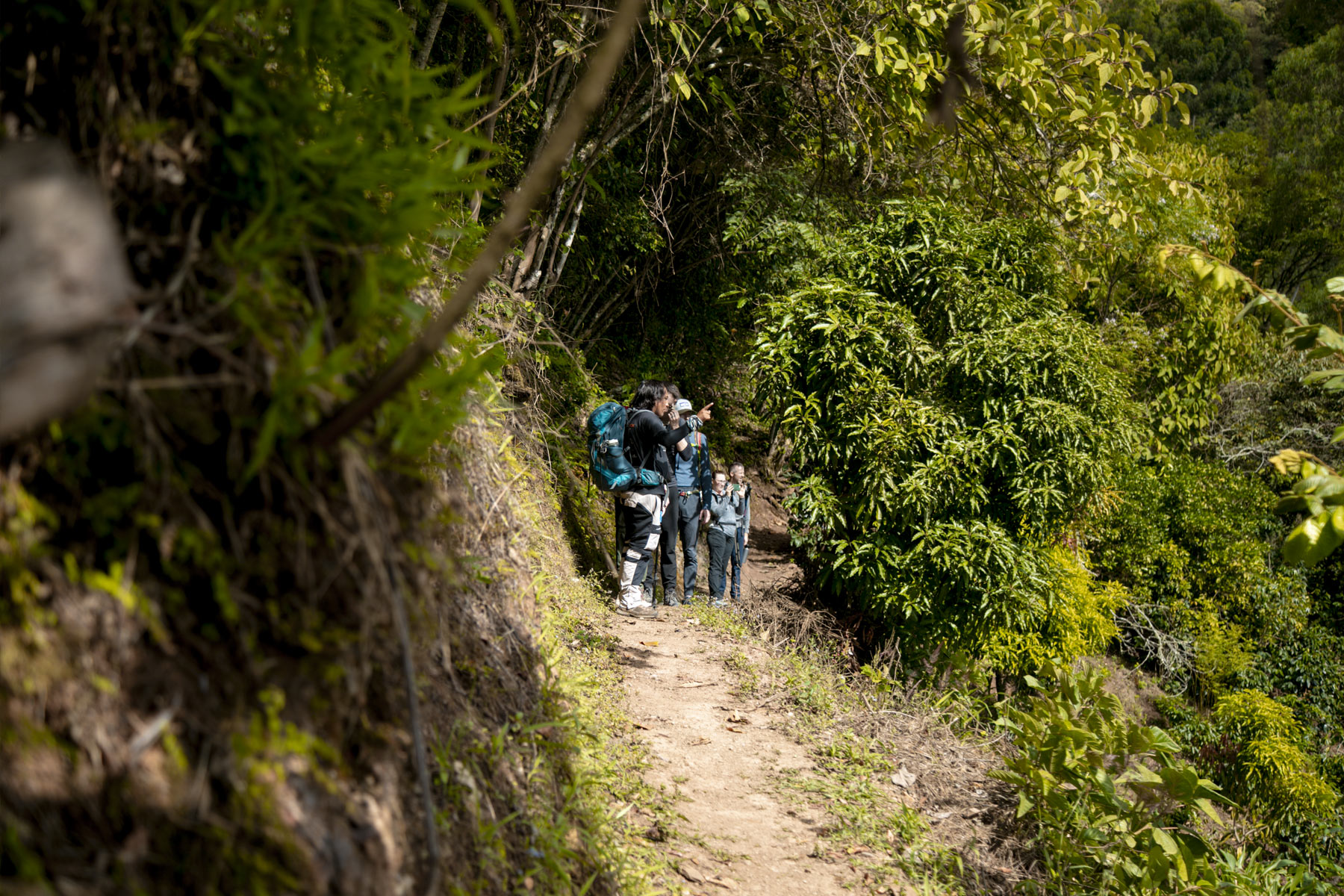
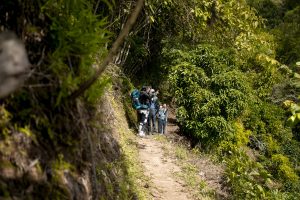
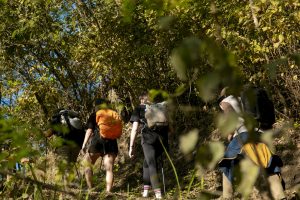
One of the best things about the Inca Jungle trek is how clearly you feel the change in environment. You start high, where the air is thin and the scenery is all steep edges and distant peaks. Then, as you start moving, the trail drops. The air gets warmer. The ground gets softer. Plants stop considering your personal space and start growing everywhere.
This is where the culinary heart of the trek kicks in.
These slopes in the Andes create a perfect storm for agriculture. Warm days, frequent rain, rich soil, and generations of local knowledge combine to produce coffee, cacao, bananas, and a long list of other delights that never make it onto postcards but absolutely make it onto your plate.
Coffee That Knows It Tastes Good
Coffee along the Inca Jungle isn’t a brand made up for tourists. It’s a daily ritual.
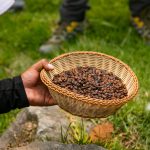
Small family-run farms grow coffee on steep hillsides, often shaded by taller plants to protect the beans from direct sun. The result is coffee with real personality. Think smooth, slightly sweet, and nowhere near as bitter as the stuff you’re used to powering through back home.
On the trail, coffee stops aren’t rushed. It’s grown, harvested, dried, and roasted locally, often within walking distance of where you drink it. There’s something grounding about sipping a cup while standing where the beans were grown, especially when the person serving it can point to the hillside and say, “That’s it. Right there.”
It’s not about caffeine hits. It’s about connection with the people who make it and the place where it’s grown.
Cacao: Raw, Rustic, And Completely Addictive
Cacao doesn’t make itself known quite the way coffee does. It hides a little. But once you notice it, you start seeing cacao trees everywhere.
This is chocolate before it becomes chocolate. The pods grow straight out of the trunk and get cracked open by hand to reveal sticky white pulp and raw beans inside. The process is simple and slow, and that’s the point.
On the Inca Jungle route, cacao is still treated as food first, indulgence second. Locals roast the beans, grind them, and turn them into thick drinks or rustic chocolate that tastes deep, earthy, and faintly bitter but in a delicious way. Many locals add cinnamon, cloves, milk and some sweetness to taste.
It’s not sugary. It’s not polished. It’s honest. And once you’ve tried cacao like this, the supermarket aisle version feels like it’s missing the plot, and by a lot.
Bananas Everywhere, All The Time
Bananas are the unsung heroes of the Inca Jungle trek. They’re everywhere, they’re dependable, and they show up exactly when you need them.
Different varieties grow side by side, and you’ll find them small and sweet, long and starchy, all perfect for snacking or cooking. Fried bananas, boiled bananas, mashed bananas. If there’s a way to prepare them, someone here has already figured it out. And yep, they certainly do pop green, unripe bananas into soup with ingredients like chicken, and it’s really tasty.
On the trail, bananas are fuel. They’re what keeps energy levels up when the humidity climbs and the miles start stacking. They’re simple, reliable, and oddly comforting when you’re deep in the jungle and everything else feels unfamiliar.
Meals That Match The Landscape
Food on the Inca Jungle trek isn’t fancy, but it’s thoughtful. And delicious. Meals are built around what grows nearby, which means they change as the environment changes.
Expect rice, potatoes, fresh vegetables, tropical fruits, and plenty of sauces and salsas made from scratch. Nothing feels forced or overcomplicated. The food does its job. It fills you up, keeps you moving, and reflects where you are.
And that’s the magic. Eating like this makes the trek feel complete. The terrain, the climate, and the food all make sense together.
Why This Matters More Than You Think
Plenty of treks get you from point A to point B. Fewer help you understand the place you’re walking through.
The coffee, cacao, and banana belt isn’t just a fun talking point. It’s the reason the Inca Jungle feels so human. You’re not passing through empty scenery. You’re moving through working land, where people live, farm, cook, and pass down knowledge the same way they always have.
That connection shows up in the food, the conversations, and the pace of life along the trail.
A Trek That Feeds You In More Ways Than One
The Inca Jungle trek rewards curiosity. If you’re willing to ask questions, taste unfamiliar things, and slow down just enough to notice what’s growing around you, the experience gets richer, and fast.
Understanding the culinary heart of the route adds depth to every step. It turns a hike into a story, and a destination into something earned rather than rushed.
And if you’re choosing how to experience this region, it’s worth doing it with people who actually know it well, like the land, the food, and the rhythm of life along the trail. That kind of insight doesn’t come from shortcuts. It comes from walking the long way, eating well, and letting the jungle do what it does best.
Related articles


You might also like



Leave A Reply