
There’s trekking. And then there’s real trekking. The kind that punches you in the lungs at altitude, drops you through jungle tunnels of green, and then just when you think you’ve earned a nap, rewards you with hot springs and waterfalls you half-expect to find only in fantasy novels.
If you’re trekking the Inca Jungle route on your way to Machu Picchu, there are so many highlights that it’s hard to pick a favorite. But today, we want to talk about one place that tends to etch itself in trekkers’ memories pretty firmly. That place is Santa Teresa.
And no wonder. This little jungle haven isn’t just any old stop along the way. It’s the kind of place that turns tough hikes into something from a dream. Trust us, when you’re biking, rafting, zip-lining, and hiking miles from snowy peaks into steamy jungle, Santa Teresa feels like hitting the world’s coziest reset button.
Table of Contents
From High Stakes To Jungle Vibes
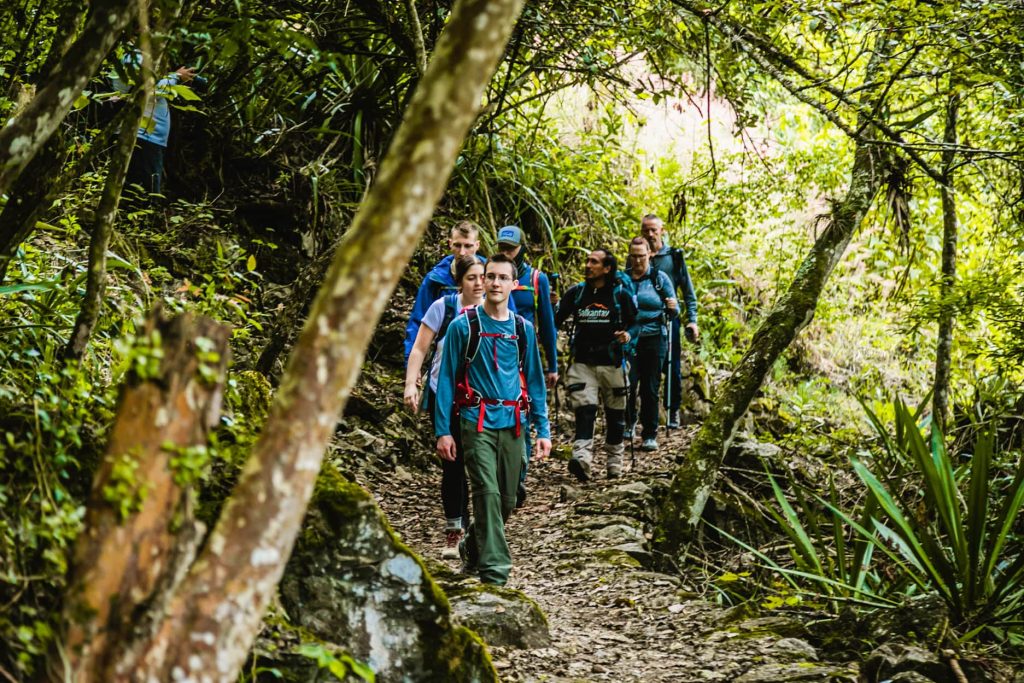
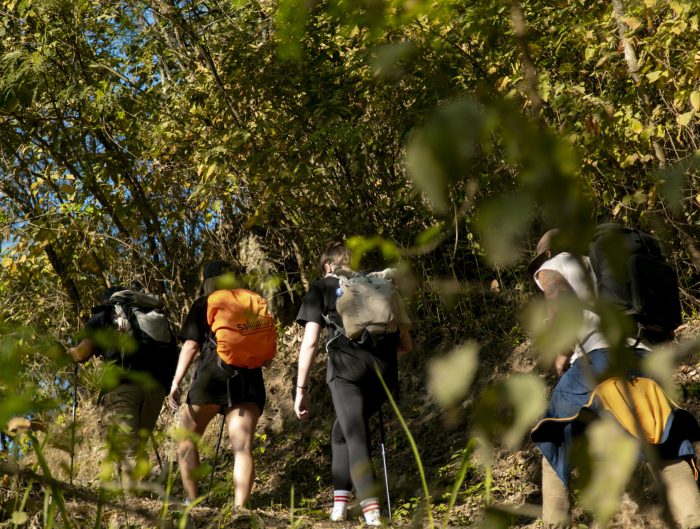
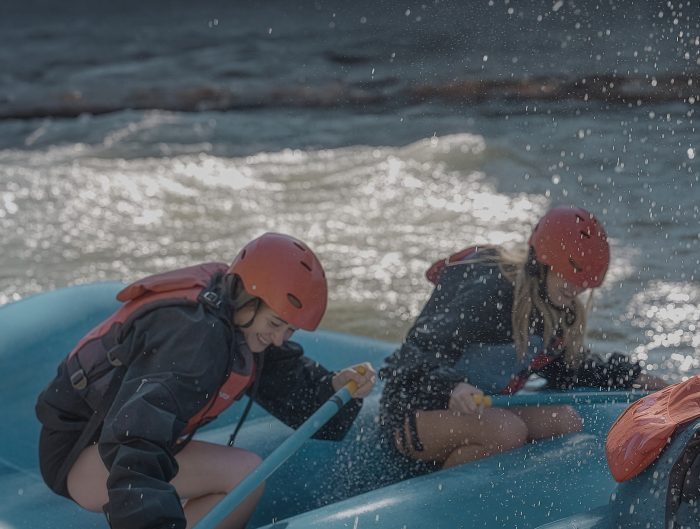
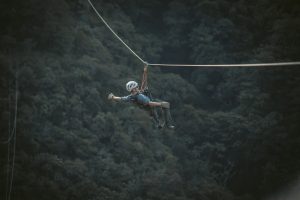
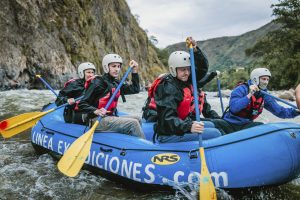
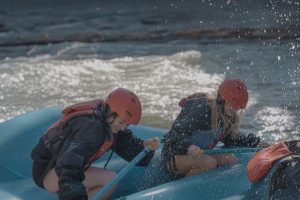
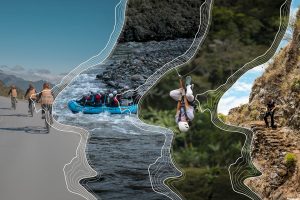
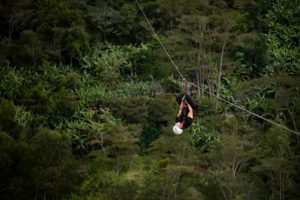
The Inca Jungle trek is already a mood swing of landscapes. You kick off high in the Andes, descend from cold passes, hurtle downhill on bikes, splish-splash through river rapids, and zipline through a canopy that looks like it belongs in a movie.
Then suddenly, boom. You arrive in Santa Teresa, tucked below the cloud forest, in the high jungle, surrounded by waterfalls, coffee plantations, and tropical plants that would make a botanist weep with joy. After breathing thin mountain air for days, this warm and wet climate feels totally luxurious.
It’s also way more than a pit stop (though those hot springs by the river give you all the justification you need to linger). Santa Teresa is a living, breathing piece of the journey and has an unforgettable impact on those who arrive, spend time there, and pass through.
A Welcome Breather With Real Rewards
Arriving in Santa Teresa isn’t just a chance to sit down. It’s a chance to soak. Literally.
After the hike, most trekkers tend to make their way over to the thermal baths of Cocalmayo nearby. These natural hot springs are set right next to rushing jungle rivers and surrounded by high, green peaks, and sinking into them feels like getting a hug for all your efforts. Muscles stop complaining. Minds stop wandering. You might even forget about everything else completely for a few minutes and simply relax. Bet you didn’t think that was possible. It is here.
If you’re the kind of person who thinks adventure should also include moments of pure bliss, Santa Teresa delivers. And yes, that means conversations with fellow trekkers often drift from “Did you see that waterfall?” to “We must come back here someday.”
Jungle Culture, Coffee, And Local Life
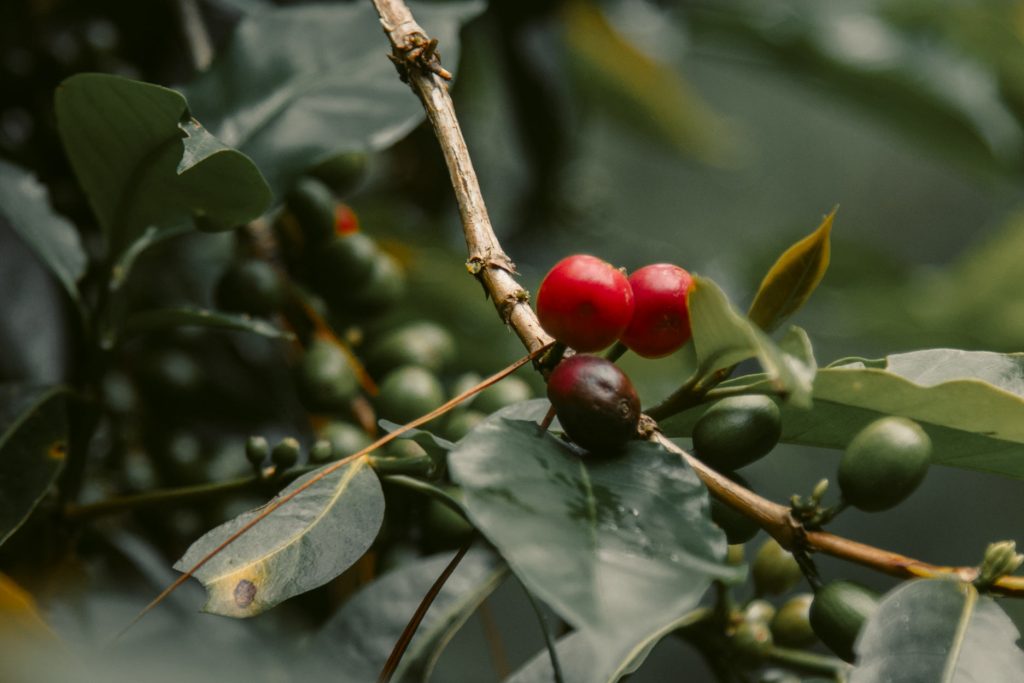
Walk around the town itself, and you’ll see a side of trekking life most guidebooks skip. This isn’t a picture-postcard resort; it’s real Peru. You’ll see coffee being harvested, locals waving as you pass, and little roadside stands selling fresh fruit that’s been picked that morning.
After days of feeling a little remote and enjoying high adrenaline activities, Santa Teresa reminds you that you’re visiting a vibrant community, not just crossing off a list of Instagram shots. It’s the sort of spot where you’ll end up chatting with locals, maybe trying your first cup of Peruvian coffee straight from the source, or being introduced to exotic fruit you didn’t even know existed. That kind of experience doesn’t come out of a brochure. Oh no. It comes from being there.
The Ultimate Bridge Between Trek And Triumph
Here’s the thing about Santa Teresa. It sits right at that sweet spot between effort and reward.
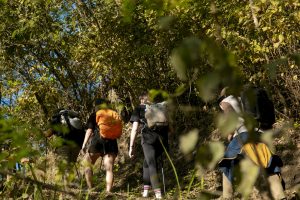
On the Inca Jungle trek, you’ll often arrive here after a day that includes hiking ancient trails, crossing rivers, zip-lining, and switching between landscapes that shift from cloud forest to jungle. Once in Santa Teresa, you’re low enough in altitude that your body starts to say, “Hey, maybe hiking doesn’t have to feel like slow torture anymore.” Then you add to the amazing feeling by dipping into hot springs that feel like they were made just for this moment.
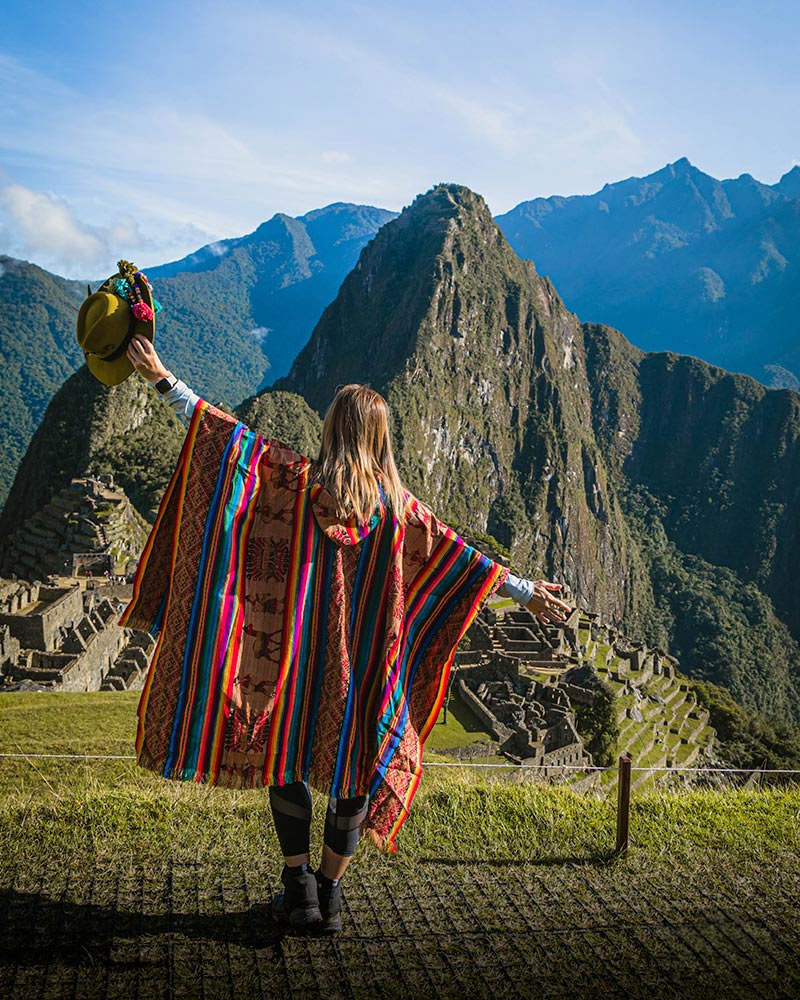
And because Santa Teresa is part of several trekking routes to Machu Picchu, it ends up being this shared favorite memory for tons of trekkers. Many routes use it as a crucial rest and transition point before the final stretch toward Hidroelectrica, Aguas Calientes, and ultimately Machu Picchu.
Laughs, Stories, And The Joy Of Being In The Moment
Here’s a secret: the best part of any trek isn’t the milestones (nope, not even Machu Picchu). It’s the stories you collect along the way. It’s the friend you made as you filled your water bottles, the guide who taught you to spot the cock of the rock, the trekker who taught everyone a new game while you all soaked in the hot springs.
Santa Teresa is where those stories happen. It’s where you stop racing toward your destination and enjoy every last part of the journey.
How To Make The Most Of Santa Teresa
Want to max out the magic?
Plan to arrive with time to wander before dinner. Explore the rivers around town. Grab a coffee from somebody who makes it for a living. And do yourself a favor by spending at least an hour in the hot springs without worrying about your next step on the trail. You earned this moment, so make the most of it.
Then later, when you’re telling your travel mates about the trek, it won’t just be about how hard you worked and the activities you enjoyed. It’ll be about that perfect moment in Santa Teresa when everything just clicked and you thought “This is why I came.”
So Why Do Trekkers Fall So Hard For Santa Teresa?
Trekking routes live or die by their pacing. Push too hard for too long and everything starts to blur together. Santa Teresa lands at exactly the right moment on the Inca Jungle trek. After the effort, before the final push, and just when your body and brain both need a bit of a break.
It’s not flashy, it’s not overdeveloped, and it doesn’t pretend to be anything other than what it is. A genuinely great place to stop while trekking through one of Peru’s most varied landscapes. On the Inca Jungle route, it does its job perfectly, giving you just enough comfort to enjoy the adventure without taking away from it.
By the time you leave, you’re moving better, thinking clearer, and probably wondering how a place this low-key ended up being such a highlight. That’s why Santa Teresa works so well on this route. It balances out the challenge without taking anything away from it, and proves that the best parts of a trek aren’t always the headline moments, but the places that make the whole journey come together and just make sense at the right time.

You might also like
Leave A Reply