
If you get bored doing the same thing two days in a row, this trek is already calling your name.
If the idea of walking the same trail for four days straight sounds a little… predictable, keep reading.
And if you want Machu Picchu to feel like something you earned, not something you queued for, you’re exactly where you should be.
The Inca Jungle route isn’t a single trail with a single mood. It’s four completely different days pieced together into one flowing adventure. Snowy mountain passes give way to warm jungle paths. Quiet hikes turn into category III river rapids. Ancient Inca ruins appear just when your legs start to question your choices. And through it all, there’s a sense that every day builds toward something bigger.
Four days. Four worlds. One journey that makes perfect sense when you look back on it.
This is the Inca Jungle, and it’s playful, varied, and full of moments that stick with you long after the dust has been washed off your boots. Ready for this epic journey? Let’s go!
Table of Contents
What The Inca Jungle Route Is All About
At its core, the Inca Jungle route is about variety.
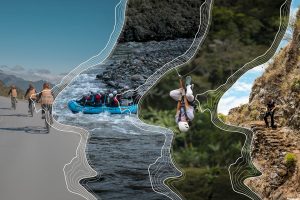
Instead of committing to one type of terrain or one pace, this trek mixes hiking with mountain biking, rafting, ziplining, jungle walks, hot springs, cultural encounters, and archaeological sites, and that’s all before delivering you to Machu Picchu on day four.
Each day feels distinct, almost like its own mini adventure. But together, they form a perfectly cohesive experience. The landscapes change, the activities switch, and the climate warms, yet the journey flows naturally from high Andes to cloud forest to jungle, finishing where it should, at one of the most remarkable places on Earth.
It’s active without being punishing, adventurous without being reckless, and immersive without ever feeling staged.
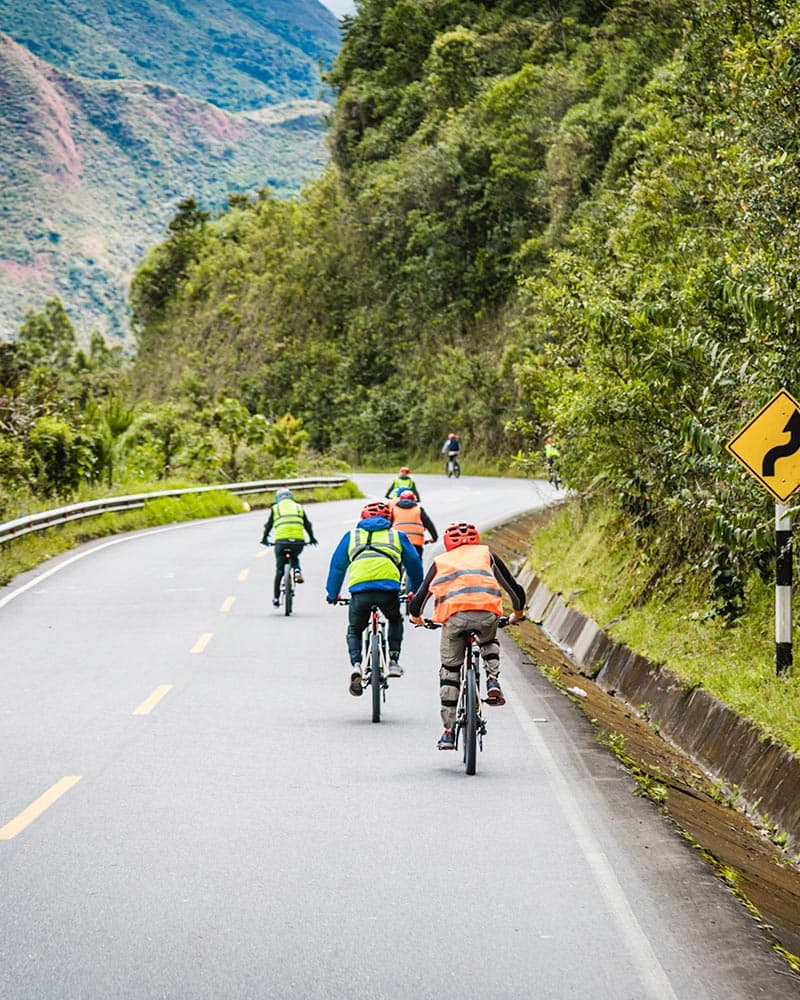
Day 1: From High Mountain Air To Jungle Roads On Two Wheels
The first day sets the tone, and it doesn’t waste any time.
After an early pick-up from Cusco and breakfast in the Sacred Valley, you’ll head up to Malaga Pass, sitting at around 4,350 meters above sea level (14,271 ft). It’s cold, dramatic, and wildly scenic, acting as a reminder that this journey starts high in the Andes.
Then things change, and fast.
What Happens On Day 1
You’ll gear up for a long downhill mountain bike ride, covering roughly 55 kilometers as the landscape slowly transforms around you. Cold mountain air gives way to warmer breezes, and barren slopes turn into green valleys and rushing rivers.
It’s fast, fun, and freeing, and a completely different way to experience the Andes than on foot.
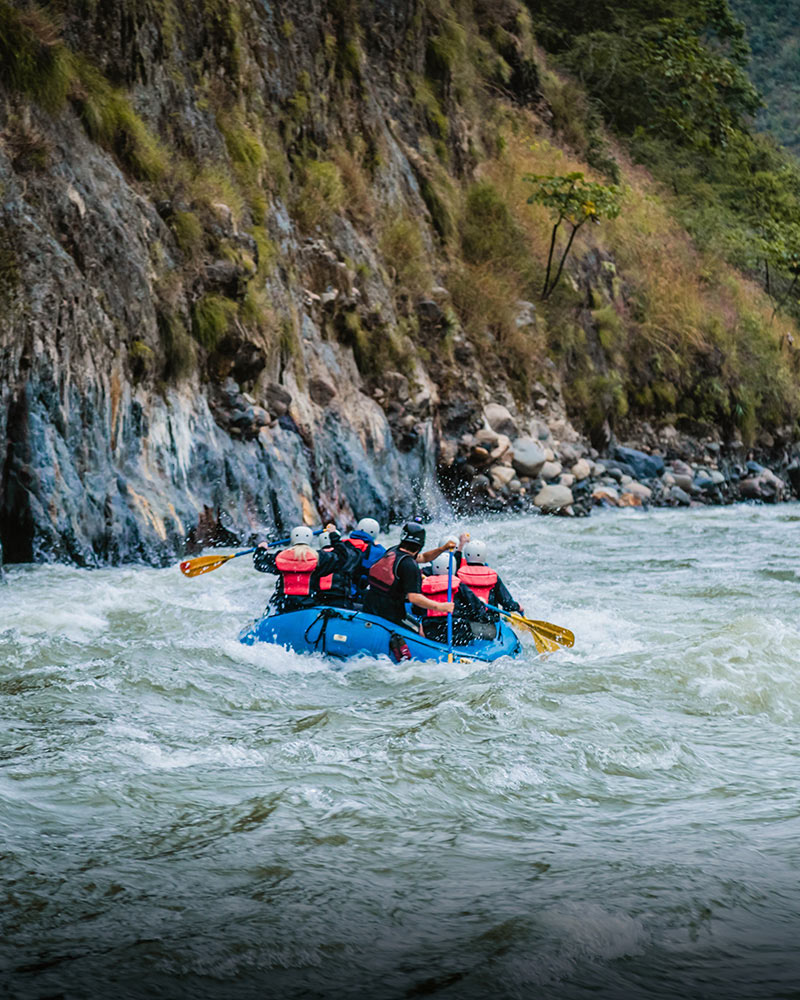
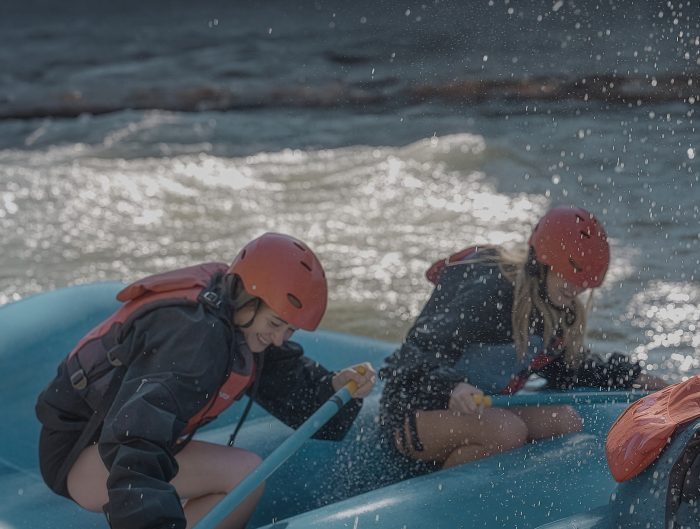
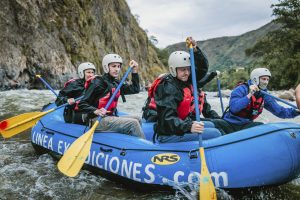
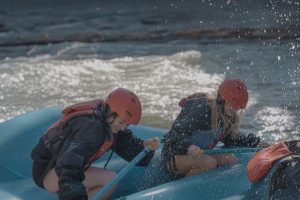
After a spot of lunch in Santa Maria, there’s an optional white-water rafting experience on the Vilcanota River (available April to December). It’s a jolt of adrenaline before settling into your first cozy night of the trek back in Santa Maria.
What To Bring For Day 1
- Warm layers for the high pass
- A waterproof jacket
- Comfortable trainers or biking shoes
- Sunscreen and water, yep, even on cooler days
You’ll fall asleep to jungle sounds that night, already aware that this trek doesn’t repeat itself.
Day 2: Jungle Trails, Living History, And A Well-Earned Soak
Day two slows the pace (slightly) but deepens the experience.
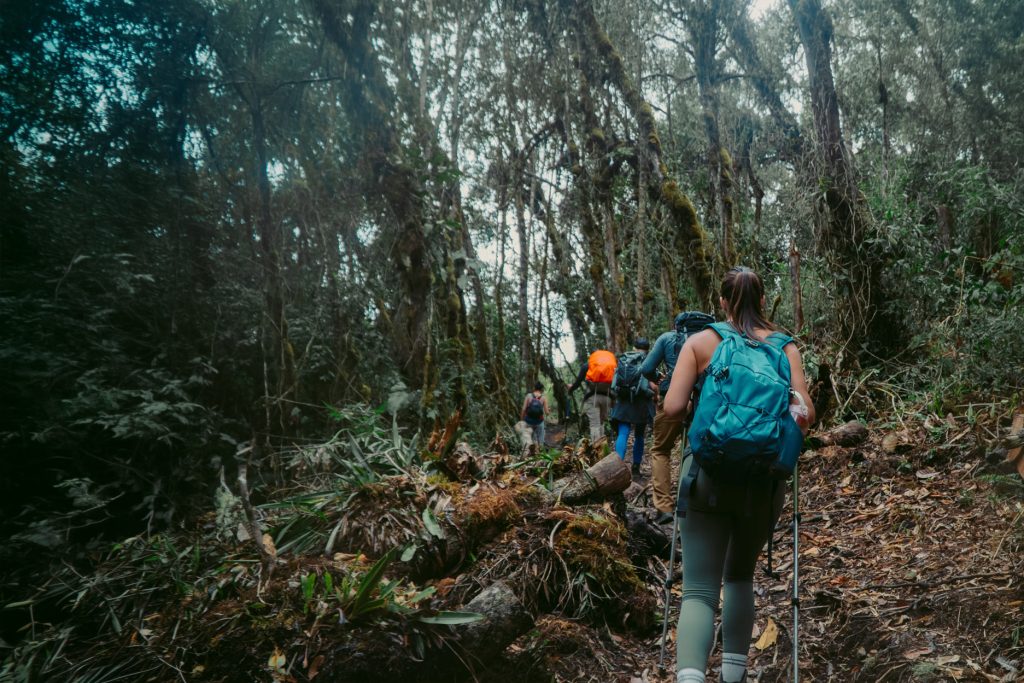
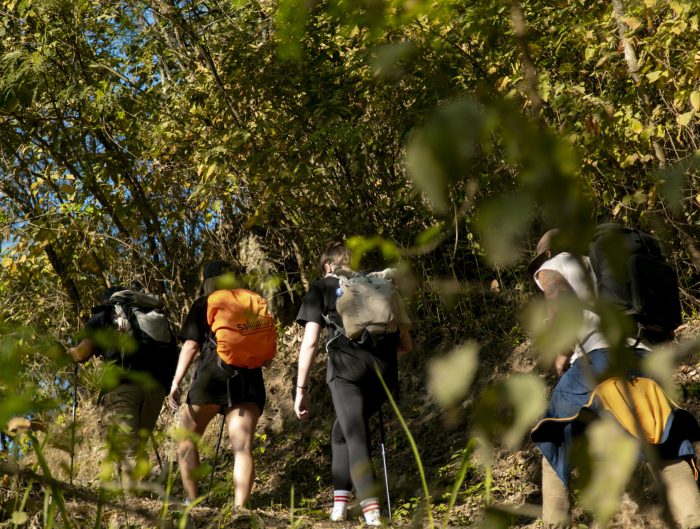
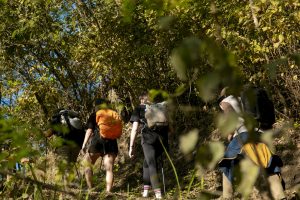
You’ll spend the morning hiking through lush jungle terrain, following paths surrounded by thick vegetation, birdsong, and the steady hum of life. This is a warmer, greener Peru, and it feels worlds away from where you started just 24 hours earlier.
Along the way, you’ll walk sections of original Inca pathways and pass small family homes, learning how people live and farm in this region today. The history here isn’t kept behind ropes. It’s part of daily life.
Why Day 2 Feels So Different
This day is about connection rather than adrenaline. It’s cultural, tropical, and immersive, with time to appreciate where you are rather than how fast you’re moving.
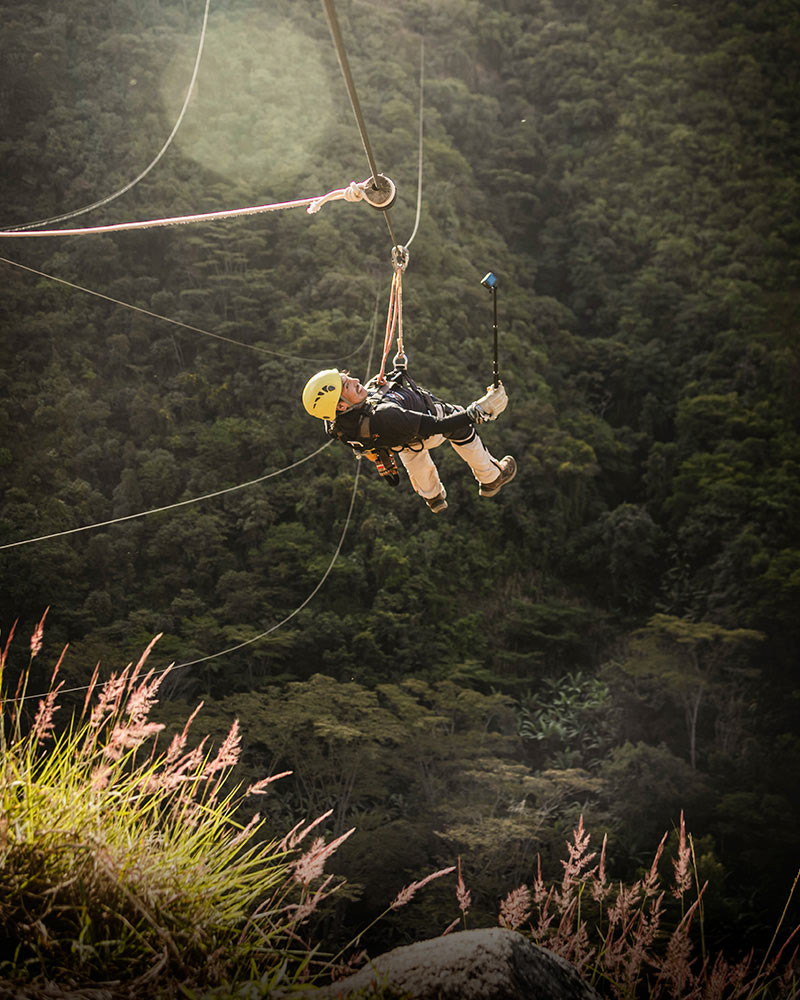
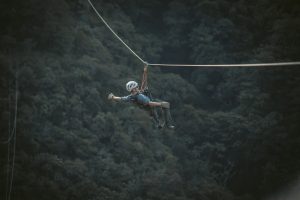
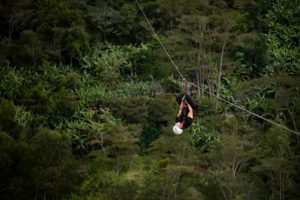
But don’t worry, adrenaline junkies, as in the afternoon, there’s the option to zipline above the valley before heading to the Cocalmayo hot springs. Soaking in the thermal waters is one of those moments that feels almost unfairly good after a day on your feet.
What To Bring For Day 2
- Light, breathable hiking clothes
- Bug spray
- Comfortable walking shoes
- Swimsuit, towel, and flip-flops
- Water and snacks
You’ll spend the night near Lucmabamba, where jungle sounds join you once again and help you calmly drift off to sleep.
Day 3: Inca Ruins, River Walks, And The Road To Machu Picchu
Day three is the longest but one of the most rewarding.
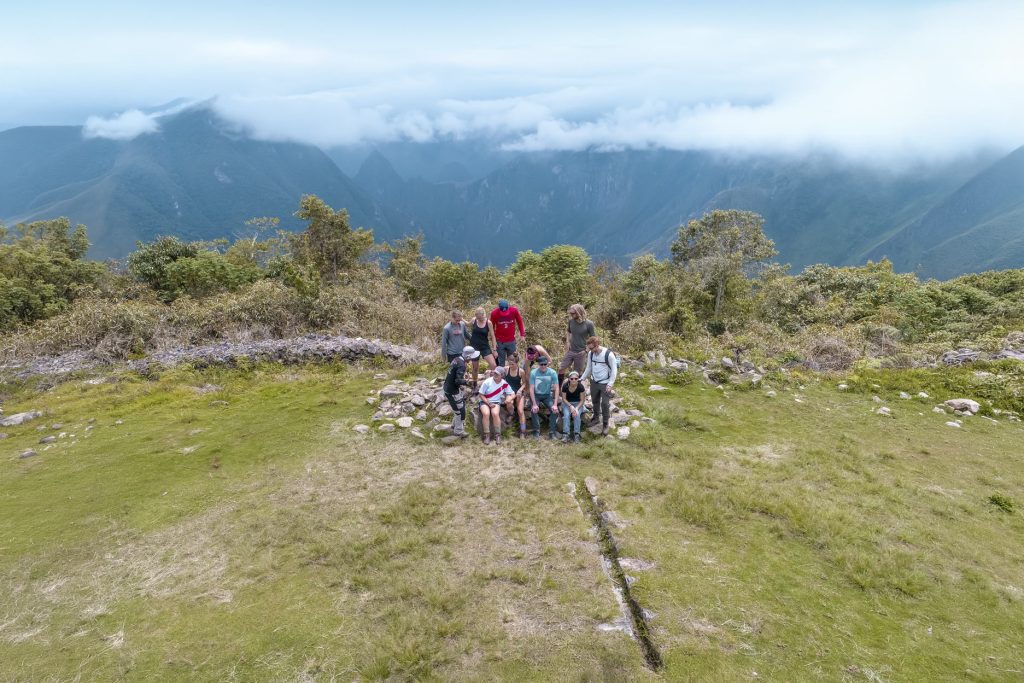
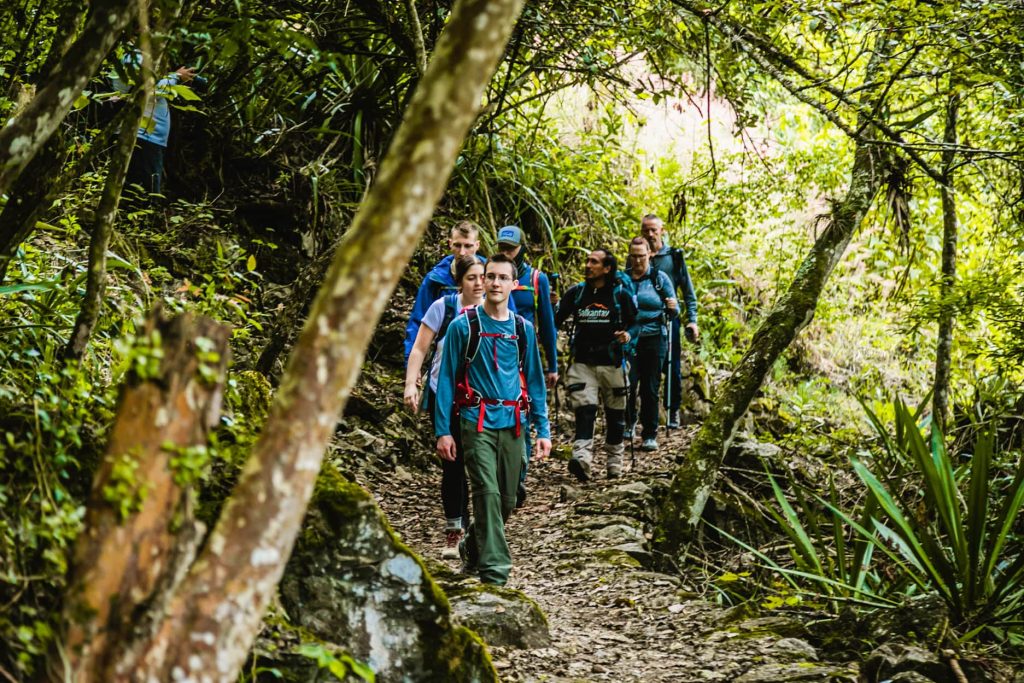
The morning begins with an uphill hike to Llactapata, an Inca site that gives you your first distant view of Machu Picchu. It’s not a dramatic reveal. It’s powerful because you know you’re getting close, and because you’ve worked hard for it.
From there, the trail continues down toward Hidroelectrica, passing coffee plantations and jungle viewpoints before reaching the river. You can choose to walk the scenic route along the train tracks or take an optional train to Aguas Calientes.
Why Day 3 Ties Everything Together
This is the bridge between journey and destination. The jungle, the ruins, the river, and the anticipation all combine here.
By the time you reach Aguas Calientes, Machu Picchu no longer feels like a standalone attraction. It feels like the natural conclusion to everything that came before it.
What To Bring For Day 3
- Well-broken-in hiking shoes
- Snacks and plenty of water
- Layers for changing conditions
- A camera as this day delivers
Day 4: Machu Picchu, At Last
The final morning comes early, and it’s well worth it.
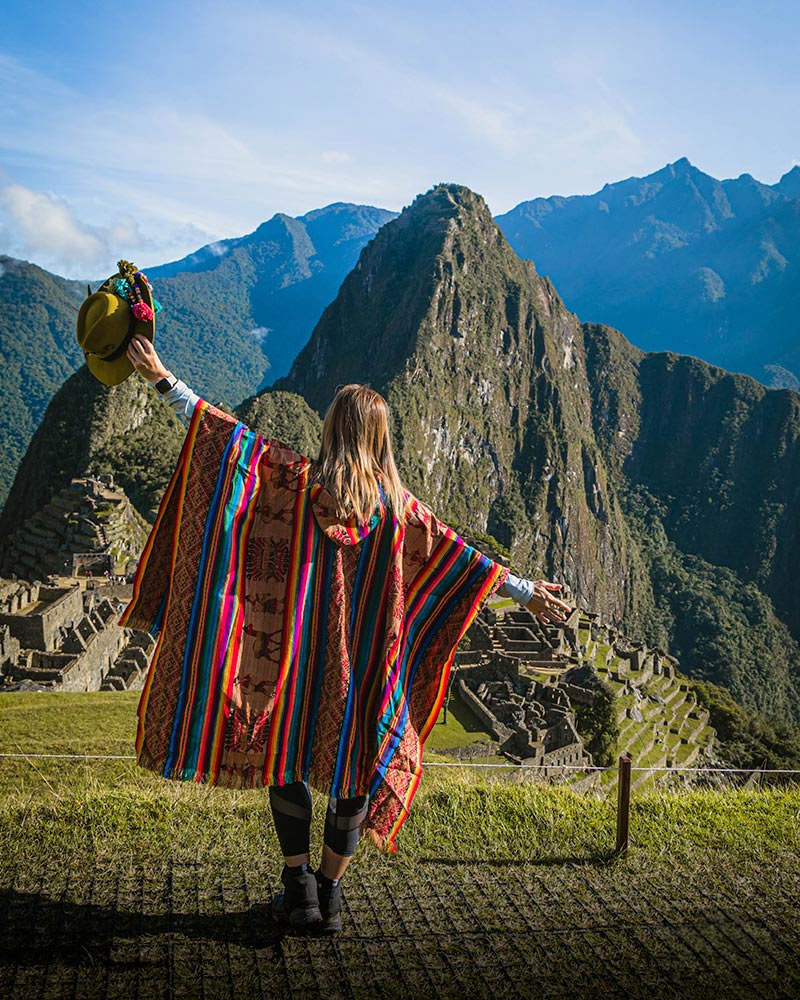
You’ll head up to Machu Picchu for a guided tour that brings the citadel’s history, architecture, and symbolism to life. Seeing it after four days on the trail feels different from arriving for the day. It’s quieter, more meaningful, and deeply satisfying.
After the tour, you’ll have free time to explore or simply sit and take it all in before returning to Aguas Calientes and then on to Cusco.
This is where the epic journey completes itself.
What To Bring For Day 4
- Comfortable walking clothes suitable for warm weather
- Good walking shoes or trainers with grip
- Sun protection (hat, sunscreen, sunglasses)
- Water and a few light snacks
- Camera or phone with space for photos
- Your passport (required for entry to Machu Picchu)
How The Inca Jungle Route Compares To Other Treks
Not all routes to Machu Picchu feel the same.
Some focus almost entirely on hiking. Others are all about altitude and epic mountain scenery. The Inca Jungle Trek stands apart because it refuses to be just one thing. It’s:
- More playful and varied than traditional routes
- Warmer and greener, especially appealing if you prefer jungle over snow
- Ideal if you enjoy mixing activities instead of repeating the same motion day after day
- More social, more dynamic, and often more fun for adventurous travelers
If you want a trek that feels like an adventure rather than a test, this route delivers.
Let’s Talk About The Food
Food matters on a trek like this, and it’s actually one of the highlights for many hikers.
Meals are warm, filling, and thoughtfully prepared, designed to keep energy levels steady as the terrain changes. Think hearty breakfasts, satisfying lunches, and comforting dinners that feel especially good after long days outdoors, and all made with locally sourced, fresh ingredients.
In the jungle sections, fresh produce shines. On colder days, hot meals hit exactly when you want them to. It’s not fancy, but it’s exactly what your body needs and when.
When The Inca Jungle Route Really Shines
This trek works year-round, but each season brings its own personality.
- Dry season (May–September) means clearer views and excellent biking conditions
- Shoulder months (April and October) bring greener landscapes and fewer crowds
- The jungle stays lively and warm almost all year, so even much of the wet season (November to March) is still an option, although many tour operators won’t run the trek in February due to dangerous conditions
No matter when you go, the defining feature remains the same. We’re talking about change. Every day feels new.
Why The Inca Jungle Route Stands Out
What makes this trek special isn’t just the destination. It’s how different each day feels.
Day one throws you off mountains on a bike and into the river on a raft. Day two eases you into jungle culture and hot springs. Day three tests your trek legs. And day four delivers one of the world’s great rewards. Most treks stick to one mode (just walking, just mountains). This one keeps reinventing itself.
Greater variety equals greater memories. That’s the magic here.
Who This Trek Is Perfect For
The Inca Jungle trek is ideal for adventurous souls who:
- Want more than just a hike (think biking, rafting, ziplining)
- Like cultural insights alongside nature
- Are comfortable with moderate physical challenges
- Want a mix of comfort and an authentic experience
- Love grand finales (yes, we’re talking about Machu Picchu)
It works for fit walkers and people who paddle or bike recreationally. Just come ready to move and learn.
Four Days, One Story
What makes the Inca Jungle route so special isn’t just that every day is different. It’s that those differences form a single, unforgettable journey.
You start high and cold. You descend into warmth. You move through history. You arrive at wonder.
It’s not four disconnected adventures. It’s one epic journey that keeps unfolding, layer by layer, until Machu Picchu finally comes into view.
If you’re looking for a trek that surprises you, challenges you just enough, and rewards you completely, this route has a way of staying with you long after the journey ends. So, if you’re ready to join us on this epic adventure, get on over to Peru and experience it for yourself.

You might also like
Leave A Reply