
Machu Picchu has a reputation for making people emotional. Quite emotional. Goosebumps emotional. Unexpected-tears-at-7am emotional.
But here’s the thing people don’t always talk about: how you get there seriously changes how it feels when you arrive.
Turning up to Machu Picchu by train and bus is impressive. No one is denying that. But arriving after the Inca Jungle trek? That hits on a completely different level. Not louder. Not more dramatic. Just deeper. More personal. More earned.
And yes, even compared to other treks, the Inca Jungle arrival has its own kind of emotional punch.
This is why.
Table of Contents
The Difference Between Turning Up And Actually Arriving
Let’s get the obvious comparison out of the way.
Train and bus travel is smooth. Comfortable. Efficient. You wake up in a hotel bed, sit down, scroll your phone, look out a window, and then suddenly you’re there. Machu Picchu still looks incredible. Your brain still goes “wow.” Your camera roll fills up fast.
But emotionally? You’ve skipped the build-up. The part that builds anticipation over days, not hours.
After the Inca Jungle trek, you don’t just turn up at Machu Picchu. You arrive.
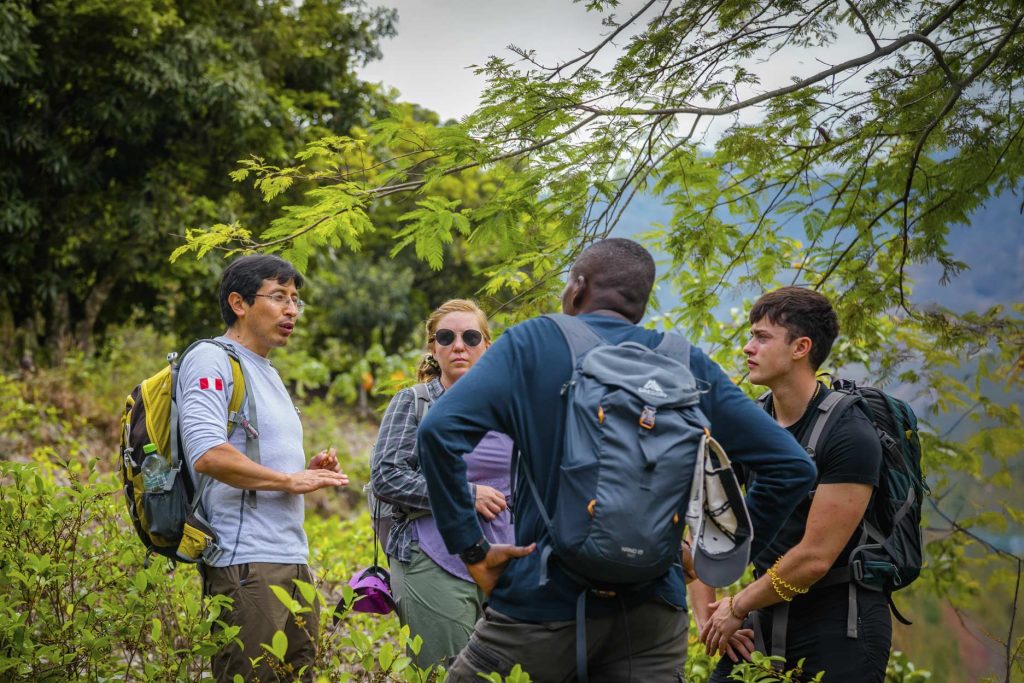
Your body understands the distance in a way your phone map never will. Your legs remember long downhill sections. Your shoulders remember the weight of your backpack. Your brain remembers every early alarm, every shared laugh, every moment where you thought, “Okay, this is harder than I expected… but I’m still doing it.”
When Machu Picchu finally appears, the emotion isn’t just about what you’re looking at. It’s about everything you carried with you to get there, emotionally and physically.
Why Trekking Rewires The Machu Picchu Experience
Trekking changes your pace, both physically and mentally.
Days on the trail strip life down to the basics. Get active. Eat. Rest. Repeat. There’s no rush-hour mindset. No endless notifications. No sense that you should be somewhere else.
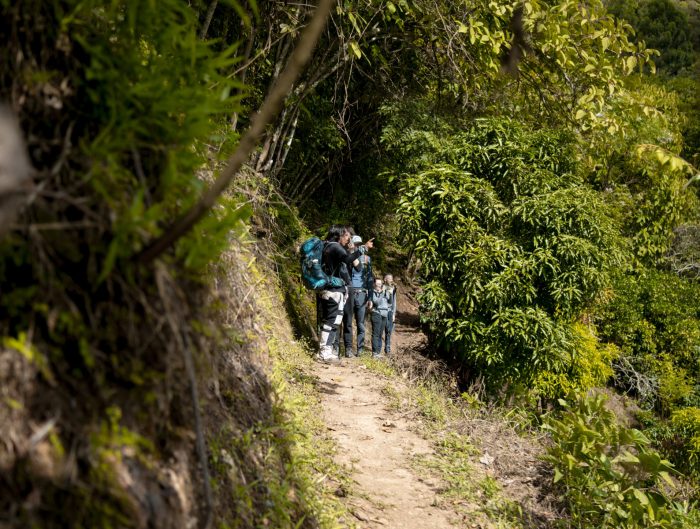
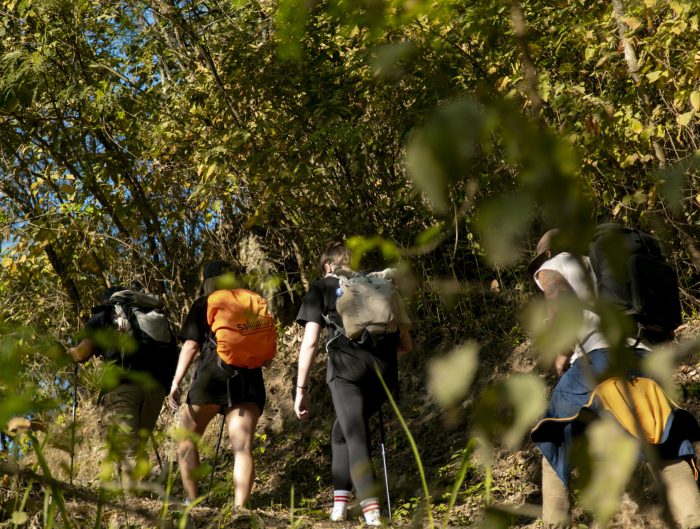
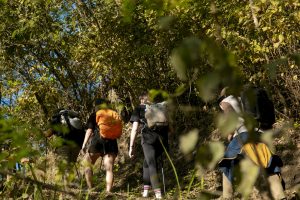
The Inca Jungle trek does this seamlessly. You move through cloud forest, high jungle, valleys, small villages, and changing landscapes day after day. Each night, Machu Picchu feels closer, but you’re never in a rush to get there. It sits in the background of your mind, but doesn’t get in the way of you enjoying everything else that comes before.
By the time you reach it, you’re not overstimulated or distracted. You’re present. Properly present. And that’s when places like Machu Picchu really have a huge impact.
Why The Inca Jungle Trek Builds Anticipation Better Than You Expect
One of the reasons the emotion feels different after the Inca Jungle trek is because the journey itself is varied in the best possible way.
Unlike most treks, this isn’t a single-themed walk. It’s movement, contrast, and surprise.
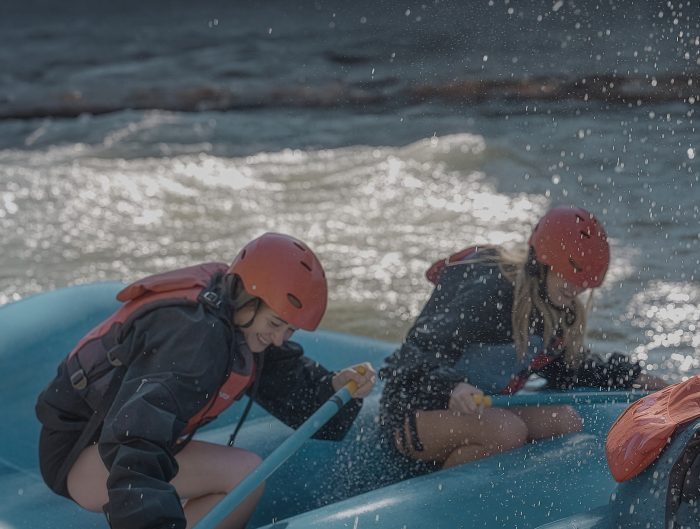
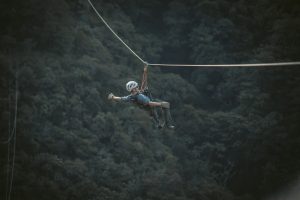
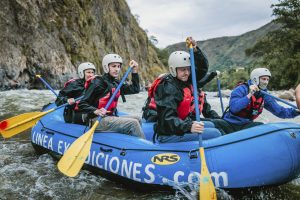
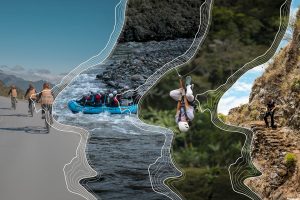
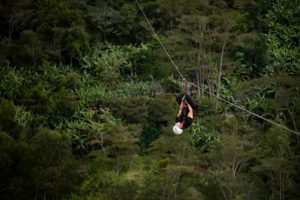
You start high, surrounded by mountains. You drop into warmer, greener landscapes. You pass coffee farms, rivers, jungle paths, and small communities where daily life carries on as usual. You bike, hike, raft, zipline, and relax in hot springs. Each day feels different from the last, which keeps your brain engaged instead of counting down the miles.
That variety matters.
It stops Machu Picchu from feeling like the only highlight. Instead, it becomes the final piece of a bigger story. An epic adventure. And because the trek has already delivered so many memorable moments, the anticipation builds slowly rather than desperately.
By the last night, excitement sits alongside something else. Satisfaction. You’ve already had an experience worth remembering, so Machu Picchu isn’t there to rescue the journey. It’s there to complete it.
Seeing Machu Picchu From Llactapata Changes The Ending
For many people on the Inca Jungle trek, the emotional change happens before the final day.
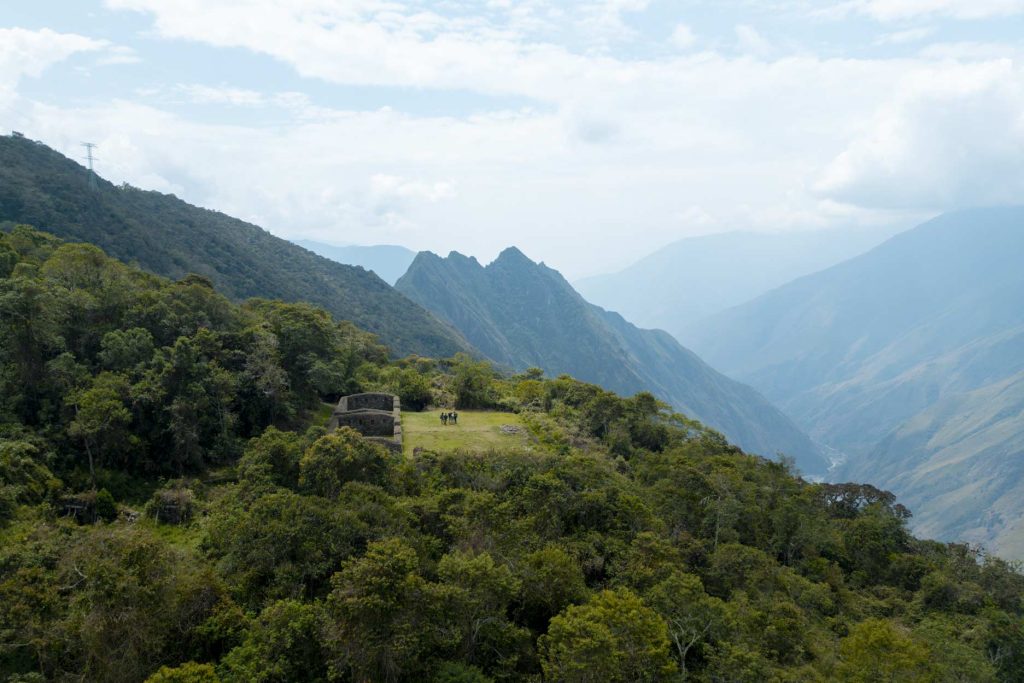
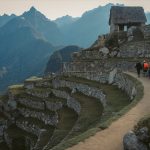
Llactapata is where Machu Picchu appears for the first time. From here, it’s distant, quiet, and sits across the valley instead of right in front of you. It’s not dramatic. It’s not crowded. And that’s exactly why it works.
After days on the trail, seeing Machu Picchu from afar makes it feel a lot more real. Conversations fade. People stop walking. The excitement settles into something calmer and more focused.
From that point on, the final day isn’t about curiosity anymore but about completion. Llactapata doesn’t steal Machu Picchu’s moment in any way. It deepens it.
The Emotional Payoff Of The Final Day
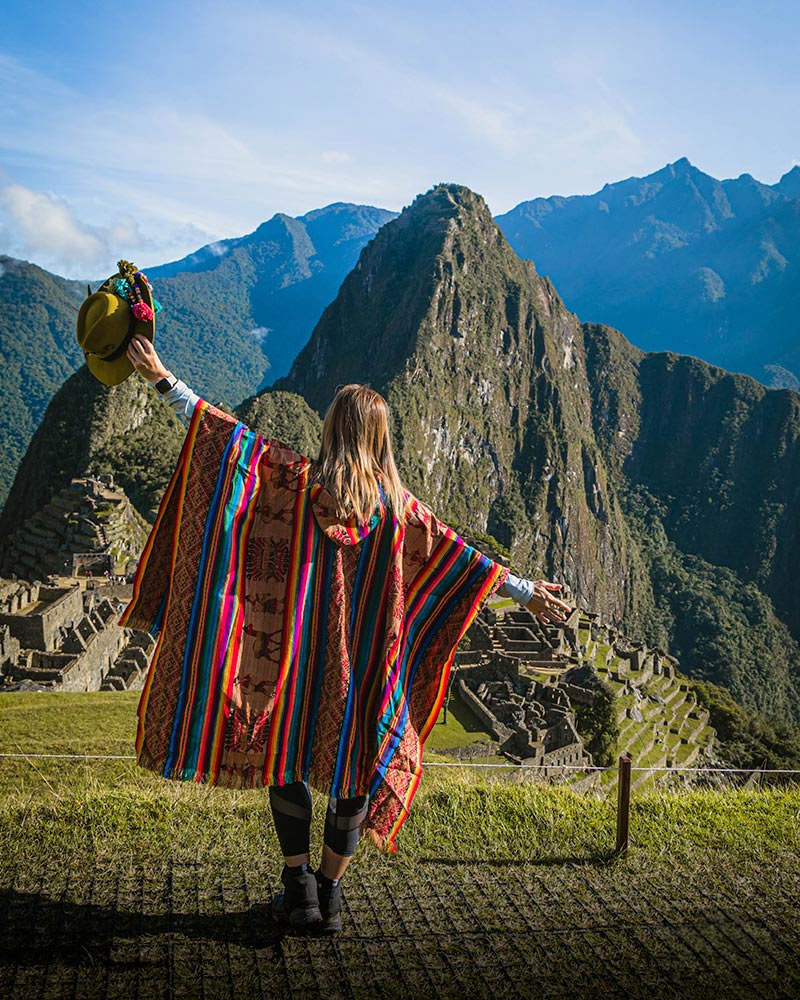
The final approach to Machu Picchu after the Inca Jungle trek feels charged in a way that’s hard to explain until you’ve done it. It doesn’t feel like a first meeting, but a return, especially after already seeing the citadel waiting across the valley from Llactapata.
You’re tired, but not in a miserable way. It’s more like the good kind of tired that shows you’ve used your body the way you should have to complete such a challenge. There’s a shared energy in the group. There might be fewer jokes than there have been over the last few days, but there are more quiet smiles. Everyone knows what’s coming.
And then suddenly, there it is.
Not as a quick reveal after stepping off a bus, but as the natural conclusion to days of effort. The moment feels calmer. Heavier. Almost reverent.
People talk about the view, but what sticks is the pause that comes after. That moment where no one rushes to speak because everyone is busy processing what they’ve just done to get there.
Why It Feels Different Compared To Other Treks
Even for people who’ve done multiple treks to Machu Picchu, arriving from the Inca Jungle route stands out.
Some treks are about endurance. Others are about altitude. Some are deeply historical from start to finish. The Inca Jungle trek is about a varied experience and building momentum.
Because the landscapes change so dramatically, the days feel full without being repetitive. Because the route blends nature, culture, and movement, the journey feels balanced rather than punishing. And because Machu Picchu isn’t constantly dangled in front of you, the arrival feels genuine, not overdue.
You don’t arrive thinking, “Finally.” You arrive thinking, “That was worth every step.”
The Quiet Pride No One Warns You About
One of the most unexpected emotions people feel when arriving at Machu Picchu after the Inca Jungle trek is pride.
But we’re not talking the loud, chest-beating kind. It’s the quiet kind. The kind that sits with you while you walk through the ruins and doesn’t need you to announce it to the world.
You didn’t just visit Machu Picchu. You worked your way toward it. You committed days of your life to the journey. And now you’re standing in one of the most iconic places on Earth, knowing you didn’t take the shortest route.
That stays with people long after they’ve arrived home and put away their hiking boots.
Why This Kind Of Arrival Sticks With You
Years later, people might forget how far they walked or what each day involved. What they remember is how they felt.
Arriving at Machu Picchu after the Inca Jungle trek feels grounded. It’s emotional without being overwhelming. Powerful without being rushed. It’s not just a place you tick off your bucket list. It becomes a moment you replay. Over and over.
If you’re the kind of traveler who wants more than just a few photos to post on your reels, this route delivers exactly that. A journey that earns its ending. A build-up that pays off. And an arrival that feels like something you were part of, not just something you showed up to.
Some places deserve effort. Machu Picchu is one of them.

You might also like


Leave A Reply