
There are many ways you can get to Machu Picchu. Some are faster. Some are more comfortable. Some involve trains, buses, and a very early alarm.
But seeing Machu Picchu for the first time from Llactapata, high above the valley on the Inca Jungle trek, feels different. This isn’t an arrival. It’s a reveal.
You don’t simply stumble into the citadel. You see it in the distance, sat amongst the mountains, quiet and far away. And in that moment, everything you’ve walked, climbed, and pushed through all becomes worth it.
Let’s take a closer look at what makes this moment one you’ll never forget.
Table of Contents
What Makes Llactapata So Special
Llactapata isn’t just a place to look out at pretty views and get a glimpse of the Inca citadel. It’s an ancient Inca site with a direct visual connection to Machu Picchu, built with intention, alignment, and purpose. The Incas chose this spot carefully, and when you stand there, you begin to understand why.
From here, Machu Picchu sits across the valley, framed by steep green slopes and drifting clouds. The Urubamba River winds across the floor far below. The scale is humbling. The silence feels unreal.
There are no crowds surrounding you and pushing from behind. There’s no rush to move on. Just a wide-open view and the strange feeling that you’ve arrived somewhere important before most people even realize it exists.
The Power Of Seeing Machu Picchu From A Distance
Most visitors only experience Machu Picchu up close and all at once. It’s impressive. There’s no doubt about that. But there’s something about seeing it from far away first that changes how you feel about it.
From Llactapata, Machu Picchu looks small. Almost delicate. You can trace its outline without getting lost in the details. You understand where it sits in the landscape and how perfectly it belongs there.
This first glimpse of Machu Picchu from Llactapata doesn’t overwhelm you. It invites you in.
And because you still have a full day ahead before visiting the citadel itself, the anticipation continues to build in the best possible way.
Why This Moment Hits Hard On The Inca Jungle Trek
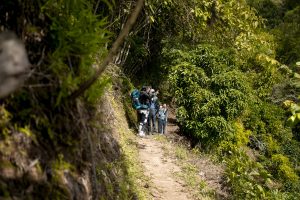
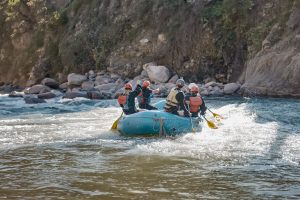
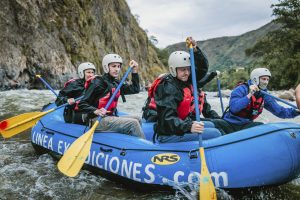
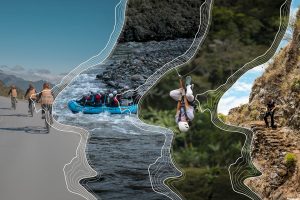
By the time you reach Llactapata, you’ve already experienced a lot. The Inca Jungle trek is active, varied, and full of contrasts. One day, you’re cycling down mountain roads and rafting on category III rapids. Another, you’re hiking through the humid jungle, passing waterfalls, coffee farms, and small communities that feel so far removed from the modern world.
Your legs are tired. You definitely need a good shower. You’ve earned every step.
So when Machu Picchu finally appears across the valley, it doesn’t feel like a straightforward tourist stop. It feels like a reward. Something not many get to experience and feel.
People often go quiet here. Conversations trail off. Phones come out slowly for a snap, but almost as an afterthought. The moment doesn’t ask for much. It just asks you to look.
A Short History Of Llactapata
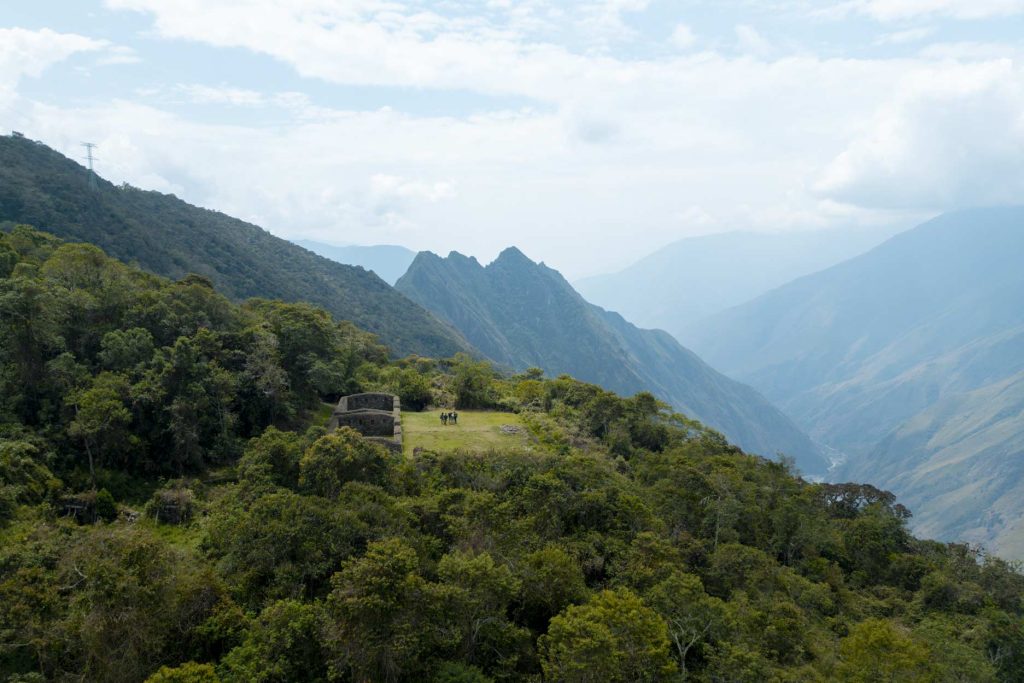
Llactapata is thought to have been an important Inca settlement and agricultural center, strategically placed above the Urubamba Valley. It wasn’t built at random. The Incas put it here to control access routes, farm the steep slopes that surround it, and maintain a direct view of Machu Picchu from across the valley.
At the site, you’ll find terraces, stone structures, and ceremonial spaces that were all positioned with a clear understanding of the surrounding landscape. Being able to see Machu Picchu from Llactapata was certainly intentional, and supports the idea that these sites were part of a connected network rather than isolated ruins.
Unlike Machu Picchu, Llactapata was never meant to be a hugely important or grand destination all by itself. It played a supporting role in the empire, which is exactly why standing there today feels so raw. It offers a rare glimpse into how the Incas lived, moved, and saw their world, long before travelers followed the same paths on foot.
Llactapata And The Inca Perspective
There’s something grounding about seeing Machu Picchu the way the Incas once did, from a distance, as part of a much larger system of paths, sites, and sacred places.
Llactapata wasn’t built to impress outsiders. It was part of a network that worked extremely well. Standing there helps put Machu Picchu back into context, not as a standalone attraction swarmed by visitors, but as one piece of an incredibly smart and connected civilization. You forget about what’s probably going on there right now and start to imagine what life was once like across the region as a whole.
For travelers who like their history layered into the experience rather than handed to them on a signpost, this stop adds real depth to the journey.
A Different Kind Of Machu Picchu Memory
Ask people what they remember most from the Inca Jungle trek, and Llactapata comes up a lot. Not because it’s flashy. Not because it’s famous. But because it feels like a personal encounter with an ancient world.
This is often the moment when Machu Picchu stops being an idea and becomes real. When the photos you’ve seen for years finally line up with the landscape in front of you.
And because you haven’t arrived yet, there’s no pressure to move on. The moment stretches, and you simply sit, observe, and let it all settle in.
Why This Experience Is Worth Doing The Hard Way
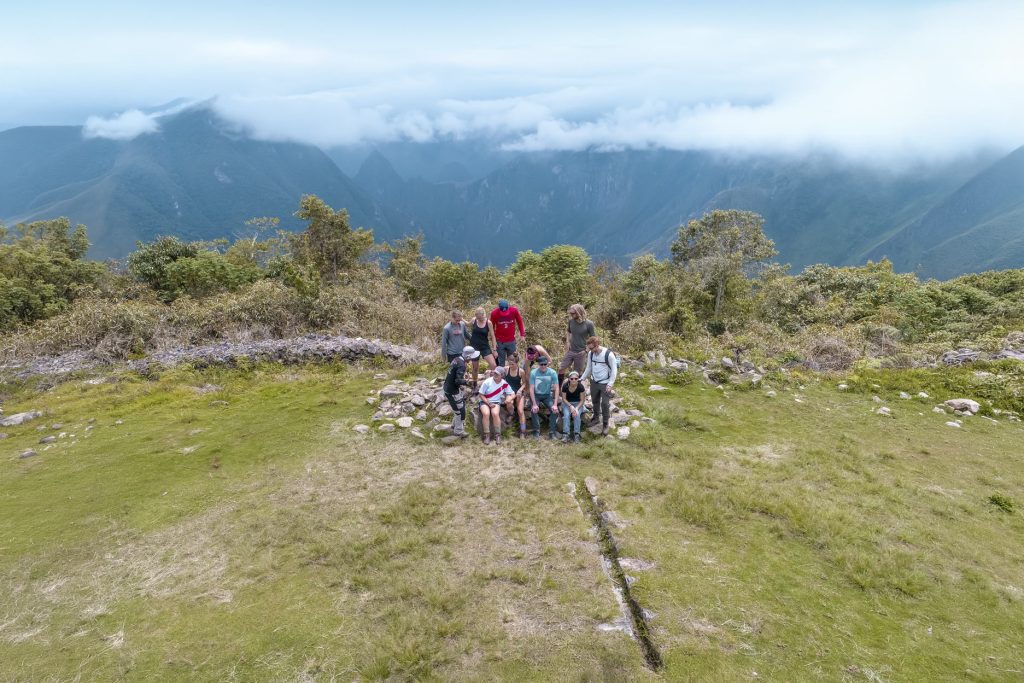
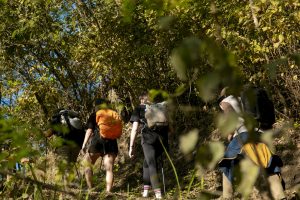
There’s no shortcut to Llactapata. You can’t hop in a taxi or get on a train for a quick tour or glimpse of Machu Picchu from afar. You reach it on foot, after a steady climb, with the Andes accompanying you all the way.
That effort matters. It makes overcoming the challenge feel worth it. It makes the view feel deserved rather than delivered to you on a plate.
For travelers who want more than a quick visit, more than a box checked on their bucket list, this kind of moment is exactly why trekking to Machu Picchu is such an incredible experience.
The Quiet Promise Of What Comes Next
After Llactapata, you still have miles to go. Aguas Calientes is ahead. Machu Picchu itself is waiting. But the tone has been set.
You’ve already seen it. Not up close, not crowded, not rushed. You’ve met it from across the valley, and on your own terms.
And when you finally walk through the gates the next day, that first glimpse from Llactapata stays with you. It changes how you see everything that follows. It deepens your experience with this World Wonder.
For those choosing the Inca Jungle trek, this moment isn’t a bonus. It’s one of the defining reasons to do it at all.

You might also like



Leave A Reply