
High in the Andes, somewhere between dramatic mountain passes and the full-on jungle, the cloud forest quietly steals the show. It doesn’t demand your attention like snowcapped mountain peaks or ancient ruins. It just exists. Lush. Dense. A little mysterious. And absolutely packed with life.
Along the Inca Jungle route, the cloud forest is one of the real scene-stealers. It’s the stretch where the air gets thicker, the greens get brighter, and every corner seems to hide something new, whether it be an orchid clinging to a tree, a hummingbird darting past your shoulder, or a butterfly that looks like it flew out of a painting.
This isn’t just a walk between highlights. The cloud forest is the highlight. And below are its best bits.
Table of Contents
So, What Exactly Is A Cloud Forest?
Think of a cloud forest as nature’s sweet spot. It sits at mid-elevation, where warm air rises from the jungle below, and cool mountain air drifts down from above. The result? Constant moisture, rolling mist, and conditions so good that plants literally go wild with it.
Clouds don’t float politely overhead like you’re used to. They move through the trees, making branches drip, leaves glisten, and moss grow on things that don’t look like they should support moss, but somehow do.
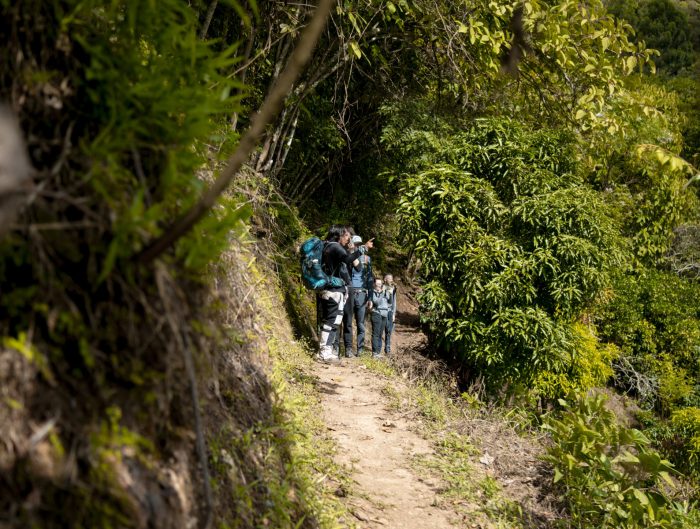
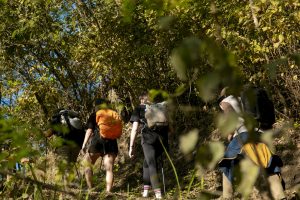
On the Inca Jungle route, you don’t just pass through this environment. You walk inside it. Slowly. Properly. Noticing every detail. And that makes all the difference.
Why The Inca Jungle Route Is Perfect For Biodiversity Spotting
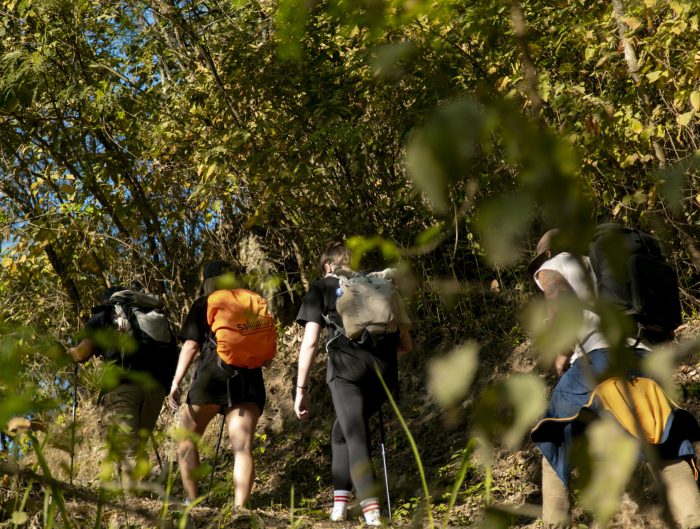
Some routes rush you through environments. The Inca Jungle doesn’t. It takes its time, easing you down through changing landscapes. Elevation drops, temperatures soften, and suddenly you’re surrounded by dense forest instead of sharp ridgelines.
As elevation changes, so does life. One day, you’re surrounded by rugged mountain views, and not long after, you’re walking beneath towering trees with leaves the size of dinner plates. That gradual transition is gold for biodiversity. Different species thrive at different heights, and the Inca Jungle manages to scoop up a whole lot of them along the way. It’s one of the reasons this route feels so varied and why the cloud forest section has a bigger impact than people expect.
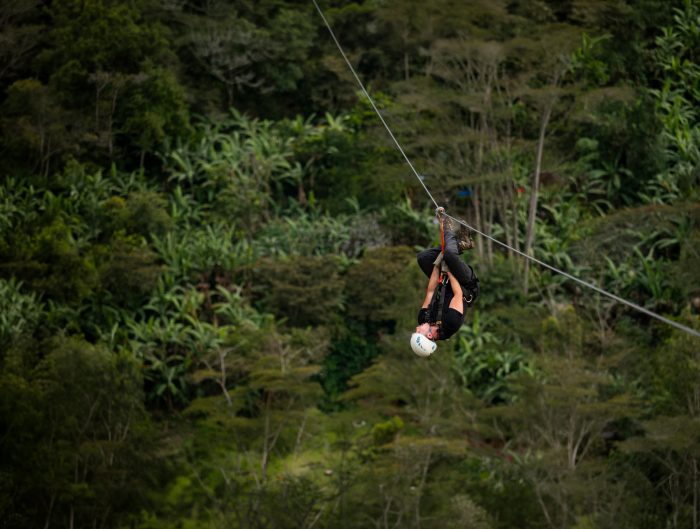
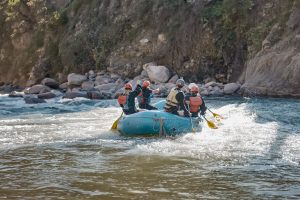
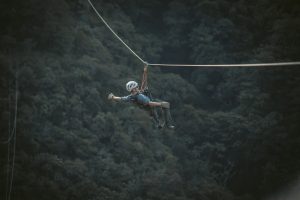
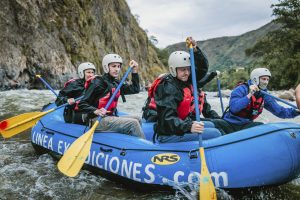
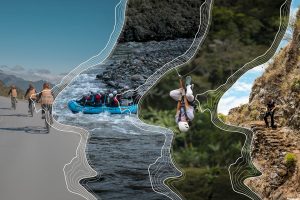
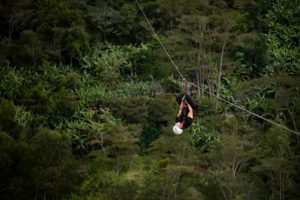
This route is famed for keeping things interesting. Between hiking, biking, rafting, ziplining, hot springs, and local communities, there’s a constant sense of movement and discovery. The cloud forest fits right into that rhythm.
Plant Life That Doesn’t Know When To Stop Growing
The cloud forest is a plant lover’s dream. Everything grows. All the time. Everywhere.
Orchids are the undisputed stars. Peru is home to thousands of orchid species, and many of them thrive in the cloud forest. Some are bold and colorful. Others are tiny and easy to miss unless you’re paying attention.
Ferns are everywhere, too, from delicate ground cover to massive tree ferns that look like they belong in a dinosaur documentary. Yes, you might spend a few minutes feeling like you’ve stumbled into your own version of Jurassic Park. Add beautiful flowers clinging to branches, vines twisting through the canopy, and moss coating just about everything, and you start to understand why the forest feels so alive.
This constant growth isn’t just nice to look at, either. It creates food and shelter for animals galore.
Birds Everywhere, All The Time
If the cloud forest had a soundtrack, it would be birds.
The Inca Jungle route takes you through an area known for bird diversity, and even casual trekkers (so non-bird watchers) will notice the difference almost immediately. You don’t need binoculars or a checklist to enjoy the variety on display. Bright colors flash through the trees. Wings beat overhead. Calls echo from somewhere you can’t quite see.
Hummingbirds steal the spotlight, darting around flowers like they’ve had too much coffee. Parrots and toucans bring the noise, making sure everyone knows they’re around. And then there are so many more smaller species doing important background work, happily contributing to the beautiful birdsong.
Early mornings pay off big time if you want to enjoy peak bird activity. It makes those first steps of the day feel magical. And all that even before the coffee kicks in.
Butterflies, Insects, And The Smaller Stuff That Matters
Not all wildlife needs to be big to be impressive.
Butterflies gather along the trail in bursts of color that feel almost like they’re putting on a show. You’ll see them in blues, yellows, oranges, and more. Sometimes dozens at once flutter by, and sometimes just a few drift past like they’re late for something.
Insects are everywhere, too, and while they don’t always get the same love as birds or mammals, they’re running the show behind the scenes. Pollinating plants. Breaking things down. Keeping the whole ecosystem from falling apart. It all starts here.
This is one of those places where noticing the small details makes the experience richer. Slow down, look closer, and the cloud forest starts to reveal itself, little by little.
Mammals You May Not See (But Are Definitely There)
The cloud forest is home to mammals like spectacled bears, foxes, and various species of monkeys. Are you guaranteed to see them? No. Are they nearby? Very likely.
These animals are shy and excellent at staying hidden, which is part of what keeps the ecosystem balanced. Even without seeing one in the flesh, knowing they’re so close to you adds another layer to the experience. Spotting tracks, hearing distant sounds, or a guide casually pointing out signs of activity can be just as exciting.
Sometimes, not seeing everything is what makes a place feel really wild. Remember: you’re not alone out here. You’re just a visitor.
How The Cloud Forest Feels As You Walk Through It
There’s something about hiking in the cloud forest along the Inca Jungle trek that’s hard to explain until you’re there.
The light softens. The air cools just enough. Mist drifts in and out like it’s testing the mood. It’s comfortable hiking, but mentally absorbing. You start paying attention without trying to.
This section of the Inca Jungle route often surprises people. It’s less talked about than mountain views or famous ruins, but it sticks in the memory long after the trek ends.
Why A Guided Trek Makes All The Difference Here
The cloud forest is full of life, but a lot of it isn’t obvious at first glance. That’s where a good guide becomes a necessity.
Knowing which plants are medicinal, which birds you’re hearing, or why the forest changes so noticeably with altitude turns a nice walk into a proper learning experience. Suddenly, the greenery isn’t just greenery anymore.
It also helps reinforce why responsible trekking matters. This ecosystem is rich, but it’s also delicate. Groups that move thoughtfully through the forest, respect wildlife, and support local communities help ensure this ecosystem stays healthy for years to come. That’s not just good travel. It’s good sense.
The Inca Jungle Route Is More Than Just Another Way To Machu Picchu
Machu Picchu might be the headline act, but the Inca Jungle route doesn’t rely on one big finish to impress.
The cloud forest is proof of that (along with all the fun-filled activities included in the trek). It’s layered, alive, and seriously unforgettable. For travelers who want more than just ticking off a famous site, this stretch of trail delivers something deeper.
Choose a trek that values the journey, not just the destination, and the cloud forest becomes more than scenery. It becomes part of the story you’ll keep telling that usually starts with, “I didn’t expect that part to be so good.”
And honestly? That’s the best kind of surprise.



Leave A Reply