
The Inca Jungle trek is basically nature showing off, with a little cardio, a little chaos, and a lot of “wait, this is the same day?” energy thrown into the mix. One minute it’s high Andean air and dramatic mountain edges. The next minute, it’s a warm jungle, roaring rivers, and green so loud it practically has a soundtrack.
This is the big reason the Inca Jungle route hits differently from other trails. You don’t just walk toward Machu Picchu. You descend through varying climates like you’re scrolling through Peru on fast-forward, while biking, hiking, rafting, and ziplining, all leading to a fabulous finish at the famous citadel.
That’s quite a lot we think you’ll agree. And all in the space of four exciting days.
There’s so much to see along the way, it’s hard to pick a favorite, so below are the ten best natural wonders you’ll see on the Inca Jungle trek to Machu Picchu. And yes, these are focused on natural wonders (we love ruins, but they can have their own list).
Table of Contents
Why This Trek Has So Many Natural “Wow” Moments
The route is basically a sampler platter of everything the Andes has to offer. No joke.
You start at Abra Malaga mountain pass at roughly 4,350 m / 14,272 ft, then drop through the mysterious cloud forest to the jungle zone where the air gets warmer, and the landscape turns lush and tropical. That rapid change is the magic trick. Peru literally swaps through ecosystems in front of you like it’s nothing.
Alright. Let’s get into the good stuff.
1) Abra Malaga Pass And The High-Andean Edge Of The World
This is where it begins: high altitude, big skies, and the kind of views that make even the loudest people go quiet for once.
Abra Malaga sits around 4,350 m / 14,272 ft, and it’s one of those places where the air feels thin, but the scenery feels extra thick. You’re perched at the top of a huge transition zone, ready to bike downhill. It’s the time to enjoy the last glimpse of a cold mountain world before you drop toward warmer zones.
Why It’s A Natural Wonder
Because you can literally watch climates change beneath you. And no, that’s not us trying our hand at poetry. That’s simply the route.
Small Pro Tip
At this altitude, everything feels more dramatic, including even the mildest effort. Hydrate as you go, pace yourself, and let the scenery do the hard work.
2) The Drop From Misty Mountains Into Cloud Forest
This is the trek’s signature flex. It’s the descent where the landscape transforms in real time. And fast.
As you head downhill from the pass on your mountain bike, the environment shifts from misty mountain terrain to lush jungle, and you’ll feel the temperature climb as you lose elevation.
The cloud forest is humid, full of dense vegetation, and extremely biodiverse. There aren’t many places like it on Earth.
Why It’s A Natural Wonder
Because seeing so many different ecosystems usually involves flights, drives, and a lot of waiting around. Here, it happens during one adrenaline-happy descent, and it’s awesome.
What To Watch For
Cloud forest plant life, like ferns, mosses, and wild orchids, oh, and that foggy, enchanted look like the mountains are trying to keep secrets.
3) Amazonian Foothills Views
On Day 2, the land drops away, and the Amazonian foothills roll out in front of you. Expect layer after layer of deep green, stretching so far it messes with your sense of distance.
It’s a full, sweeping reveal. The air gets warmer, the vegetation gets louder, and suddenly the jungle isn’t a concept anymore. It’s right there in front of you, alive, busy, and oh so huge.
Why It’s A Natural Wonder
Because foothills are where landscapes get really wild. Mountains soften into endless green, and you get that sense of scale that’s hard to process without whispering “wow” at least once.
Quick Reality Check
This is also where you start realizing you packed too many layers. The jungle is warm and won’t accommodate that thick puffer you brought with you.
4) Vilcanota River Rapids
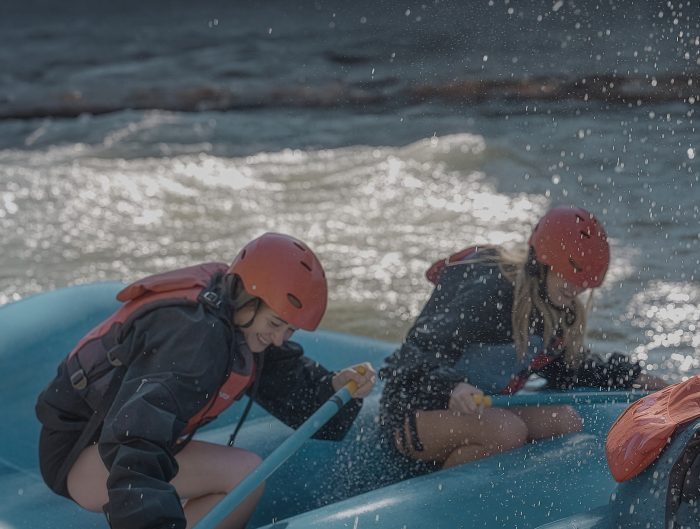
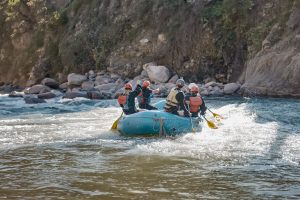
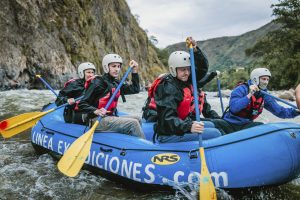
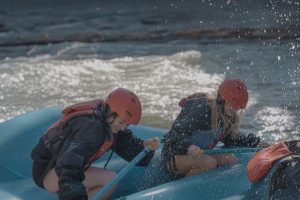
If you do the rafting section, you’ll take on the Vilcanota River, with rapids typically listed around Class III / III+ (season-dependent).
Even if rafting isn’t your thing, the river is still a star. It’s fast, loud, and very much makes itself known.
Why It’s A Natural Wonder
Because rivers like this are an incredible example of pure living energy, carving valleys and feeding ecosystems while roaring at the top of their lungs.
Good To Know
Rafting availability can be seasonal, with many tour operators running it roughly from April to December.
5) The Jungle’s Flora And Fauna Up Close And Personal
One of the most underrated natural wonders here is simply the biodiversity. The trek provides ample opportunity to learn about the surrounding flora and fauna as you move through the jungle zone.
You’ll probably leave muttering to yourself, “It’s not just green. It’s alive.”
Why It’s A Natural Wonder
Because cloud forest and jungle ecosystems are packed with detail. You’ll see plants that look prehistoric, birds that behave like they own the place (they do), and layers of life stacked from canopy to ground.
How To Enjoy It More
Stop trying to power through. Slow down for five minutes. Let your eyes adjust. The jungle is all about small surprises, and there are hidden details everywhere if you take the time to look.
6) Cocalmayo Hot Springs In A Seriously Pretty Setting
The trek includes a soak at Cocalmayo Hot Springs, and it’s exactly what tired legs order when they’re given a menu.
Natural hot springs in the middle of a green valley with the river rushing by? That’s not “nice.” That’s pure bliss after days of activity.
Why It’s A Natural Wonder
Because it’s natural hot magic, you can relax in. Warm mineral water + jungle air = instant mood upgrade.
Worth Slowing Down For
This isn’t a quick dip. Take your time, sit back, and let your legs remember what relaxation feels like again.
7) Lucmabamba’s Green Valley And Night Sounds
You’ll spend a night in Lucmabamba, tucked into lush nature where the whole point is being surrounded by the sounds of the outdoors.
It’s not a single landmark, but it is one of the most memorable natural experiences of the trek: sleeping with the jungle’s soundtrack instead of city noise. In all honesty, we can’t think of a better way to forget the grind of daily life for a while.
Why It’s A Natural Wonder
Because nature at night is a different world, especially in the jungle zone, where everything seems to hum, chirp, and rustle in rhythm.
Handy Little Tip
Earplugs can be nice if you’re a light sleeper. But really? The soundscape is part of the point. We’ll leave that decision up to you.
8) Coffee-Growing Jungle Slopes And Farm Country
A highlight on the route is visiting a coffee farm, seeing the process up close, and finally tasting fresh coffee prepared by locals. Mmm indeed.
And yes, before you say anything, we’ve included agriculture here, because this is nature working with humans in a way that still feels rooted in the landscape.
Why It’s A Natural Wonder
Because these slopes are built for it with humid air, rich soil, and that bright-green growing environment that makes coffee taste so good.
Consider This
Ask questions. Coffee is one of those things that gets way more interesting once you see the effort that goes into making it.
9) The Urubamba Valley Transition Zone
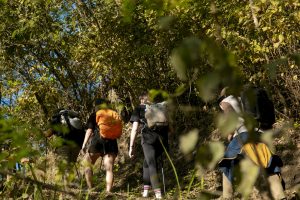
One of the most underrated natural moments on the Inca Jungle trek is the long transition as the landscape shifts toward the Urubamba Valley. The trail moves through slopes, valleys, and thick green hillsides where the jungle and mountains overlap.
This is where the scenery feels layered rather than dramatic. You’ve got rivers cutting through the valley floor, steep green walls rising on either side, and the sense that you’re being funneled toward something important (which you are). The vegetation grows denser, the air heavier, and the route starts to feel purposeful.
Why It’s A Natural Wonder
Because these transition zones don’t get the credit they deserve. They’re where ecosystems blur together, and where the trek quietly shifts from adventure route to Machu Picchu approach.
Small Tip
This is a great section to lift your eyes from the trail and look ahead rather than down. The scale of the valley only really lands when you stop focusing on your feet.
10) Machu Picchu And Its Unbelievable Natural Setting
Finally comes Machu Picchu. Yes, we know it’s human-made, but the natural setting is half the reason it feels so unreal. The site sits in a dramatic mountain bowl, with peaks like Machu Picchu Mountain (3,000 m / 9,843 ft) and Huayna Picchu (2,720 m / 8,924 ft) towering nearby.
Why It’s A Natural Wonder
Because the geography is outrageous. The Incas didn’t just pick a pretty view. They picked a setting that feels like the world’s most dramatic stage design and made it work. It’s architecture that works with nature, not against it.
Bonus Natural Moment
Entering early to catch sunrise lighting up the mountains and massive stone structures is one of those travel memories that sticks. For life.
How To Get The Most Out Of These Natural Wonders
We’re sure you think these parts of the trek sound incredible, and they are. Here’s how to enjoy them to the max:
Go In With The Right Expectations
This trek is a mix of adventure and nature. You’ll be moving through multiple climates and landscapes, not just along one pretty trail.
Pack For Temperature Whiplash
You start high and cold-ish, then head into warm jungle conditions. Layers matter, but so does not overpacking like you’re moving house.
Let Someone Else Handle The Logistics
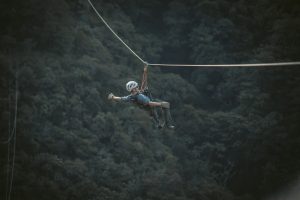
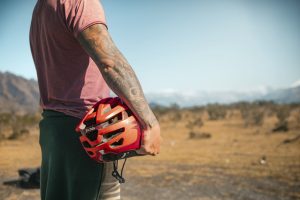
The route includes multiple moving parts (biking, hiking, rafting, ziplining, transfers, and entry for Machu Picchu). If the goal is to actually enjoy the scenery instead of managing chaos with a sweaty forehead, booking a properly run trek is the obvious way forward.
Ready To See All Ten In Real Life?
Reading about these places is fun. Being there is even better, especially when the days are mapped out well, the gear is sorted, and the only thing left to do is show up and have a whale of a time.
The Inca Jungle trek has it all: high Andes, cloud forest, jungle valleys, hot springs, roaring rivers, a bunch of adrenaline-filled activities, and that final Machu Picchu reveal. When you’re ready, lock in the dates and book a trek that runs this route smoothly, so the only surprises are the good ones.

You might also like
Leave A Reply