
Most people show up to the Inca Jungle trek expecting bikes, rafts, maybe a zip line, and Machu Picchu at the end. What they don’t always think about is the terrain that ties all of that together, especially the section we tend to call the high jungle.
On the classic 4-day Inca Jungle itinerary, the route starts high (over 4,000 meters by Abra Málaga), then drops steadily downward into warmer, greener country before finishing in Aguas Calientes near Machu Picchu. That descending part is exactly what the high jungle is. It’s a band of landscape where Andean mountain slopes give way to lush vegetation and tropical wildlife.
This isn’t “the jungle” way down near the Amazon, but it’s a jungle by Andean standards, and it’s wetter, greener, and biologically busier compared to the high mountain passes you left behind.
Table of Contents
Where The High Jungle Shows Up
On the 4-day Inca Jungle itinerary, the high jungle starts appearing on Day 1, as soon as you descend from the high point near Abra Málaga. The drop in altitude is obvious as the climate and surroundings get warmer, greener, and a lot less exposed, and fast.
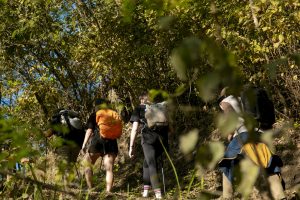
From there, the high jungle really settles in over Days 2 and 3. During these days, you move between Santa Maria, Santa Teresa, and Lucmabamba, walking through coffee farms, following rivers, and sticking mostly to shaded trails instead of open mountain slopes.
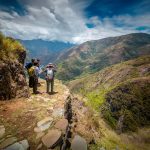
This is the core high jungle stretch. Think taller plants, thicker vegetation, humid air, and terrain that feels more agricultural and lived-in than the alpine region. It’s the part of the trek where the jungle is the main setting, hence the name Inca Jungle.
What The High Jungle Actually Looks Like
It’s incredible how a drop in altitude of a couple of thousand meters can visibly change the landscape so much. Expect:
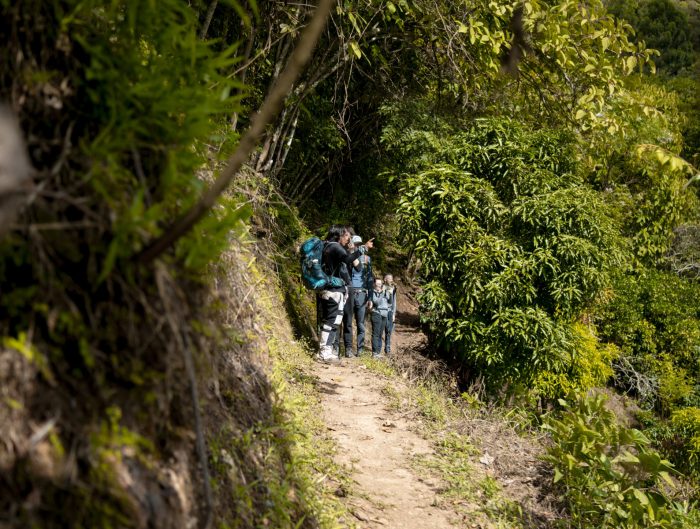
- Greener slopes: Lots of broad-leaf plants, ferns, and dense roadside vegetation that climbs right up to the trail.
- Trees with character: Taller, leafier trees appear here compared with the scrubby bushes and bunches of grass at higher altitudes.
- River valleys: Tributaries and streams cut their way down the slopes, and you’ll often be hiking alongside them, especially on Day 3.
- Shade that matters: Around midday, the canopy shade here is genuinely welcome to all trekkers, offering less glare and more shelter.
This isn’t a deep rainforest, but it’s certainly lush.
The high jungle also overlaps with human landscapes of coffee farms, small rural plots, jungle roads, and occasional family plots you pass on foot. Those cultivated patches and wild growth blend in a way that feels organic.
Weather And Trail Conditions In The High Jungle
Once you’re in this altitude band (roughly between 1,500 and 2,500 meters, depending on the slope), the weather is prone to quick mood swings:
- Temperature: Noticeably warmer than up at Abra Málaga. You’re unlikely to wear layers all the time.
- Moisture: It’s generally more humid. Light rain showers are common, and the paths can get a little slippery if they’ve had recent rain.
- Trail surface: Dirt and stone, with occasional patches of mud or water after rain. Good shoes with grip matter here.
This isn’t high-altitude cold, nor is it full rainforest rain. It’s something in between that benefits from sturdy boots and a willingness to adjust pace for slippery ground.
Things You Actually Do In The High Jungle
This is where the Inca Jungle trek does its “multi-experience” thing. In practice, that means:
Day 1:
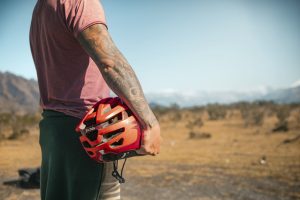
- You put on your helmet and mount your bike to ride downhill from the cold mountain pass toward your first experience of the high jungle. The scenery drastically changes as you go.
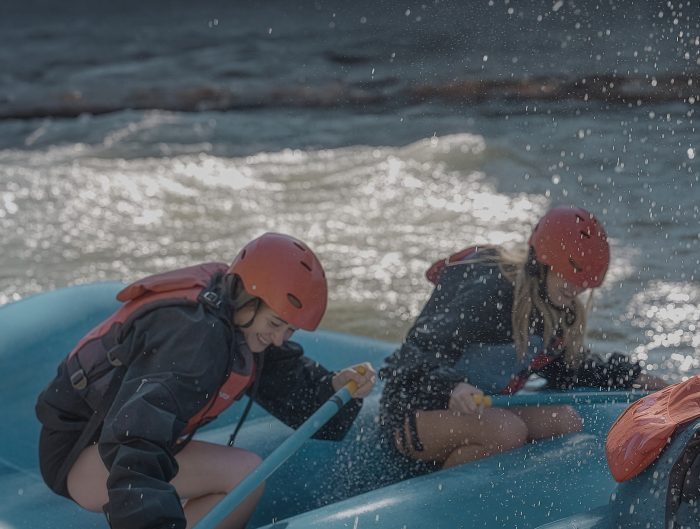
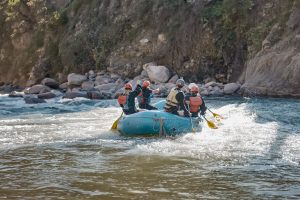
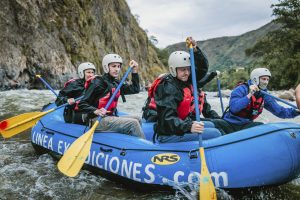
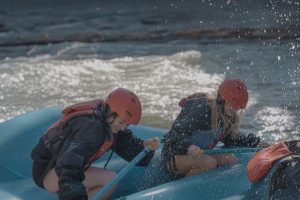
- This afternoon, you’ll swap your helmet for a life jacket as you witness the high jungle from a different viewpoint, the river, as you get soaked on the rapids.
Day 2:
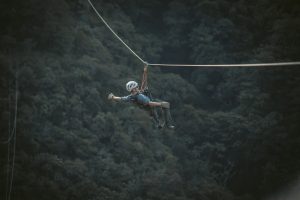
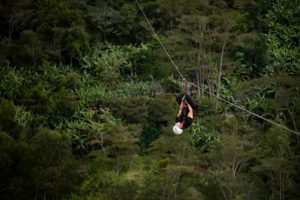
- You’ll be moving from Santa Maria toward Santa Teresa. This stretch is part of the greener terrain but also where you zipline over the canopy and take advantage of the landscape and water systems that shape the high jungle.
- Soak your sore muscles this afternoon in the soothing hot springs at Cocalmayo while you’re surrounded by mountains and lush greenery.
Day 3:
- Your trek through Lucmabamba and toward Hidroelectrica takes you deeper into the greener slopes.
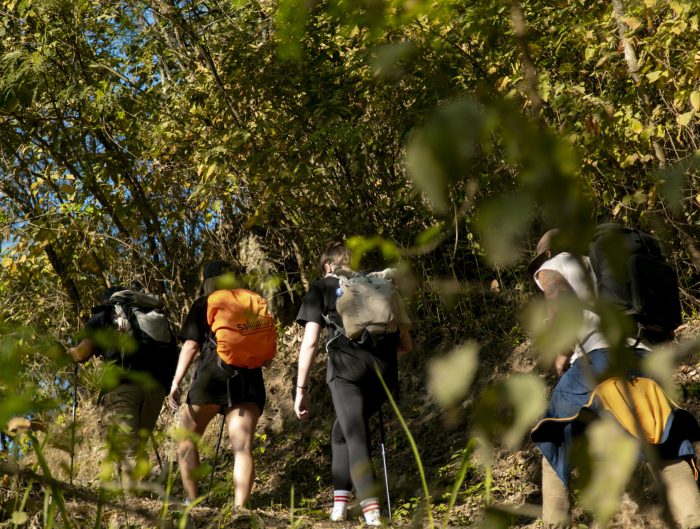
- You’ll pass local farms, cross small streams, and walk beneath tree cover that feels more jungle than highland.
- Along the way, you visit a coffee farm, which is a great example of the high jungle being both natural and cultivated.
In short, this isn’t a straight ‘go from A to B’ section. It’s where scenery, activities, and local life intersect.
Wildlife And Vegetation To Actually Notice
You won’t need to turn this into a “must-see bucket list,” but a few things are worth paying attention to:
- Birdlife: More diversity than higher up, with calls and movement in the trees becoming more frequent.
- Insects: This is a warmer, wetter country, so expect bugs that love a bit of moisture and shade. Bring your repellent!
- Plants: Look for coffee bushes tucked into slopes, and vines that peek over trails.
What Awaits After The High Jungle
By the time you reach Hidroelectrica, the high jungle starts to fade. The trails open up, the train tracks appear, and the route feels a little less wild and a little more organized. The coffee farms, rivers, and large amount of shade quietly fall away behind you. You’re edging back toward civilization now, but still very much in warm, green territory.
It’s a subtle shift rather than a hard stop. One minute you’re walking shaded jungle paths, the next you’re following the railway line toward Aguas Calientes, with the noise and movement that comes with it. The trekking gets simpler, the surroundings feel busier, and the focus starts to narrow.
From here, it’s a short run to town and then on to Machu Picchu the following day. The high jungle’s time to step aside has come, having done exactly what it was meant to do: add warmth, variety, and a few muddy memories before the final chapter of the trek. What a journey, we think you’ll agree.

You might also like
Leave A Reply