
There are plenty of hikes in Peru that are beautiful. There are also hikes that are historic. Then there’s the Inca Jungle trek, which casually throws an array of ecosystems, multiple climate zones, and a crash course in Andean culture and history into one unforgettable journey.
This trek doesn’t pick a lane and stay there. It starts high in the Andes, drops into cloud forest, wanders through coffee farms, and finishes with jungle heat and ancient stonework. It’s a mash-up in the best way. And for travelers who want more than just mountain views, it’s a deep dive into one of the most diverse ecosystems in South America.
Below, we break down what makes this trek such an ecological rollercoaster and why it’s one of the most underrated ways to reach Machu Picchu.
Table of Contents
A Trek That Refuses To Stay In One Ecosystem
Most classic Andean treks stick to one main environment or theme, like big mountains, cold nights, and dramatic peaks. The Inca Jungle trek doesn’t. Not even in the slightest
Over a few days, the route moves from the chilly Andean Mountain passes down toward the edge of the Amazon Rainforest, passing through zones that feel like entirely different countries.
One morning, you’re pulling on layers to fight alpine wind. A couple of days later, you’re hiking in shorts, surrounded by banana trees and the sound of insects that definitely didn’t get the memo about personal space.
That constant change is the whole point. The Inca Jungle trek shows how dramatically the land changes in a short distance and how life adapts at every level.
Microclimates: Why The Weather Changes Every Few Hours
One of the most surprising things about the Inca Jungle trail isn’t the distance you cover. It’s how quickly everything changes around you. Even when you know it’s going to happen, it still takes you by shock.
Thanks to dramatic elevation shifts, the trek passes through a series of microclimates packed tightly together. Temperature, humidity, and weather patterns can shift in the space of a few hours, sometimes even faster. You might start the day cold and dry, hike into mist by midday, and end it warm and damp with jungle air clinging to your clothes. Sounds like we’re making it up? We’re not.
These microclimates are the reason the landscape feels so varied. They create pockets where certain plants, animals, and crops can thrive, even if conditions a few kilometers away are completely different. It’s also why packing layers isn’t optional. It’s basic survival.
What looks like unpredictable weather is actually a finely tuned system shaped by altitude, sun exposure, wind, and water. Once you understand that, the constant change stops feeling chaotic and starts feeling impressive, like Mother Nature is putting on a show and you’ve got front row seats.
Life At High Altitude: Where It All Begins
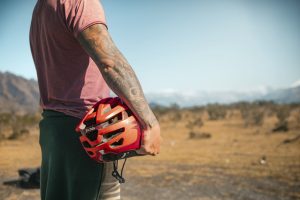
The trek starts in classic Andean terrain as you mount your bikes for the downhill ride. Think steep slopes, wide valleys, and air that politely reminds you you’re not at sea level anymore. Seriously, make sure you take precautions for the altitude to enjoy your trip to the max.
Up here, survival is about efficiency. Vegetation stays low to the ground and is tough. Grasses and shrubs are built to handle cold nights, strong sun, and thin air. Llamas and alpacas graze like they’ve solved the meaning of life. Humans learned to do the same.
This is where you see the roots of Andean culture in small farming communities, traditional clothing designed to withstand temperature swings, and crops like potatoes that thrive where others fail. This zone is a masterclass in resilience and nothing here wastes energy.
And just when you’ve adjusted to it, the landscape starts to soften.
The Cloud Forest: Where Everything Turns Green And Moody
As the trail descends, dry mountain air gives way to mist. Welcome to the cloud forest. The most quietly dramatic part of the trek.
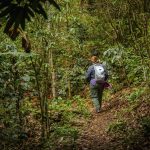
Here, humidity rises, moss takes over, and plants seem to grow on top of other plants just for fun. Orchids cling to trees. Ferns explode out of nowhere. Butterflies appear alongside you.
This ecosystem is one of the most biodiverse in Peru, and it’s fragile. The constant moisture creates ideal conditions for life, but also means small changes in climate can have big impacts. Walking through it feels a bit like sneaking through an enormous private greenhouse.
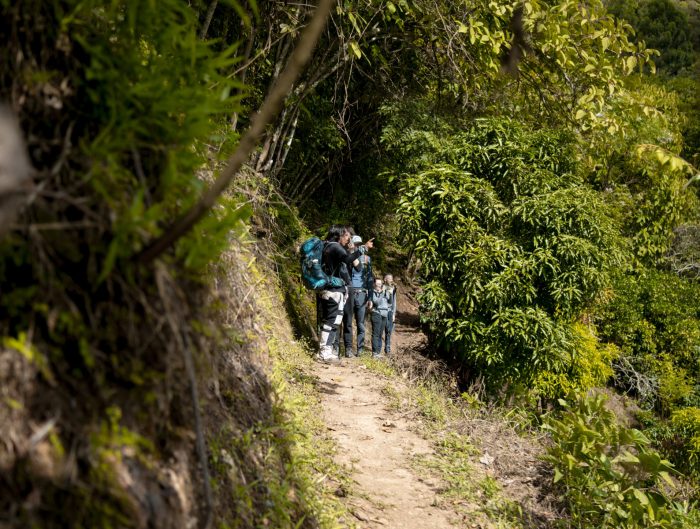
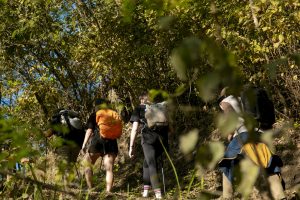
It’s also where the trek starts to feel more intimate. Trails narrow. Forest closes in. You stop hiking through scenery and start hiking inside it.
Plants With Purpose: More Than Just Decoration
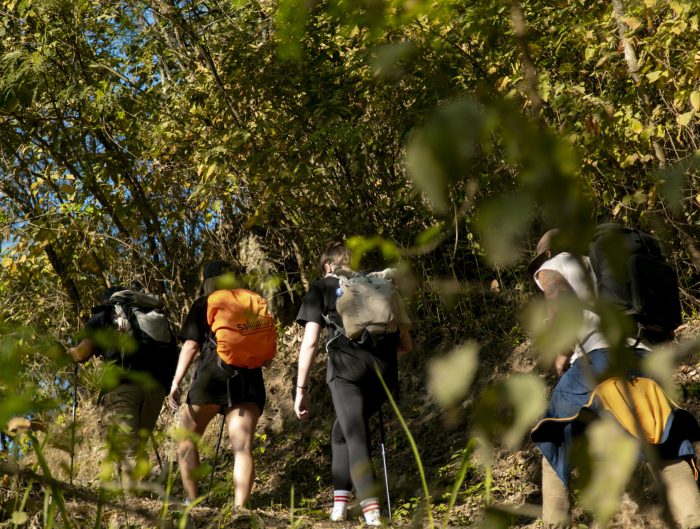
The deeper you go into the cloud forest and jungle, the greater variety of foliage you discover.
Many species along the Inca Jungle trek have practical uses that go back centuries. You’ll see leaves used to soothe stomach issues, roots brewed into teas for altitude adjustment, and bark and sap used for everything from cuts to headaches. Centuries ago, long before pharmacies, this landscape was the medicine cabinet.
Then there are the agricultural plants that shape daily life and the local’s diet. Coffee and cacao aren’t novelty stops on a trek for these communities. They’re a way of life. Fruit trees grow where they’re needed, not where they look best. Everything has a role, and nothing is wasted.
Without a knowledgeable guide, most trekkers would walk past these plants without a second thought. With the right explanations, the trail turns into a living lesson in how humans have learned to read and rely on the land.
It’s humbling. And it makes you realize how much modern life has forgotten these roots.
The Real Jungle: Warm, Loud, And Full Of Flavor
Then comes the jungle proper. It’s louder, warmer, and far more relaxed about personal boundaries.
This is agricultural country, where the land provides for those who live there year-round. Coffee plants line the trail. Cacao grows where it pleases. Avocados, citrus, and bananas aren’t specialty items. They’re just what grows here.
Local farmers still work the land like their families have for generations, blending traditional knowledge with modern needs. Many communities here depend on sustainable farming, and trekkers passing through help support that balance.
This part of the Inca Jungle trek often surprises people the most. It’s not untouched wilderness but rather a lived-in ecosystem. One where humans, plants, and wildlife have learned to coexist.
Local Communities: Living Inside The Ecosystem
This part of Peru isn’t a remote wilderness untouched by people. It’s a working landscape, shaped by generations who understand its rhythms and quirks better than any weather app ever could.
Small communities along the Inca Jungle route farm in ways that suit the terrain rather than forcing it to do things their way. Crops are rotated. Hillsides are respected. Forest cover is often preserved because everyone knows what happens when it disappears.
Daily life here is closely connected to the ecosystem. Planting schedules are decided by rainfall patterns. Harvests depend on altitude. Even buildings change with the humidity and heat. Everything is tied together. Nothing exists by itself.
For trekkers, passing through these areas adds context. You’re not just moving through the environments but seeing how people live within them. It’s a reminder that sustainability isn’t a hot topic here. It’s just how things have always worked.
Rivers, Roads, And Natural Corridors
Water shapes everything on the Inca Jungle trek.
Melted runoffs from the glaciers feed rivers that wind down toward the Amazon basin. These waterways act as natural spots for wildlife and were vital routes for ancient trade and communication.
Even today, trails tend to follow rivers for a reason. Water brings life, fertile soil, and movement. It’s a reminder that long before roads and railways were laid, geography decided where people could go.
Ancient Paths And Ecological Intelligence
The Incas didn’t build trails randomly. They understood ecosystems in a way that modern planners still admire.
Sections of the Inca Jungle trek overlap with ancient routes that were designed to move people and goods between different environments and locations. These paths avoided landslides, respected water flow, and connected ecological zones with great precision.
Arriving at Machu Picchu after seeing how the land changes along the way adds context to your visit. This wasn’t an isolated city. It was part of a whole network that stretched from the high Andes into the jungle below.
Suddenly, the stonework makes even more sense.
Conservation Challenges: Why This Ecosystem Needs Care, Not Crowds
The same biodiversity that makes the Inca Jungle trail so special also makes it vulnerable.
Cloud forests are some of the most fragile ecosystems in the Andes. Even small changes in temperature or rainfall can upset plant and animal life that depend on very specific conditions. Lower down, jungle areas face pressure from deforestation, road expansion, and poorly managed tourism.
Climate change adds another layer of uncertainty. Glaciers get smaller and melt, water sources shift, and weather patterns become harder to predict. These changes channel outward, affecting farming, wildlife, and entire communities.
This is where responsible tourism matters. Choosing routes that respect local regulations, supporting communities rather than simply passing through them, and trekking with environmental awareness all help reduce impact. When done right, tourism becomes a reason to protect these landscapes instead of exploit them.
Walking through such a complex ecosystem makes one thing clear. This place doesn’t need more foot traffic. It needs thoughtful travelers.
Wildlife You Don’t Need A Nature Documentary To Notice
No, this isn’t a safari. But the variety of wildlife on show is hard to miss.
Birdlife alone is a highlight. These guys are bright, loud, and completely uninterested in staying quiet for photos. You might spy hummingbirds, parrots, and toucans depending on the season. If you’re really lucky, the handsome Andean cock of the rocks might make an appearance.
Insects are everywhere, too, doing important ecosystem work and occasionally testing your patience. Don’t forget your repellant.
Mammals tend to be more discreet, but they’re there.
Our guides often point out small details that help spot highlights along the route, like tracks, sounds, and plants used for medicine. Most people would walk straight past if they weren’t given a hint. Once you start noticing those details, the trek becomes much richer.
Why The Inca Jungle Trek Feels Different From The Rest
What sets the Inca Jungle trek apart isn’t just the scenery. It’s the contrast.
Few routes let you experience such a noticable ecological shift in such a short time. One day you’re battling altitude. The next you’re dodging jungle humidity. It keeps the body on its toes and the brain engaged.
It’s also more social, more flexible, and less rigid than some traditional treks. There’s room for curiosity, local interaction, and moments that feel spontaneous rather than scripted as you choose how you want to travel.
For travelers who want adventure with variety and a better understanding of how Peru’s landscapes connect, this trek delivers.
Is This The Right Trek For You?
If you love pure high-altitude trekking and nothing else, there are other routes that keep you firmly in the mountains. But if you want the following, the Inca Jungle trek makes a lot of sense:
- Diverse landscapes
- Living culture along the trail
- A mix of nature, history, and daily life
- A journey that feels dynamic rather than the same day in day out
It’s especially good for people who like learning as they go, whether that be about about ecosystems, agriculture, or how ancient civilizations worked with the land instead of against it.
From Mountains To Jungle, With Purpose
The journey from the Andes to the jungle isn’t just a change in scenery. It’s a lesson in connection.
Every step shows how ecosystems overlap, how communities adapt, and how ancient knowledge still shapes modern travel routes and daily life in the area. The Inca Jungle trek doesn’t rush you along but lets things unfold naturally, one environment at a time.
For anyone looking to experience Peru as more than a postcard, this trek offers something rare through depth, diversity, and a sense that the land itself is part of the adventure.
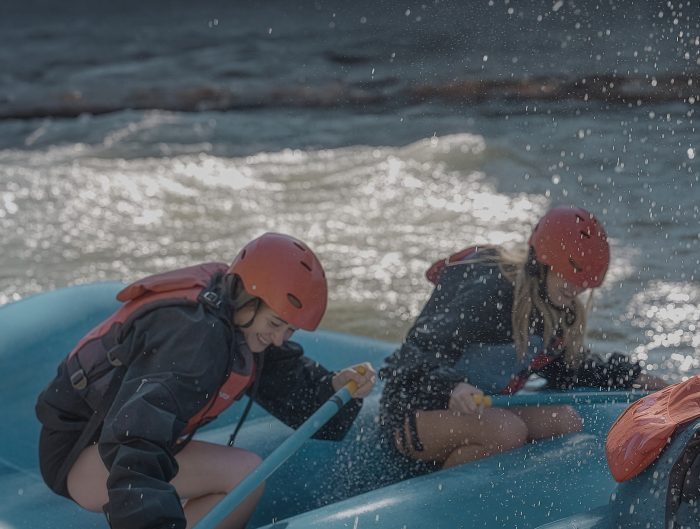
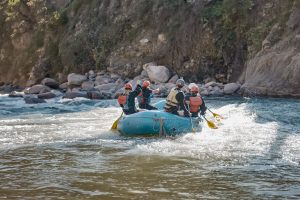
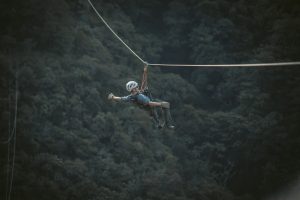
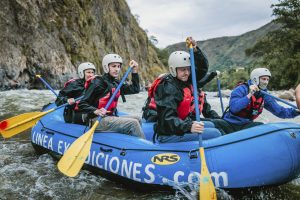
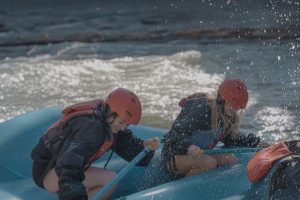
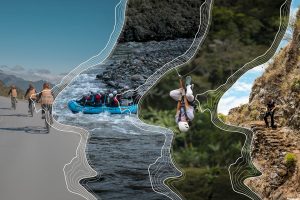
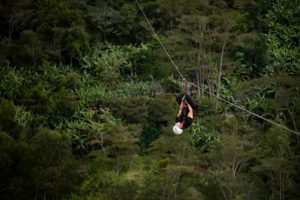
And once you’ve walked it (or rather biked, rafted, and ziplined it), the idea of choosing just one ecosystem suddenly feels a bit limiting.

You might also like
Leave A Reply