
In this essential guide, you’ll find all the items you need and a breakdown of crucial items by season and region.
You’ve decided to join us on an exciting trek through the Peruvian Andes!
We’re sure you’re excited and can’t wait to get on the trail. But first, you need to ensure you take everything you’ll need along the way. Well, you’re in luck…
We’ve put together the ultimate Trekking Peru packing list to help you prepare for your incredible outdoor adventure in one of the most stunning regions of South America.
Below, you’ll find detailed descriptions of every single piece of kit you need to enjoy a safe and successful trekking trip. These are our personal recommendations on gear that we own and use to trek comfortably time after time. We believe these recommended gear items provide the best value for money and deliver the best performance.
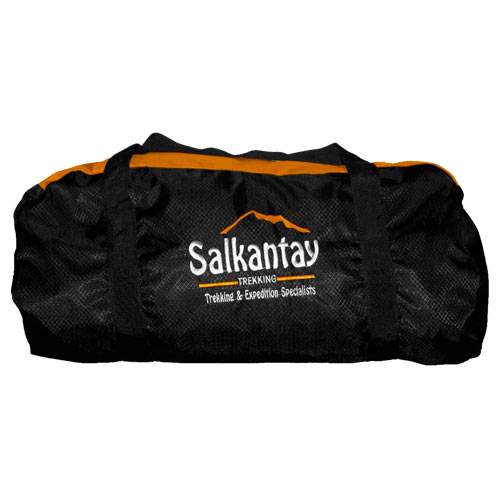
The evening before you start your trek, we’ll give you a small duffel bag to pack your clothes and other items for the duration of the trek. You’re allowed up to 7 kg (15.4 lbs) in weight.
Our horseman will carry your duffel bag for you, together with the food and camping gear, along the entire route. It’s important to note that you won’t have access to your items in the duffle bag until the end of each day at the campsites—the horsemen and horses will always be ahead of the group.
During the day, you need a backpack big enough to carry your personal belongings—a warm jacket, raincoat, camera, sunscreen, snacks, water, etc. A 30-liter backpack is usually sufficient.
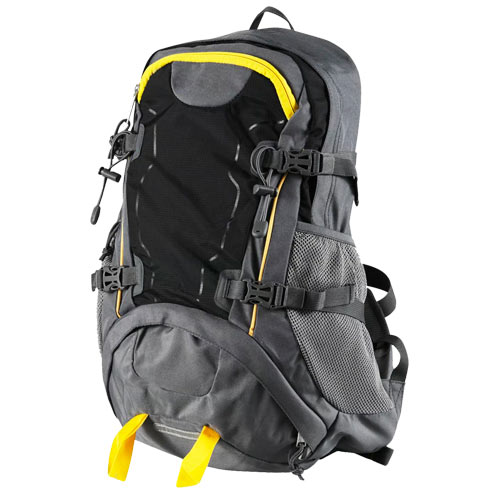
Along our routes, a porter or mule will usually be carrying your duffel bag or large rucksack. This means you need to carry a lightweight daypack for essentials—snacks, water, a camera, sunscreen, etc.
We suggest a backpack with compression straps to reduce weight stress on your back and side mesh pockets for quick access to your water bottle. The Osprey Talon is our recommended backpack.
It’s important you bring a rain cover for your rucksack as you never know when there’ll be a downpour in the Andes. If you decide to use an Osprey backpack, then make sure you get an Osprey Raincover that matches the bag size for a snug fit.
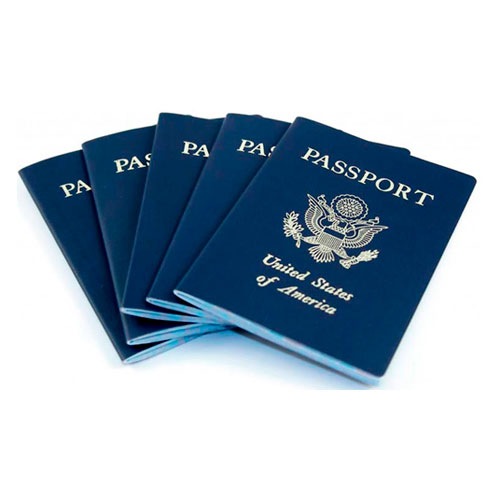
Of course, you need your passport to get into Peru, but you’ll also need it when you embark on a trek. There’s an official government checkpoint at the start of the trail that enforces strict limits on how many visitors can walk it daily, and every foreigner beginning a trek must show their passport.
In addition, if your trek is ending in Machu Picchu, you won’t be allowed into the site without it. Ensure your entrance tickets have the exact passport details on them; otherwise, this can cause issues.
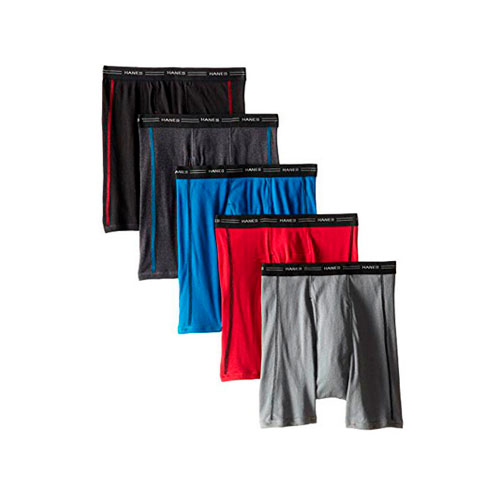
The first and most important layer is your underwear. To aid you in comfort with all the hiking, we recommend bringing 4–6 x pairs of breathable sports underwear.
We’re big fans of Icebreaker underwear, Adidas sports underwear, or Under Armour underwear, as these brands specifically focus on manufacturing products that can cope with sweat from high-intensity exercise and sports.
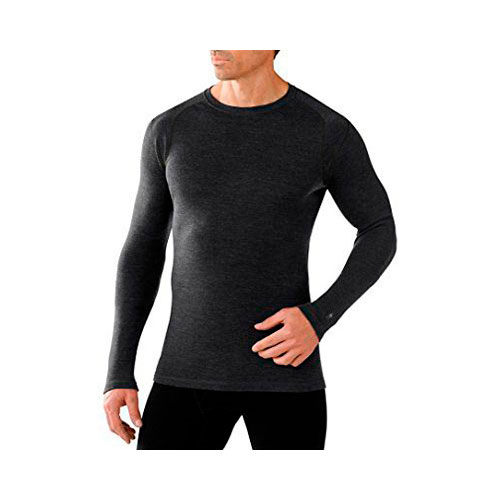
The base layer, or the next-to-skin or first layer, is extremely important on the higher parts of the Trek where it can get very cold and sometimes below 0°C.
The best first layers fit snugly to the body (reducing air pockets and flow) and consist of high-wicking materials to facilitate moisture transfer.
We recommend getting 2 top base layers and 1 bottom base layer to last you through the first two days.
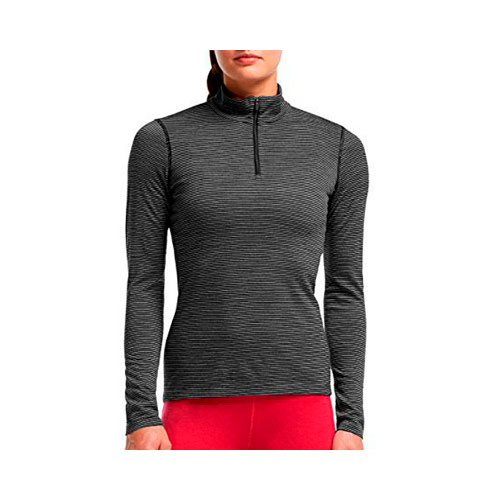
You’ll need to bring 4–7 trekking shirts—depending on whether you’re doing a short or long trek. We recommend these breathable and lightweight shirts from Hanes. Alternatively, shirts from Icebreaker or Columbia are also of great quality.
Don’t bring cotton shirts, as they absorb moisture and can make you feel very uncomfortable. A mixture of short and long-sleeve shirts is recommended for the differing climates.
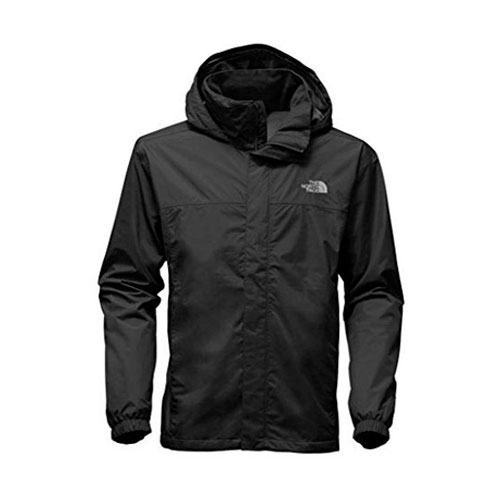
Rain is always possible when trekking in Peru, particularly during the rainy season (October-March). You should bring a hard-shell jacket for ultimate protection when it’s wet, like the North Face Resolve Jacket.
It’s also worth taking a compact rain poncho that can quickly be put on should you encounter a light downpour—especially useful for the jungle.
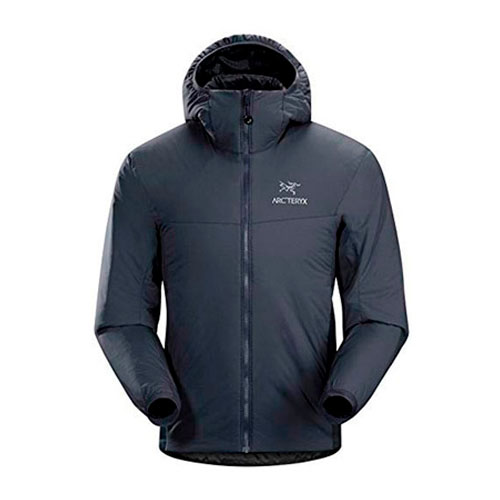
The outer, or third, layer consists of a windproof, waterproof, and, most importantly, warm jacket and trousers. These will be used on the upper sections of the trek, where it gets very cold.
We highly recommend getting a high-quality jacket, as it’s one of the few key items that’ll help keep you warm and comfortable along the route. We suggest the North Face Nuptse Jacket— which is a market-leading winter jacket—but there are many synthetic alternatives that are also effective.
In terms of warmth and weight, the Nuptse is exceptional. The Nuptse is a lifetime investment as the jacket will last years of active trekking and double well as a winter jacket in the city. Other top jacket brands include Patagonia Down Jacket, Arc’Teryx Atom, and Mountain Hardwear Down Jackets.
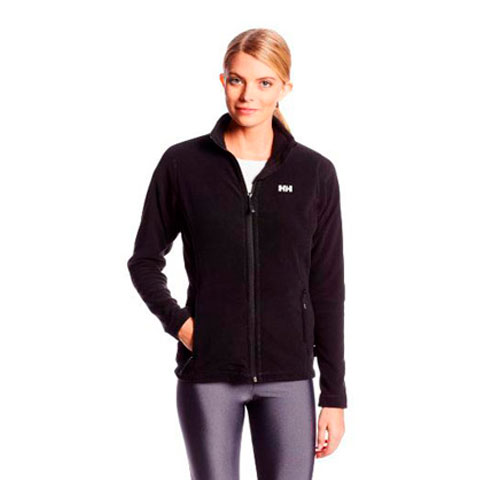
The second layer, or the insulation layer, should be made of fleece.
We recommend a Polartec 200 Fleece Jacket. These insulation jackets are extremely good for hiking as they provide a great warmth-to-weight ratio whilst allowing effective moisture transfer. The Polartec 100s are lighter but not warm enough for the Salkantay Trek, whereas the Polartec 300s are too heavy, in our opinion.
Recommended fleece brands included Helly Hansen, The North Face, and Patagonia.
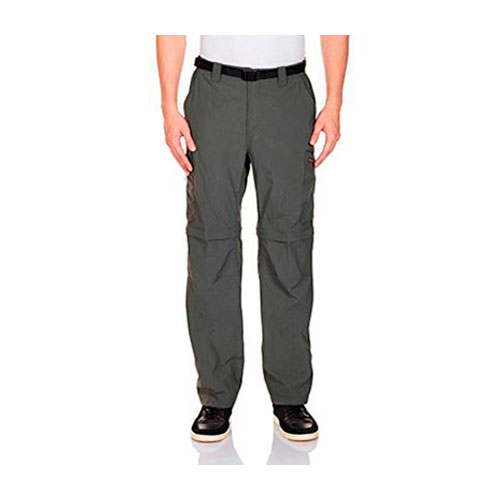
You’ll also need to pack hiking shorts and pants. There are many brands to choose from, but we recommend Craghoppers, Columbia, or O’Neills.
You can go with convertible pants like this Craghoppers trekking model. Not only will they save you money as you won’t need to buy shorts, but they are also very comfortable.
Bring two pairs of pants and one pair of shorts.
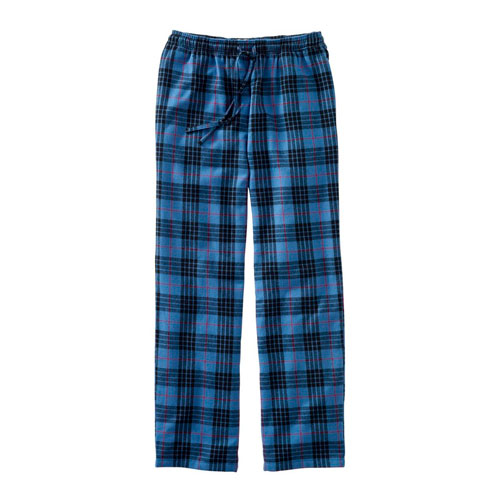
Whether you use sweatpants or pajama pants, they are recommended for unwinding at the campsite and getting cozy in bed. It gets chilly at night, so opt for warm, long pants.
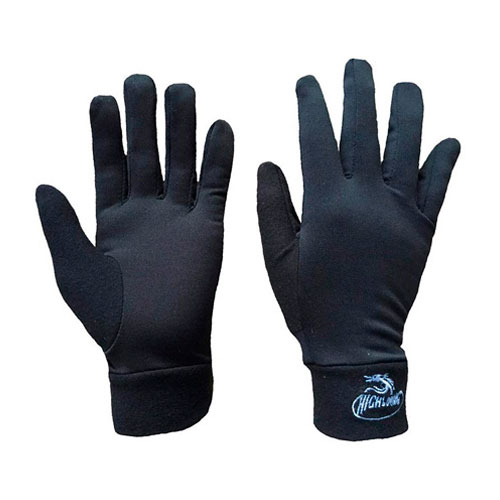
An inner glove serves as your next-to-skin layer, like the base-layer clothing we described above. You should bring a lightweight, quick-drying inner glove, ideally made of fleece.
We recommend the Pearl Izumi Thermal Lite Gloves, which can also be used as standalone gloves in moderately cold weather. Karrimor is another quality brand.
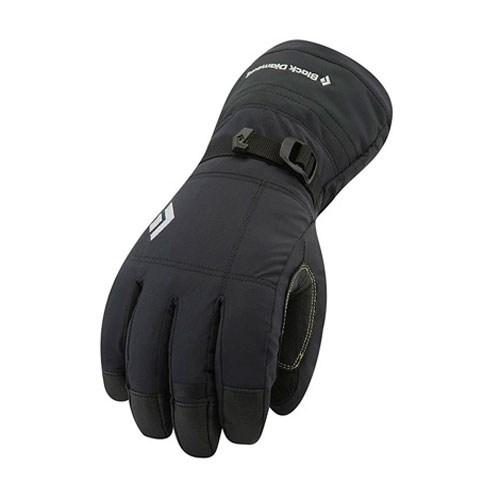
Outer gloves are like your outer-layer jacket—they act as a shield against the cold and must be very warm, waterproof, and durable. Gore-Tex gloves from Dakine or similar options from The North Face, Outdoor Research, or Black Diamond are recommended.
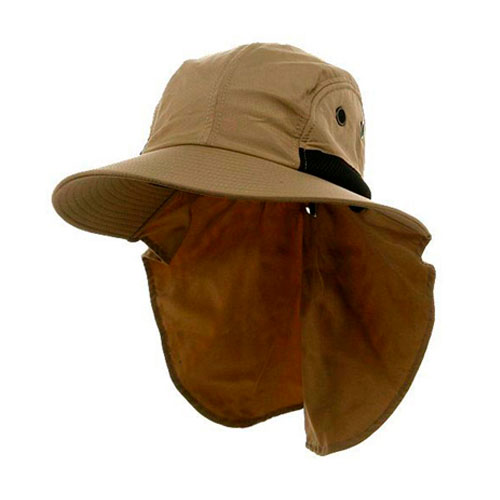
You must bring a hiking hat that protects your face and neck from the glaring sun. At high altitudes, it’s easy to get burnt in just a few minutes.
Your hat should be lightweight and easy to bend/fold so it fits in your backpack or rucksack. Trekking hats with a neck cover are great for ultimate protection.
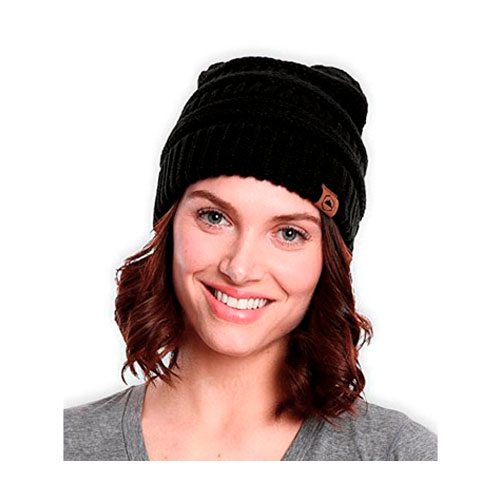
Temperatures can get very cold in the evenings and early mornings, particularly as you reach the higher altitudes on the Salkantay Trek or head out on the Ausangate trails.
A warm fleeced beanie or fleeced headband is an absolute must-have. Berghaus and The North Face provide some fantastic beanies for trekking in the cold.
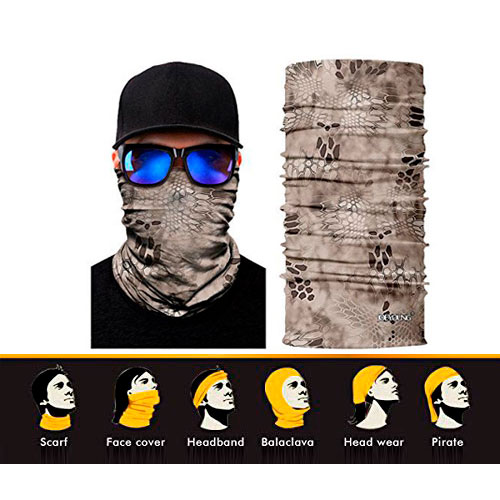
A neckband or balaclava that can keep your neck and face warm when temperatures drop below freezing is also a must-have.
We highly recommend taking one fleece buff and one thin buff.
Buffs are super versatile and can be used as headbands, beanies, neck gaiters, and wristbands, as shown in the image.
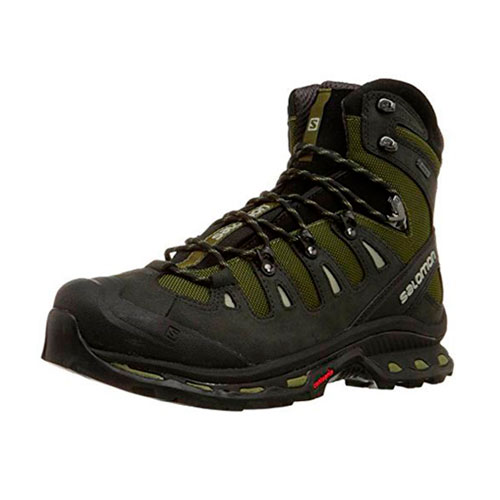
Good hiking boots are the most important piece of gear on your trek—your feet are what get you from the beginning to the end of the Salkantay Trek!
Badly fitting hiking boots will result in damaged toenails, painful blisters, and all-around sore feet.
To find the best fit, put your foot in a boot without tying the shoelaces. Once in, slide your foot all the way forward until the toes hit the front of the boot. You should be able to put your index finger down the back of the boot, between your heel and the back of the boot. If your finger has lots of room to move, the shoe is too big; if you struggle to get your index finger into the shoe, the shoe is too small.
Here are some recommended and reliable brands for hiking boots: Scarpa, Salomon (we like the Quest range), Berghaus (we like the Explorer range), Hi-Tec, and Karrimor.
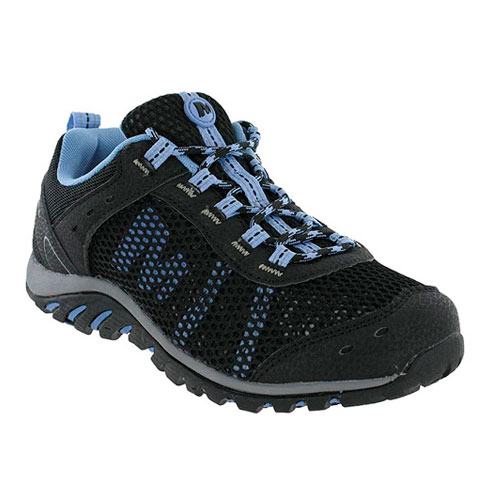
After a long day of hiking across rough terrain, the first thing you will want to do is to change into a comfortable pair of shoes. We recommend bringing trekking shoes, sneakers, or sandals. We like Merrel trekking shoes, and trekking sandals are great to wear with warm socks for optimum comfort.
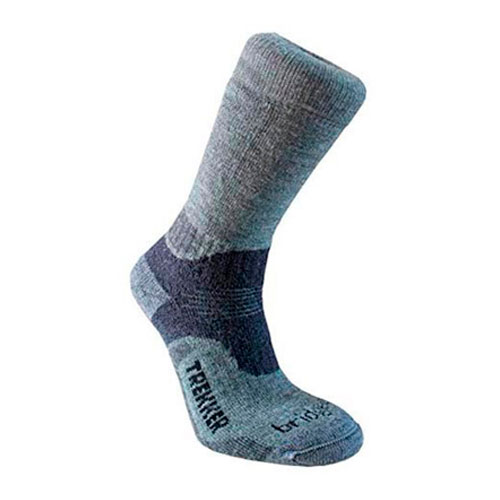
You’ll need 5–6 pairs of hiking socks and 4–5 pairs of high-wicking sock liners.
We recommend Coolmax hiking socks for their excellent breathability and wicking properties. Smartwool, Bridgedale, and Point 6 also make great socks.
Don’t bring cotton socks, as they can cause nasty blisters and sweating.
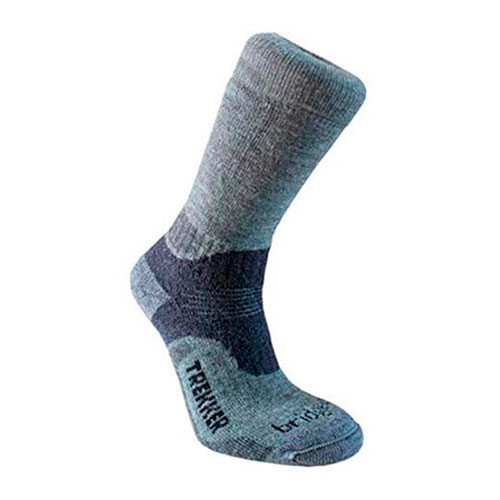
Bring 1 or 2 pairs of thermal socks for the cold hiking days around the upper parts of the Salkantay Trek.
We recommend Smartwool thermal socks, as they are very warm, provide great cushioning for the foot, and have flat seams (bulky seams result in blisters).
Other good brands include Wigwam and Bridgedale.
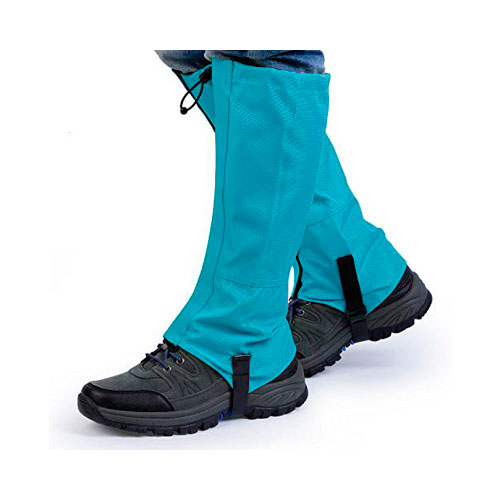
Gaiters are made from waterproof material and extend up from your boot to the top of your calf.
Gaiters are used to keep water, dust, mud, snow, ice, and small stones out of your hiking boots.
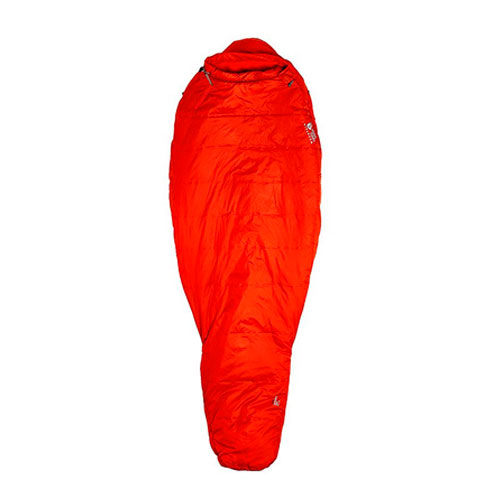
For any of our treks, you’ll need to bring a warm sleeping bag, as the nights can get very cold—occasionally below 0°C.
The best sleeping bags are made with duck or goose down, but they also tend to be the most expensive. If you’re stretched for cash, a warm synthetic alternative is fine. Just make sure that it has a rating of at least -10°C.
Look for a sleeping bag with a mummy shape and an insulated hood and drawcord so it fits the contours of your body. Two-way zippers for better insulation are great.
We recommend the following brands and models: The North Face Snow Leopard, Marmot Trestles, Mountain Hardwear Phantom Highlander, or Coleman.
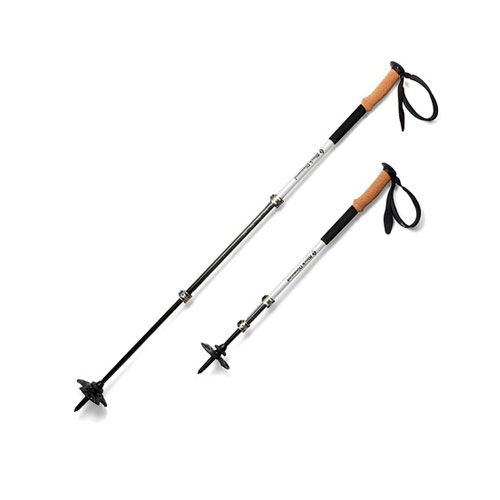
High-quality walking poles can reduce the impact on your knees and leg joints by up to 20 percent. Trekking poles are particularly useful when descending, as the load on your joints increases exponentially when going downhill.
We recommend getting lightweight (around 350 grams per pair) and adjustable trekking poles, as they are easy to store and very versatile. Black Diamond walking poles are excellent, as are Leki poles.
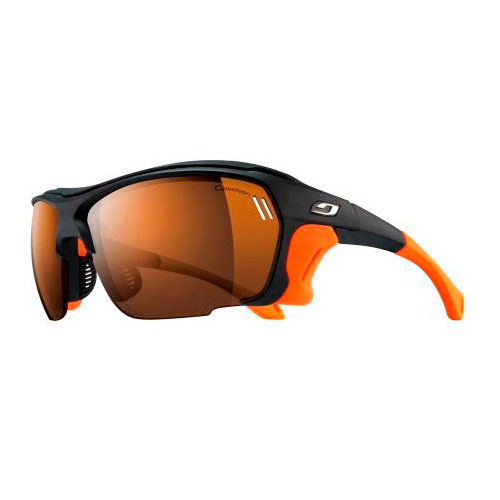
The UV intensity in Cusco, Peru, is very high due to the high altitude and glare from the snowy mountain peaks.
You should bring a quality pair of UV-protection sunglasses (at least 80% light reduction). We recommend mountain sunglasses from Julbo.
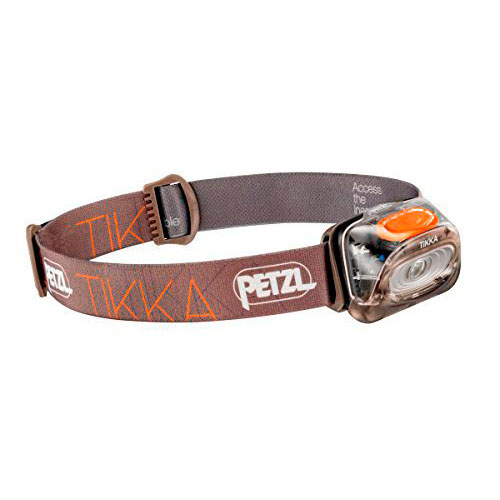
You won’t be hiking at night, but you might need to go to the toilet in the dark or want to read before bed. Many of the teahouses and campsites are poorly lit or have no electricity at all, so extra lighting is very helpful.
Petzl Tikka is the best headlamp brand. Don’t forget to bring spare batteries as well.
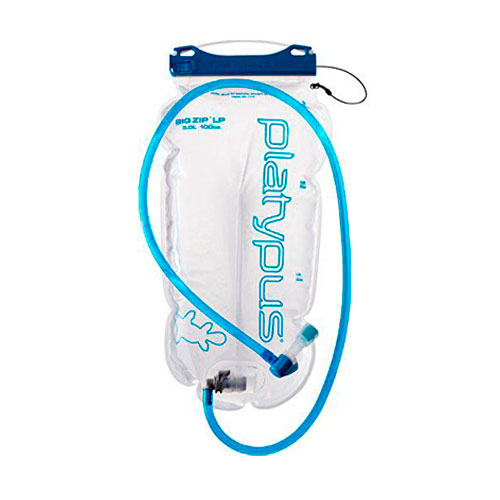
Many people suffer from dehydration at high altitudes. You should aim to drink 2–3 liters of water a day. Heatstroke and dizziness are common among dehydrated trekkers and could cause you to miss the rest of your hike.
Water can be carried in a standard water bottle—we recommend getting 2 x 1 L Camelbak Water Bottles.
Or, if your daypack includes space for a hydration bladder, then the 2L Platypus Hydration Bladder is an excellent product.
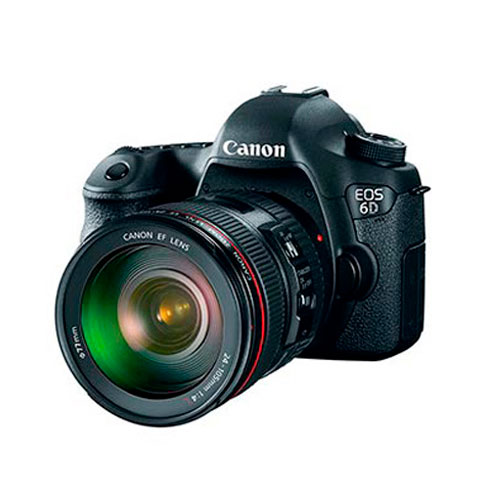
The scenery in Cusco, Peru, is amazing! You’ll definitely want to capture your experience in HD, so if you don’t have a decent camera, now’s the time to get one.
Here are some recommended and affordable Digital SLR cameras. Remember, you want to make sure your camera is light but still able to capture high-quality images. We like the Panasonic Lumex. If you’re more inclined to take videos, then you might want to consider the GoPro.

This isn’t a must, but it is a great way to chronicle your trek so you remember every last detail.
If you plan on taking a dip in Aguas Calientes hot springs, this is a must. On some routes, there are also opportunities to swim.
A small to medium-sized hiking towel can come in very handy. LifeVentures or Discovery provides good, quick-drying trekking towels.
Along the route, there are spots to buy snacks and water. It’s also a great idea to have extra cash (S/300–S/400) in case of an emergency.
You might need to go to the bathroom during the day. You’ll need toilet paper as most toilets don’t usually provide this.
Although there are opportunities to charge devices on some treks, a portable power source is a great idea so you can charge anytime, anywhere.
To protect your belongings in your rucksack or duffel bag.
These come in handy for storing important/valuable items like your money, passport, and electrical equipment.
Can be used to flavor your water and helps replace electrolytes, improving energy levels and aiding water absorption.
Also known as acetazolamide, this medication can be used as a prophylactic (preventative) for altitude sickness. It does not cure altitude sickness and should never, therefore, be used as a method to continue ascending to high altitudes. It can, however, help prevent the onset of altitude sickness and is commonly used by high-altitude climbers and trekkers.
We recommend taking paracetamol or aspirin for headaches (a common altitude sickness symptom on the Salkantay Trek) and Immodium for diarrhea.
If you’re joining an organized trek, your guide will most likely carry a first-aid kit. If you’re hiking unsupported or independently, then a first aid kit is a must.
No one wants burnt skin or cracked lips. Be sure to bring 1 x sunscreen (SPF 50+) and 1 x lip balm.
As you get closer and closer to Machu Picchu, you’ll come across more bugs that like to bite! You’ll need this to keep them away.
For quick and easy wet washes when no showers are in sight! Bring 1 x baby wipes or body wipes.
The dreaded blisters! We recommend taking Compeed blister plasters
Great for disinfecting hands before and after eating, or when they get dirty during the hike.
We’ve already mentioned the importance of having a lightweight, quality backpack to carry the necessities in during the day. However, you might still be wondering what needs to go in there and what to put in your duffel bag. Fear not! We’ve compiled a checklist of everything that needs to go in your daypack.
To help you be the best prepared you can be, we’ve put together specific packing lists for different treks. This way, you won’t take anything unnecessary or forget an essential item.
Without a doubt, the most popular place to go trekking is on one of the routes to Machu Picchu. On these treks, you’ll tend to pass through high and very cold mountainous regions before descending into warmer rainforests.
You’ll need to take lots of things with you to be prepared for all kinds of weather and climates. The items below are based on the most common 4–5 day treks, but you can change it according to your trip if it’ll be more or fewer days.
Here’s our ultimate checklist to pack for Machu Picchu.
Another frequent hiking region is high up in the mountains. Ausangate is one of the most popular treks in this part of Peru. You’ll find the weather can get very cold as you spend a lot of time walking among the glaciers.
You’ll mainly be needing warm clothing for these treks and can do without some of the items on the previous list. Again, you can change the amount fof items depending on the length of the trek.
Here’s our checklist if you’re traveling to the colder mountain regions of Peru:
When it comes to hiking in the Andes, these are usually shorter treks and don’t go quite as high up as the colder mountain regions. This includes hikes like the Huchuy Qosqo trek. The days will usually be warm and sunny, but the evenings a little colder.
You won’t need quite as many warm items as on our previous two lists. Here’s our essential Andean trekking packing list:
Trips to the jungle, especially Tarapoto and Manu, are very popular with visitors to Peru. The climate is warm and humid, and rain is sometimes even welcome. You’ll be hiking through unique flora and fauna and spotting some rare species.
You won’t need extra warm clothes at all here. However, some relatively warm clothing is needed at night, especially during the colder months. You’ll also find there are lots of bugs around, and will need to protect yourself from them.
Here’s our ultimate jungle packing list:
