
The Inca Jungle trek is more than just something you walk and get to see pretty sights along the way. It’s something you hear.
Long before Machu Picchu comes into view, before the stonework and the photos and the big moment, there’s the soundtrack. And it starts quietly. Then it builds. Then it completely takes over.
This route moves from high mountain passes down into warm jungle terrain, and with every drop in elevation, the sounds around you change. Wind gives way to water. Silence gives way to movement. The background noise slowly grows louder. And by the time you’re deep in the jungle, it’s clear that this trek has its own rhythm.
If you’ve looked at the Inca Jungle trek online, you’ll see the highlights listed, like biking, hiking, hot springs, Machu Picchu, and loads more. What’s harder to explain is how the trail sounds. That’s what we’re here to tell you about.
Table of Contents
When The Noise Of Everyday Life Finally Drops Away
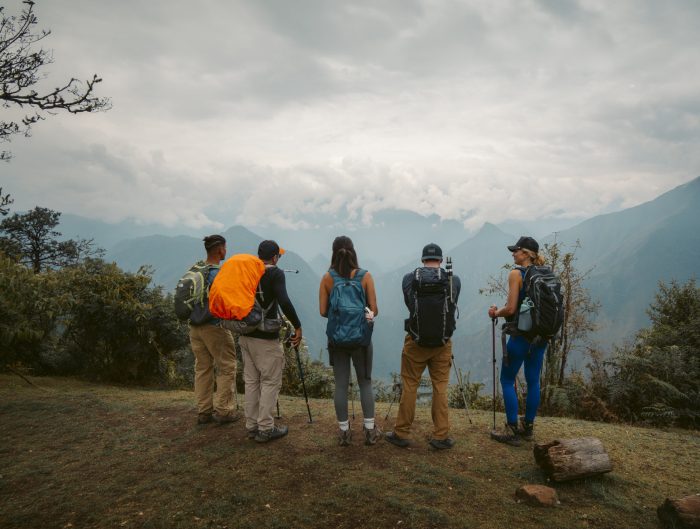
The first thing most people notice when they’ve gotten off their bikes and started to hike isn’t the jungle noise. It’s the absence of everything else.
No traffic. No notifications. No background hum of city life that you didn’t even realize you were paying so much attention to.
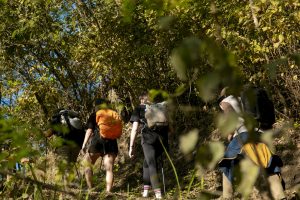
On the early parts of the Inca Jungle trek, especially as you move away from the higher passes and into quieter valleys, there are long stretches where the only sound is your boots on the trail and your own breathing. It’s not dramatic silence. It’s a grounding silence. The kind that makes you realize how loud “normal life” can be.
This quiet sets the tone for the rest of the trip. It creates space and allows you room to think and focus on enjoying the experience. And it makes what comes next feel even more special.
The First Signs Of The Jungle Waking Up
As the trail drops lower, the jungle doesn’t suddenly make itself known. It eases you in.
At first, you hear water. Rivers moving through the valley. Streams cutting across the road as you bike and then across the hiking trails. That steady, rushing sound becomes constant as you walk, sometimes close, sometimes distant, but always there.
Then come the insects. They’re soft at first. A low buzz that fades in and out depending on the time of day.
This is one of the best parts of the Inca Jungle route. The transition happens gradually rather than you being placed right in the middle. Of course, the sounds grow louder as you enter deeper, but that’s all part of the excitement and anticipation of reaching your final destination.
Birds That Are Far More Than Background Noise
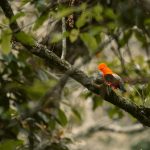
Once you’re properly in jungle territory, the birds will make sure you know they’re there.
These aren’t gentle background chirps. These are loud, confident calls that echo through the trees. Some are sharp and sudden, and others feel as though they’re enjoying ongoing conversations.
On the Inca Jungle trek, taking some time to be silent and listen to nature makes you realize you’re walking through a space that’s very much alive, with or without you.
Jungle Silence Isn’t What You Think
The jungle never truly becomes silent. What you get instead are pauses.
There are moments when the birds stop, the insects quieten down a little, and the air feels still. For a few seconds, it can feel like the volume has been turned way down.
Those moments are powerful even though they don’t last long at all. They’re the kind of silence that makes you stop walking without really deciding to. The kind where everyone else does the same thing, almost instinctively.
Then the sound creeps back in, and you know the break is over.
Wildlife You Hear Long Before You See
One of the most common questions people ask before booking the Inca Jungle trek is whether they’ll see wildlife.
The honest answer? You’re far more likely to hear it first.
Expect movement in the trees, rustling leaves, and wings beating overhead. The jungle is dense, and animals are good at staying hidden. But that doesn’t mean they’re quiet.
This adds to the experience in a way that’s hard to replicate anywhere else. You become more aware. More tuned in. You listen differently. Every unexpected sound makes you look up, scan the canopy, and slow your pace.
It turns walking into something more deliberate. Less rushed. More observant. If you’re lucky, you’ll get to see something, but often, just knowing so many living creatures are so close to you is excitement enough.
The River As A Constant Companion
Throughout the Inca Jungle trek, rivers play a huge role in shaping both the landscape and the soundscape.
Sometimes the water is calm, almost soothing. Other times, it’s loud enough that conversation becomes quite difficult.
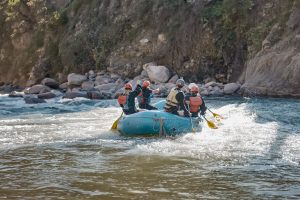
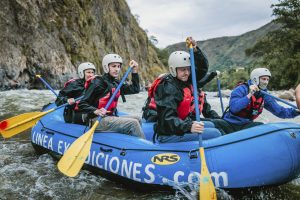
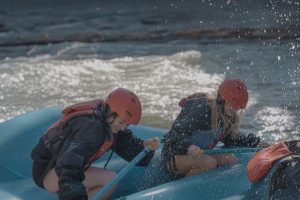
During the rafting section, the sound of the water completely takes over. The rapids are loud, fast, and impossible to ignore. This is one of the moments on the trek where silence doesn’t stand a chance.
Even when you’re not right next to the river, you can feel its presence. That low, distant rush acts like a backing track running underneath everything else.
It’s especially noticeable near the end of the day, when tired legs slow the pace, and the group naturally gets quieter.
Hot Springs And The Sound Of Letting Go
By the time you reach the Cocalmayo hot springs on the Inca Jungle route, your body is tired but in a good way. The earned kind of way.
And the sound here plays a big role too.
Water spilling into pools. Soft voices of people chatting about their experiences and locals having fun. Night insects starting to wake up around the edges. It’s a different sort of jungle soundtrack. It’s calmer, slower, and less energetic, but just as immersive.
This is where the noise of effort fades out. There are no boots on gravel. No heavy breathing uphill. Just warmth, water, and the quiet hum of the environment settling in for the night. Relaxing is an understatement.
It’s one of those moments that feels simple while you’re there and important once it’s over.
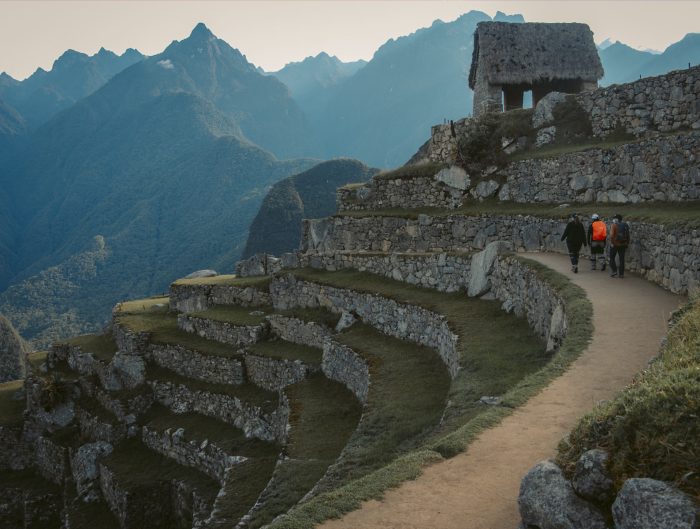
Walking Toward Machu Picchu With Your Ears Open
As the trek continues and Machu Picchu gets closer, the jungle doesn’t disappear. It just changes tone.
The trail feels more focused. The valleys become narrower. The soundscape becomes tighter and more enclosed. Birds still call out, and rivers still move, but everything feels slightly more contained, like the landscape is guiding you forward.
By this point, most people aren’t talking much. Not just because they’re tired but because listening has taken over.
The Inca Jungle trek has trained you to pay attention to the noises around you, and it’s hard not be thankful.
Why This Is Part Of What Makes The Inca Jungle Trek Special
Plenty of treks get you to Machu Picchu, but not all of them change how you experience silence, sound, and space along the way.
This route stands out because it moves through so many environments, and each one has its own set of sounds. You’ll experience high mountain quiet, flowing rivers, jungle noise, and nighttime stillness. None of it feels forced. It’s just there, happening around you.
This is also why having the logistics handled matters. When you’re not worrying about timing, routes, or what comes next, you can actually notice these details. You can listen. And that’s when the trail really works its magic.
What Stays With You After The Trek Ends
Long after the photos are shared, and the hiking boots are back in storage, it’s often the sounds people remember.
The river at night. The birds in the morning. The way the jungle never fully switches off. The rare moments when it almost does.
The Inca Jungle trek isn’t just a way to reach a famous destination. It’s a full sensory experience, and sound plays a bigger role than most people expect. If you’re looking for a trek that feels alive from start to finish and one that gives you space to listen as much as it gives you places to see, this route delivers in ways that don’t always make it onto an itinerary.
And once you’ve heard it for yourself, it’s hard to imagine getting to Machu Picchu any other way.

Leave A Reply