
When people picture trekking in Peru, their brains usually jump straight to snowy peaks, ancient stone paths, and llamas staring into the distance like they know something you don’t. And that’s fair enough. The Andes are dramatic, iconic, and very good at stealing the spotlight.
But quietly, just below the high mountains, there’s another whole world going about its daily business. It’s greener, warmer, louder, and a little bit wild. This is the high jungle, and it might just be the most overlooked trekking landscape in the country.
If the Inca Jungle trek is on your radar, this is the section that surprises almost everyone, and in the best possible way.
We’re here to tell you why it’s the most underrated trekking paradise in Peru, so let’s get to it.
Table of Contents
What Exactly Is The High Jungle?
The high jungle sits in that sweet spot between the Andes and the proper jungle. It’s not a deep rainforest, and it’s not high-altitude alpine terrain either. It’s a lush transition zone where mountains soften, temperatures rise, and wildlife goes into overdrive.
On the Inca Jungle trek, the high jungle appears as you bike downhill from the highest point, where the air warms up, the scenery turns electric green, and you suddenly realize you’ve stopped worrying about altitude and started noticing butterflies the size of your hand.
It’s humid. It’s muddy at times. But it’s alive in a way few trekking environments are.
The Landscape That’s Never Boring
The high jungle doesn’t do subtle.
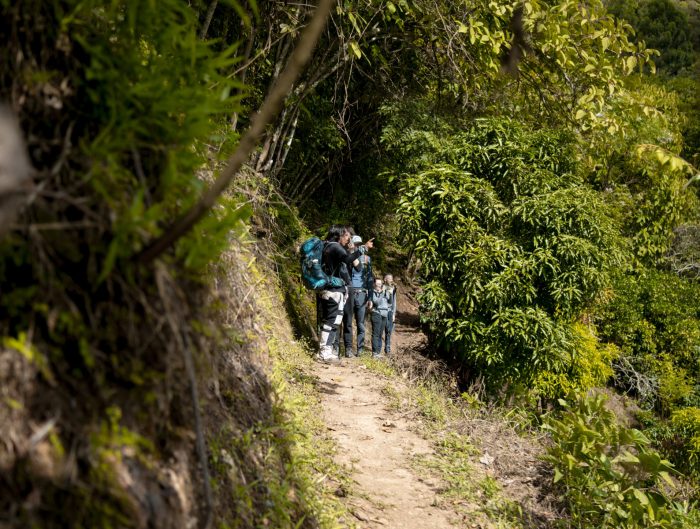
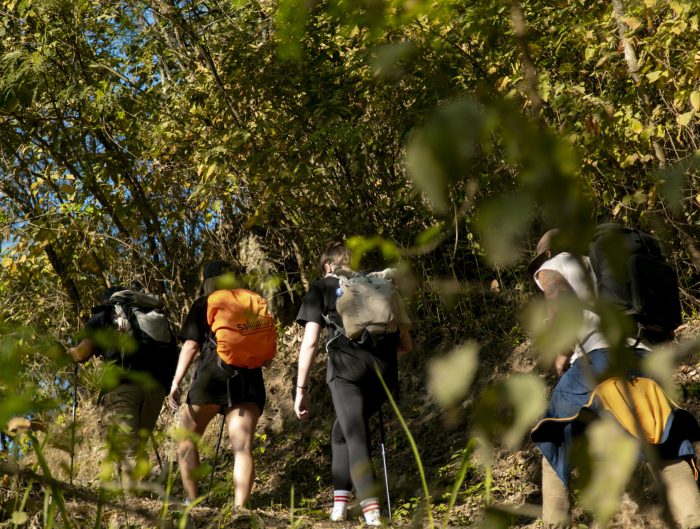
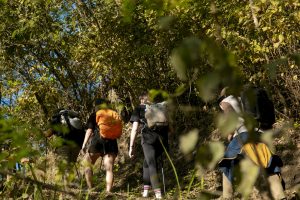
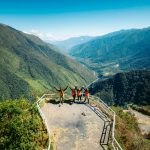
One minute, you’re walking through dense forest with vines hanging overhead. The next, you’re crossing rivers, passing waterfalls, or cutting through farmland where coffee plants and banana trees casually line the trail.
Everything grows passionately here. Leaves are bigger. Flowers are louder. The color green shows up in about fifteen different shades.
Unlike classic mountain trekking, where the views tend to be big and distant, the high jungle pulls everything in close. It’s immersive. You don’t observe it. You’re in it.
And that constant change? That’s the magic. The trail never settles into a single mood.
Wildlife That You Can Actually Experience
High-altitude trekking is beautiful, and we’re huge fans, but let’s be honest, wildlife sightings can be a bit hit-and-miss on the best of days. In the high jungle, things actually move.
Birds call from the trees. Insects hum, buzz, and occasionally show themselves. You might spot orchids growing wild along the trail or catch sight of colorful frogs tucked into the undergrowth.
This area sits right on the edge of the Amazon ecosystem, which means biodiversity is through the roof. Even if you’re not what you’d consider a big nature person, it’s hard not to notice how much is happening around you at all times.
It’s one of those places where stopping for water somehow turns into a five-minute wildlife break.
A Trek That Feels More Human
One of the most underrated parts of the high jungle is how connected it feels to everyday life. Yep, it’s not all wild and chaotic.
The trail passes through small rural communities where people farm the land, grow coffee, and live at a pace that feels refreshingly unbothered by the outside world. This isn’t a sealed-off wilderness. It’s a lived-in landscape.
You’ll see crops growing right next to the trail. You might pass locals heading in the opposite direction, carrying produce or supplies. It adds a layer of authenticity that polished, heavily regulated routes sometimes lose.
Trekking here doesn’t feel staged. It feels real.
Lower Altitude, Higher Enjoyment
Let’s talk comfort. Because we know it matters.
After days at a higher elevation in Cusco, the high jungle is where many trekkers start sleeping better, breathing easier, and generally feeling more like themselves again. The lower altitude reduces the strain on your body, and the warmer temperatures make the days feel more relaxed.
You’re still traveling. You’re still earning every view. But it’s less about surviving the environment and more about enjoying it.
The Inca Jungle’s Secret Weapon
The Inca Jungle trek has built its reputation on variety, and the high jungle is a big reason why.
Where other routes commit to a single landscape, this trek shifts gears various times throughout. You get high mountain passes, cloud forest, jungle trails, and cultural encounters all wrapped into one experience.
The high jungle isn’t just a scenic transition. It’s a highlight. For many trekkers, it ends up being the most memorable section, and not because it’s famous, but because it feels unexpected.
It’s the part nobody oversells, which might be exactly why it delivers.
Why It Still Flies Under The Radar
So why doesn’t the high jungle get more attention?
Simple. It doesn’t have a postcard-famous ruin attached to it, and it doesn’t photograph as dramatically as snow-capped peaks. It’s experiential rather than iconic.
But ask people who’ve actually walked through it, and the story changes quickly. The humidity, the color, the sense of movement, the warmth. It all leaves a mark.
It’s a reminder that trekking isn’t all about ticking landmarks off a list. Sometimes it’s about how a place feels while you’re moving through it.
Who The High Jungle Is Perfect For
This stretch of the trek (and the Inca Jungle trail overall) is ideal for travelers who want:
- A break from cold, high-altitude conditions
- Lush scenery instead of rocky switchbacks
- A more relaxed, immersive walking experience
- Cultural interaction that feels natural, not scripted
- A side of Peru that doesn’t show up on every brochure
If variety is your thing and you like your adventures a little less predictable, the high jungle delivers.
Why It Belongs On Your Trekking Shortlist
The high jungle doesn’t try to compete with Peru’s most famous destinations. It doesn’t need to. It offers something different: warmth, life, movement, and a sense of discovery that sneaks up on you.
On the Inca Jungle trek, this section is where the journey softens, opens up, and reminds you why you signed up in the first place. It’s where the trek stops feeling like a challenge to conquer and starts feeling like an experience to soak in.
Sometimes the best trekking landscapes aren’t the loudest ones. They’re the ones quietly waiting for you to notice them. And the high jungle has been waiting patiently, so book your trek, strap on your hiking boots, and get out on the trail.

You might also like
Leave A Reply