
You’ve bombed down mountain roads on a bike, hiked through cloud forest, soaked in hot springs, crossed rivers, eaten extremely well for how remote everything felt, and laughed more than expected. The Inca Jungle trek has a way of doing that. It’s messy in the best sense, a little wild, and very human. And then, after all that fun, you arrive at Machu Picchu.
This moment feels different when you’ve earned it the Inca Jungle way.
Visiting Machu Picchu after completing the Inca Jungle trek isn’t just about ticking off a Wonder of the World. It’s the emotional payoff. The quiet “we actually did that” moment. The deep breath at the Sun Gate. The photos that somehow still don’t do it justice.
This guide is all about making that moment even better. As best as it can be. We cover what the Inca Jungle trek really involves, how it feels to reach Machu Picchu after days of adventure, and the best tips to get the most out of your visit without overthinking it or turning it into a logistical headache.
Table of Contents
What The Inca Jungle Trek Actually Is (And Why People Love It)
Let’s get this straight: the Inca Jungle trek isn’t a soft alternative. It’s just a different kind of challenge.
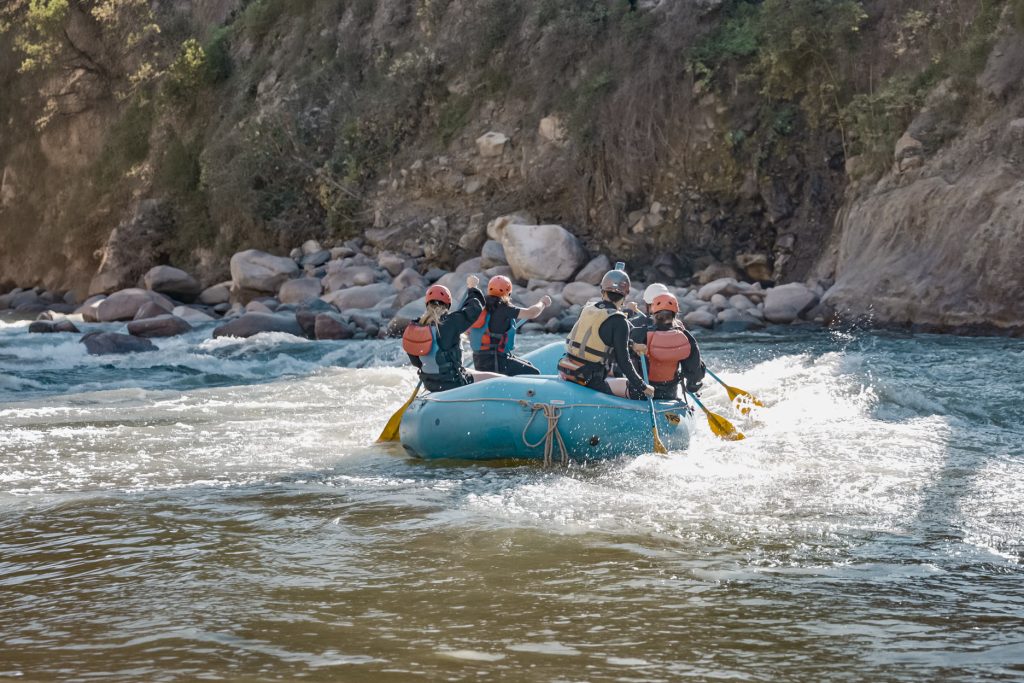
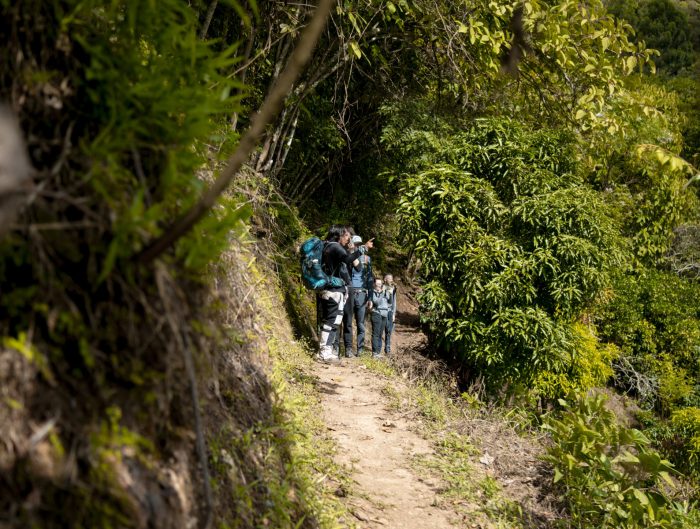
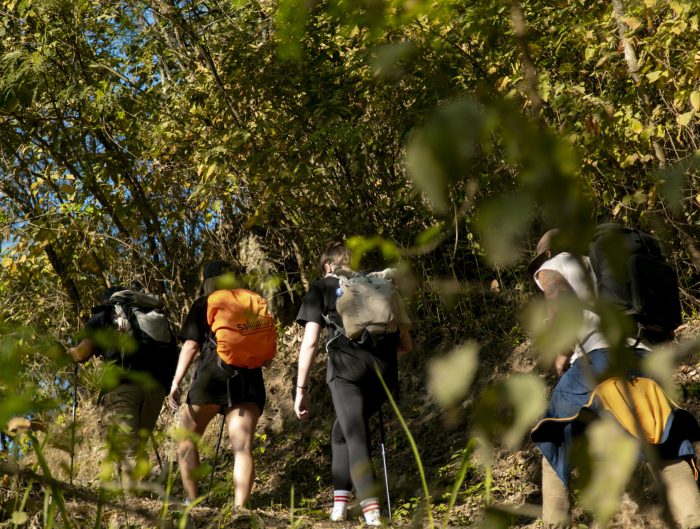
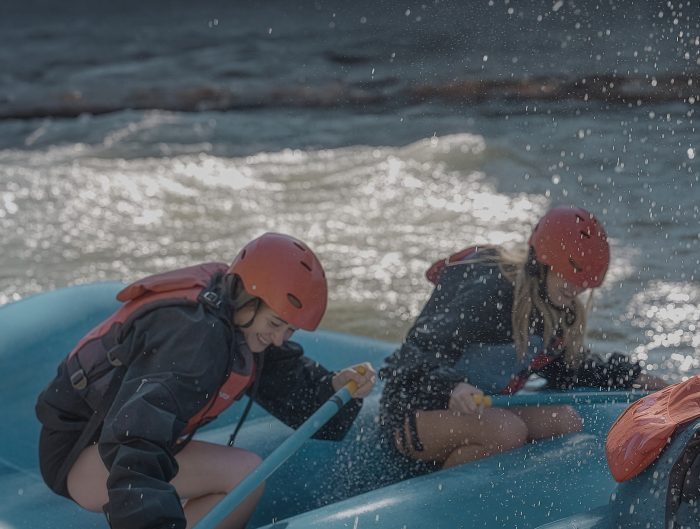
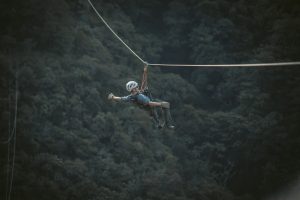
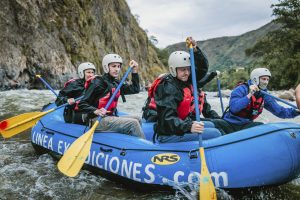
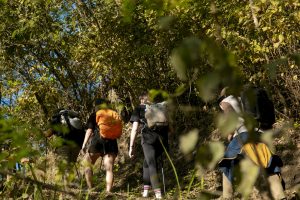
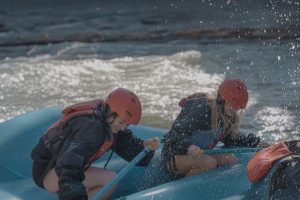
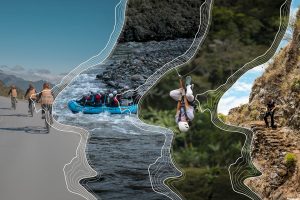
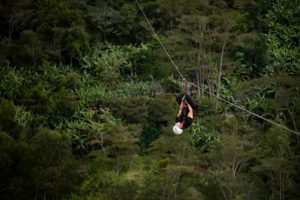
Instead of ancient stone steps every day, you get variety. Downhill mountain biking through misty passes. Staring up at the Andean jungle while tackling the Vilcanota river rapids. Hiking through coffee farms and tropical trails. Optional ziplining. Hot springs that feel so good they should be illegal after long days on your feet. Nights in small villages where locals still wave as you walk past.
It’s physical, yes. But it’s also social, fun, and refreshingly relaxed. There’s more laughter, more flexibility, and fewer “everyone must whisper because we’re hearing about history” moments. For a lot of travelers, especially those who like a bit of adrenaline mixed with culture, it’s the sweet spot.
And when you finally approach Machu Picchu, you don’t feel rushed. You feel ready.
How It Feels To Reach Machu Picchu After The Inca Jungle Trek
There’s a noticeable difference between arriving at Machu Picchu straight from Cusco on a train and arriving after four days of moving through the Andes and jungle.
You’re more present and “in the zone”.
You understand the landscape better. You’ve felt the humidity, the changes in altitude, the mud, the heat, the rain, and the sudden bursts of sunshine. Machu Picchu doesn’t feel like a standalone attraction this way. It feels like the logical end of an epic journey.
There’s also a quiet pride that settles in. You didn’t just show up with your ticket. You worked your way here. That changes how long you linger, what you notice, and how deeply the place lands.
Which brings us to the good stuff: how to visit Machu Picchu well after the Inca Jungle trek.
What To Wear At Machu Picchu After Four Days In The Jungle
By the time you reach Machu Picchu, your definition of “clean clothes” has shifted slightly. That’s fine. No one’s judging.
Still, a little planning goes a long way. Go for lightweight layers and nothing brand new that rubs or pinches. Mornings can be cool, afternoons warm, and weather changes quickly, so think practical rather than stylish. That means breathable tops, comfortable trousers or leggings, and shoes you trust with your life.
And yes, sneakers are perfectly acceptable. Machu Picchu isn’t a fashion show. It’s an ancient mountaintop city.
Take A Breath Before You Go Full Camera Mode
The instinct is immediate. Camera out, panoramic shots, video, selfies, repeat. And that’s totally fair.
But here’s the tip: wait five minutes.
Stand still. Look around. Notice how quiet it is early in the day. Watch the clouds move. Feel how your legs are tired in that satisfying way that says, “We earned this.”
Those first few minutes, unfiltered and undocumented, tend to become the moment people remember most.
Choose The Right Time Slot (It Matters More Than You Think)
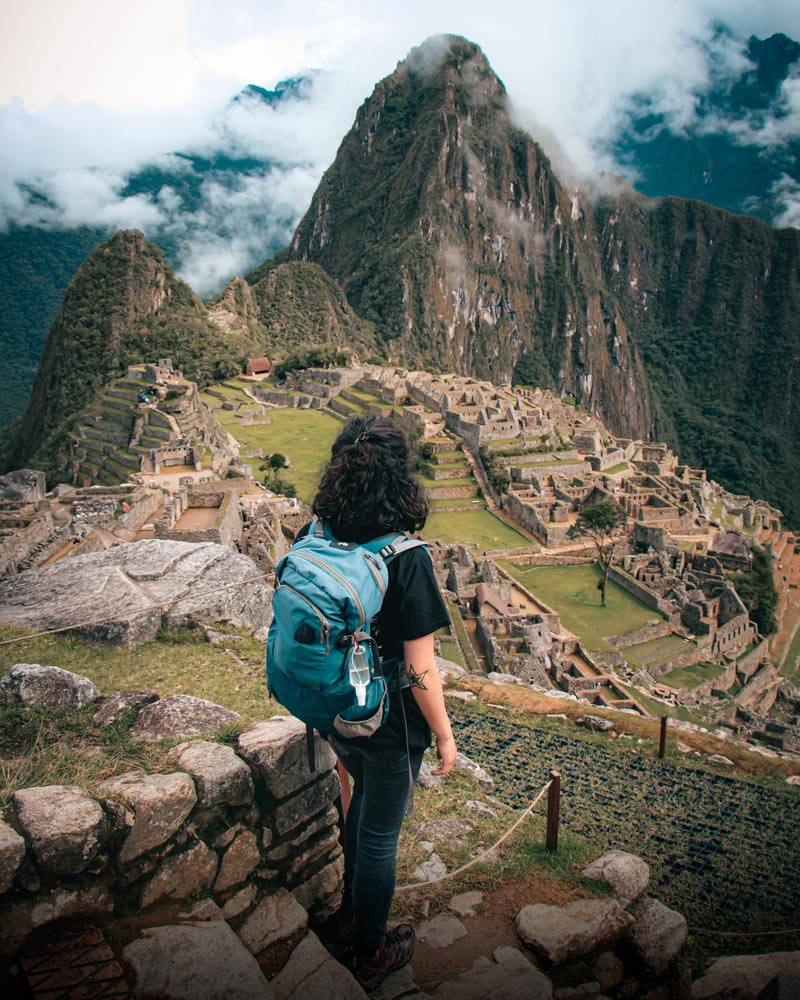
After the Inca Jungle trek, most visits to Machu Picchu happen early in the morning. This is a gift. Early entry means fewer crowds, cooler temperatures, and that soft light photographers obsess over.
If you’re given a choice, go earlier rather than later. Machu Picchu gets busier as the day goes on, and after days of trekking, you’ll appreciate being done before the midday rush.
Online, you’ll find details about entry times and circuit options, and following that guidance makes the whole experience smoother, especially after a multi-day trek.
Pace Yourself Inside The Ruins
You’ve already done the hard part. There’s no need to sprint through Machu Picchu like it’s the last train out of town.
Walk slowly. Sit when you can. Let your guide handle the storytelling while you handle taking it all in. Machu Picchu rewards patience. The more time you give it, the more layers it reveals.
And yes, the llamas really are that photogenic. They know exactly what they’re doing.
Consider An Extra Hike Only If Your Legs Are Genuinely Up For It
Huayna Picchu and Machu Picchu Mountain are incredible to walk up to, but they’re not mandatory.
After the Inca Jungle trek, some people are buzzing and want one more challenge. Others are quietly negotiating peace treaties with their calves. Both are valid.
If you do choose an extra hike, do it because you want the views, not because you feel like you “should.” Machu Picchu itself is already a full experience. There’s no prize for limping through it exhausted.
Eat Before You Go (This Is Not The Time To Wing It)
This sounds obvious. It’s also commonly ignored. Maybe because you start so early in the day, but it’s important to your enjoyment at the citadel.
Eat breakfast. Drink water. Bring snacks to eat before you enter. Machu Picchu is not the place to discover that skipping meals was a bad idea. After days of trekking, your body is still catching up.
A well-fed visitor is a happy visitor. A hungry one just wants the exit, and that’s the last thing you want when you’ve made it so far.
Let The Story Sink In
After the Inca Jungle trek, Machu Picchu stops being a mysterious ruin and starts being a chapter in a much bigger story.
You’ve walked through communities that still live closely tied to the land. You’ve seen how the landscape shapes daily life. When your guide explains why Machu Picchu was built where it was, you understand it better.
Ask questions. Be curious. The site information we share ahead of time helps set this context, but being there after the trek brings it all together in a way no article ever could.
Don’t Rush Back To Cusco If You Don’t Have To
If your itinerary allows it, take your time after Machu Picchu.
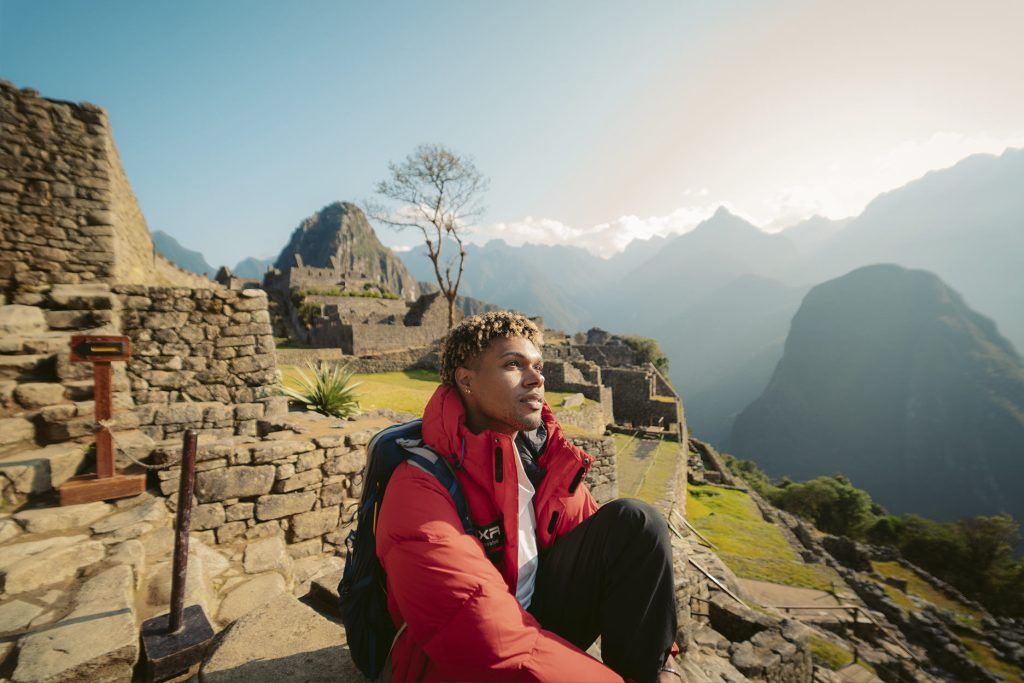
Aguas Calientes is a good place to decompress. Enjoy a slow lunch, a hot drink, and maybe one last wander. You’ve been moving for days. It’s okay to slow down.
This pause helps close the experience properly instead of snapping you straight back to city life.
Why Machu Picchu Feels Better After The Inca Jungle Trek
There’s something rather powerful about arriving at one of the world’s most famous places already tired, already humbled, and already connected to the landscape.
The Inca Jungle trek strips away expectations. It replaces them with experience. So when Machu Picchu finally appears, it’s not a climax but a resolution.
That’s why so many travelers finish this journey already planning their next one. The trek doesn’t just lead to Machu Picchu. It changes how you experience it.
And if you’re the kind of traveler who wants more than just a photo, more than just a tick in a box, this route makes all the difference.

You might also like
Leave A Reply