
Machu Picchu has a habit of stealing the spotlight. Fair enough. It’s one of the most iconic places on the planet. But how you get there matters just as much as standing there at the end, trying to process how the Incas built something so precise without modern tools.
The Inca Jungle trek is more than a route to the Lost City. It’s a slow-burn, both physically and mentally, that sets you up to actually enjoy Machu Picchu instead of crawling into it half-broken. Through a mix of hiking, cycling, rafting, ziplining, jungle heat, cultural stops, and a bit of history, the Inca Jungle prepares your body, sharpens your mindset, and gently recalibrates what “comfort” means.
This trek is designed to build day by day. Nothing is random. Every activity plays a role. And by the time you arrive at Machu Picchu, you’re not just ready. You’re tuned in.
Table of Contents
Why Preparation Matters More Than You Think
Machu Picchu sits at around 7,970 feet above sea level (2,430 meters). That’s not extreme altitude, but after several days of movement, early starts, and changing climates, it can still have a greater impact than you expected. What catches most people out isn’t the elevation, though. It’s fatigue and sensory overload.
The Inca Jungle counters that by easing you into physical exertion while quietly building confidence. Instead of throwing you straight into long, high-altitude days, it stacks experiences. You’re moving every day, but in different ways. Your legs adapt. Your lungs adapt. Your expectations adapt too.
Day One: Controlled Chaos On Two Wheels & Water
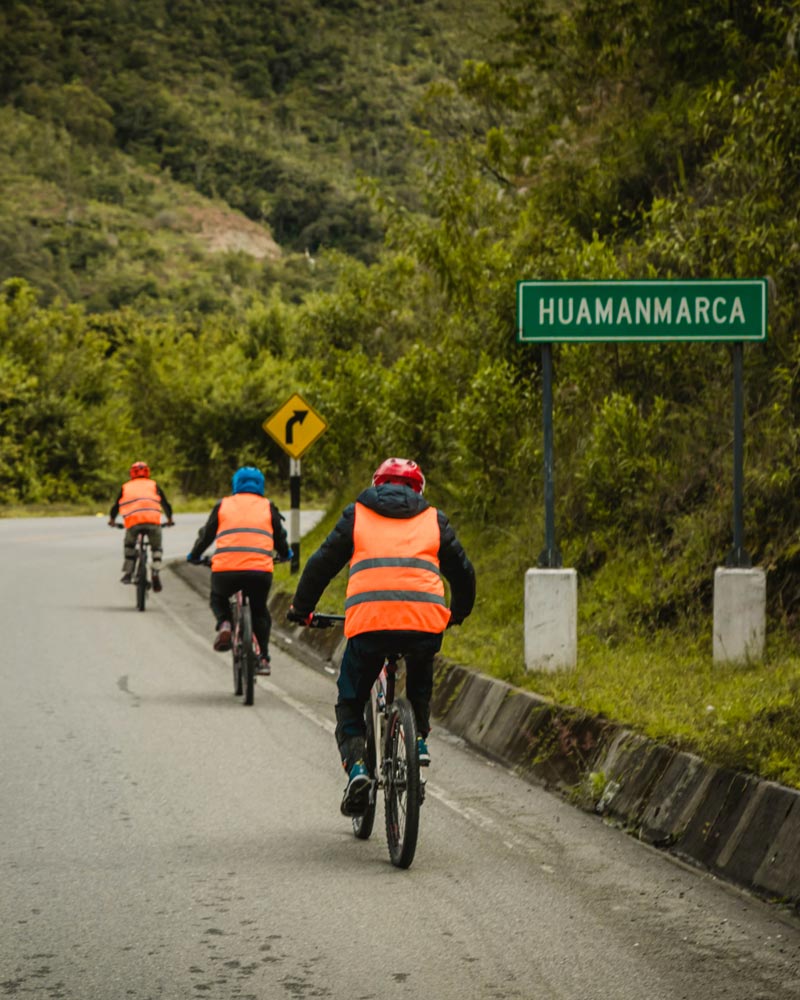
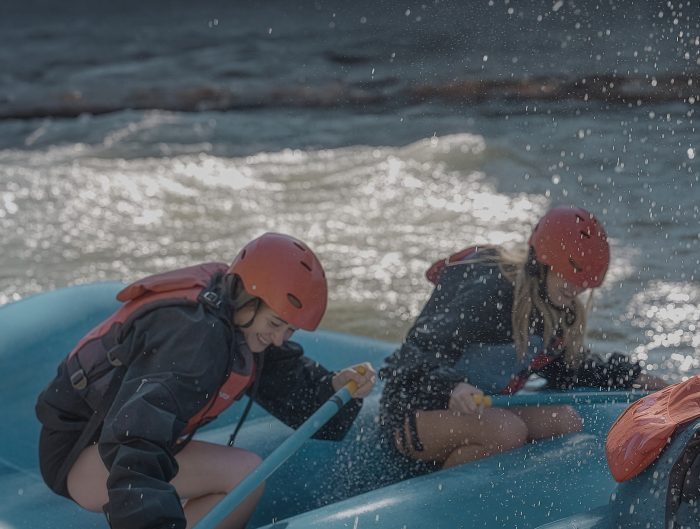
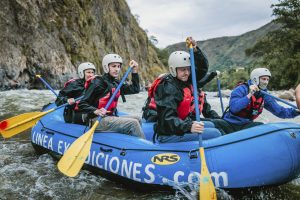
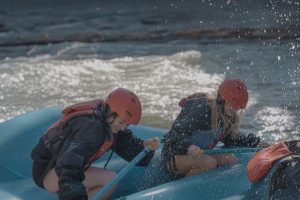
The Inca Jungle trek kicks off with a downhill mountain bike ride from the high Andes into warmer high jungle terrain. This isn’t a casual spin around the block. You’re navigating winding roads, shifting temperatures, and dramatic scenery that demands your attention for 55 km. Next, you have the option for river rafting across category III rapids, which has even the quietest trekker screaming at the top of their lungs.
Physically, this day may well wake up muscles you didn’t even know you had. Mentally, it sets the tone. You’re required to stay present. There’s no zoning out when you’re descending from cold mountain air into cloud forest in a matter of hours and then thrown into fast-moving waters.
It’s also a quiet lesson in trust. Trusting your gears and paddle. Trusting your guide. Trusting yourself. That confidence carries forward into what comes next.
Transitioning From Adrenaline To Endurance
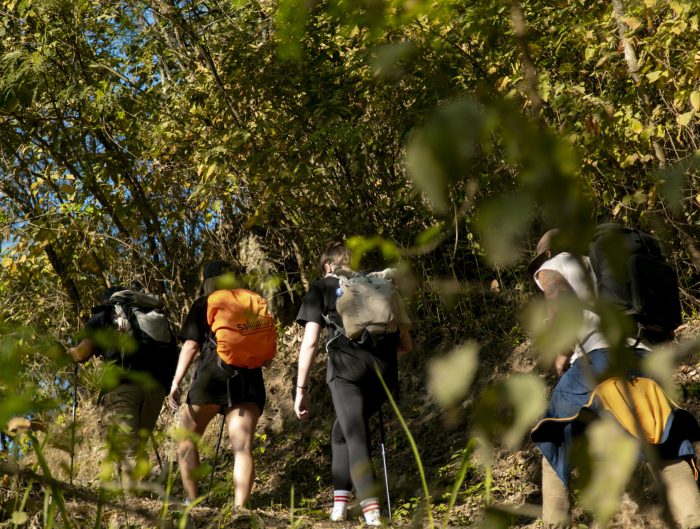
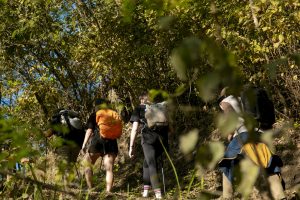
After the bikes are parked and the rafts are deflated, the trek pivots. Walking replaces high-adrenaline activities. The jungle closes in. The air gets thicker. Suddenly, pacing matters more than speed.
This change is deliberate. It teaches your body to recover while still moving. You learn how to regulate effort. When to push and when to ease off. That skill becomes invaluable later, especially on the Machu Picchu day, when excitement can make people sprint stairs they really shouldn’t.
Mentally, the jungle environment does something interesting. There’s less open space, fewer sweeping views, and more focus on what’s right in front of you. It encourages patience and attention, two things many people don’t realize they’re lacking until they need them.
Heat, Humidity, And Learning To Manage Discomfort
Walking in warm, humid conditions along the Inca Jungle trek teaches efficient movement. Those extra layers you packed suddenly feel like a bad idea. Hydration stops being optional. Small habits start to matter.
This kind of discomfort isn’t about suffering. Instead, it’s about adjustment. Your body becomes better at cooling itself. Your mind stops panicking every time things feel a bit sticky or slow.
By the time you reach Machu Picchu’s stone staircases, cooler air and structured paths feel almost luxurious.
Cultural Stops That Ground The Experience
Coffee farms, small villages, and local interactions aren’t just pleasant breaks from walking. They reset your perspective. Sitting down with a cup of locally grown coffee after a long morning on the trail does more than refuel you. It reminds you why you’re out here.
These moments reduce mental fatigue. They break the trek into small segments rather than one long push. And that mental distinction between parts is key. Instead of counting kilometers, you start measuring days by experiences.
That mindset switch makes Machu Picchu feel like the end of an epic journey, not just a destination you’ve been aiming for.
Hot Springs And The Power Of Recovery
Somewhere along the route, optional hot springs make an appearance, and that doesn’t happen by accident.
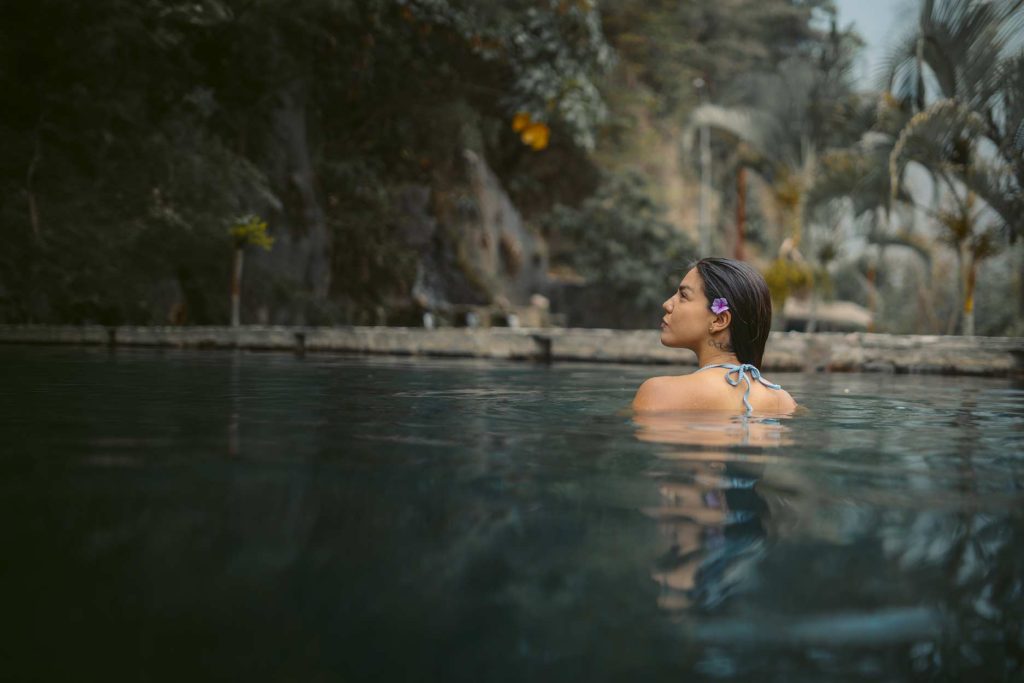
Physically, soaking in the thermal pools helps muscles recover and keeps minor aches from turning into real problems. Mentally, it allows you to slow down. You learn that rest is part of making progress, not a reward for finishing.
This lesson pays off later when the large crowds, early wake-ups, and sensory overload threaten to drain your energy. You’ve got better at conserving it.
Optional Activities And Confidence Building
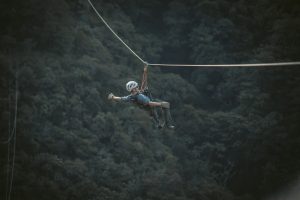
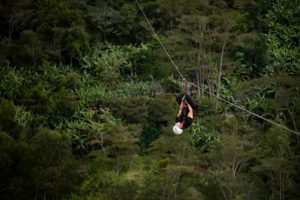
Ziplining and other optional activities might seem like side quests, but they actually serve a purpose. They push you slightly outside your comfort zone but in a controlled way.
Each time you say yes to a high-adrenaline activity, a steeper section of trail, or an earlier start, you reinforce trust in yourself. By the Machu Picchu day, that confidence shows, and you engage more with the site and all it has to teach you.
The Final Approach: Walking With Intention
As the trek goes on and Machu Picchu gets closer, something within you changes. Movements become more efficient. Packs feel lighter, and not because they are, but because your body has gotten more used to them.
You’ve learned how to pace yourself. You’ve learned how to manage discomfort. You’ve learned that big moments are better when you arrive steady, not rushed.
That’s the real preparation. Not just stronger legs, but a calmer, more focused mind.
How To Prepare For The Inca Jungle Before You Go
The Inca Jungle does a great job of preparing you as you go, but showing up even a little bit ready makes the whole experience more enjoyable. This isn’t a trek that requires elite fitness or a military training plan. It does, however, reward people who think ahead. Here are our top pre-trek prep tips to get the most from the experience.
Physical Preparation: Train For Consistency, Not Speed
You don’t need to run marathons, but you do need to be comfortable moving for several days in a row. The best preparation is simple, unglamorous, and very effective:
- Go for regular walks, especially on hills or uneven ground
- Add stairs where you can (stadiums, apartment blocks, office stairwells, and wherever else you can)
- Perform some light strength training for legs and core, as this helps more than people expect
The Inca Jungle mixes biking, rafting, and long days on your feet. Training your body to keep going day after day matters more than basic fitness. If you can walk for a few hours without feeling wrecked the next morning, you’re on the right track.
Altitude: Arrive Early And Be Patient With Yourself
While the Inca Jungle itself stays at relatively moderate elevations, Cusco does not. Spending at least a couple of days in Cusco before starting the trek gives your body time to adjust and dramatically improves how you feel on day one when you start at 4,350 meters above sea level (14,272 ft).
Hydration helps. Heavy drinking does not. Neither does sprinting up stairs to “test yourself.” Take it slow. Let your body catch up. The trek will still challenge you, but it won’t destroy you.
Packing Smart: Less Weight = Better Days
One of the fastest ways to make the trek harder than it needs to be is overpacking. The jungle heat makes every extra item noticeable.
Focus on:
- Lightweight, breathable clothing
- A reliable rain jacket
- Comfortable, broken-in hiking shoes (not brand new, ever)
- A small daypack you can carry comfortably for hours
Quick-dry fabrics are your friend. Heavy cotton is not. Neither is packing “just in case” items you wouldn’t normally use at home. If you didn’t need it on your last long walk, you probably don’t need it here. After all, it’s only four days in total.
Footwear And Comfort Matter More Than Fashion
This isn’t the trek to break in new boots or experiment with minimalist sandals. Choose shoes you trust, with good grip and support. The terrain changes daily, and confidence in your footing saves energy you’ll want later.
Oh, and here’s a top tip from the experts. A few blister plasters in your bag can quietly become the most valuable thing you packed.
Mental Preparation: Flexibility Is A Skill
The Inca Jungle blends structure with spontaneity. Weather changes. Conditions shift. Plans adapt. Going in with a flexible mindset makes everything smoother.
You don’t need to control every detail. You just need to show up open, curious, and ready to move. Your tour operator takes care of the rest.
Prepared this way, the Inca Jungle stops being something to “get through” and becomes exactly what it’s meant to be: the ideal warm-up for one of the most remarkable places on Earth.
Machu Picchu Feels Different When You’re Ready
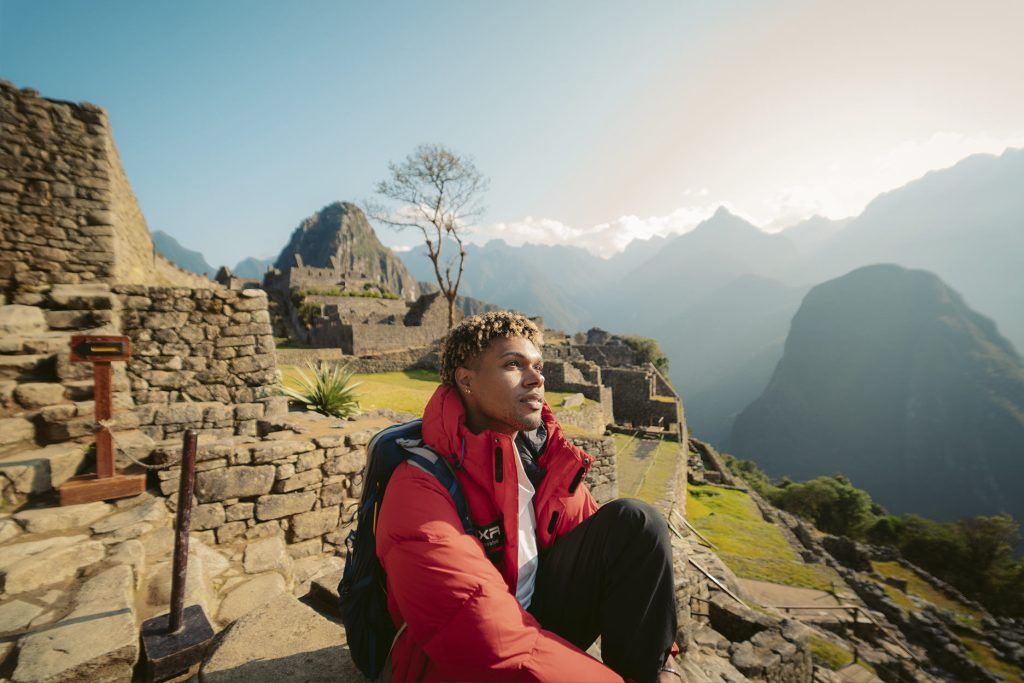
Arriving at Machu Picchu after the Inca Jungle isn’t simply about ticking a box. It’s about arriving alert, present, and physically capable of exploring without distraction.
You notice the smaller details. You ask better questions. You linger and explore further instead of collapsing onto the nearest stone wall.
The Inca Jungle doesn’t just get you there. It earns you the experience.
For those looking to reach Machu Picchu feeling prepared rather than depleted, this route slowly does the work long before the gates open. And that makes all the difference.

You might also like
Leave A Reply