
So you’ve heard of Machu Picchu. Everybody has. But here’s something far fewer people know. On the Inca Jungle trek, there’s a moment that feels like you’ve been invited to a private premiere. It happens at the Llactapata viewpoint, a little-known ridge where, after days of hiking through jaw-dropping landscapes, you turn a corner and suddenly there it is. Machu Picchu. In the distance. Surrounded by peaks, clouds, and that “is this really happening?” feeling.
Let’s break down why this viewpoint is one of the best hidden gems on the route, how it fits into the Inca Jungle trail (and other routes), and why you’ll be grinning like a kid on Christmas morning when you first spot the Lost City of the Incas from here.
Table of Contents
What Is Llactapata Viewpoint?
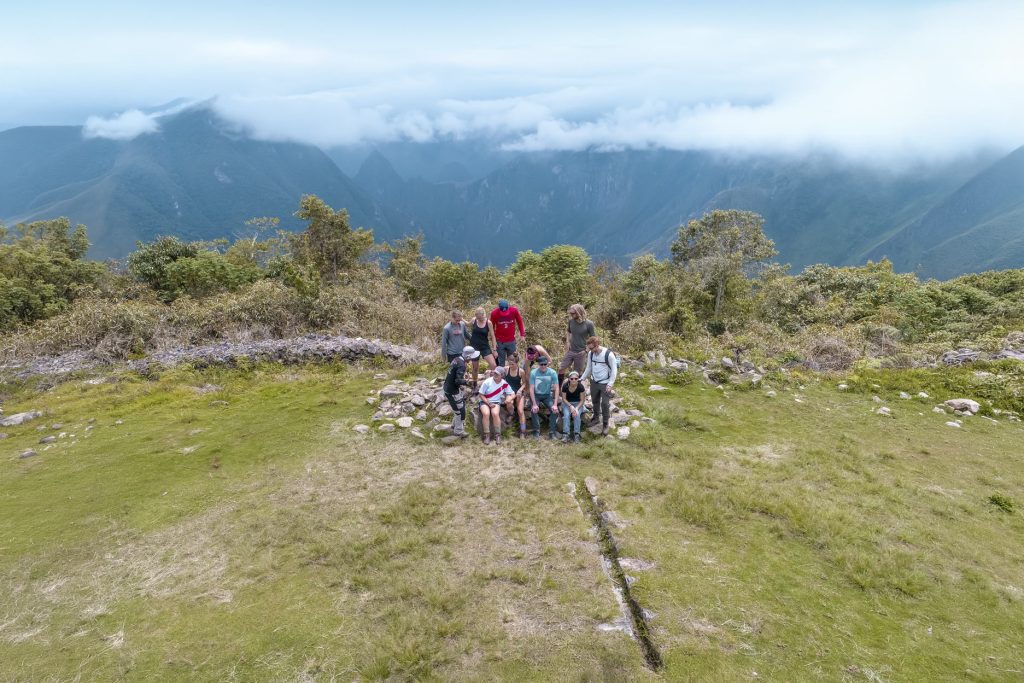
Llactapata is an Inca archaeological site tucked into the mountains overlooking Machu Picchu. It’s not a main attraction like the citadel itself; it’s something better. It’s a spot only a handful of trekkers see before they even arrive in Aguas Calientes.
This isn’t just “a viewpoint.” It’s a real piece of history. It’s a place the Incas once used as a control post and agricultural center, cleverly positioned on the mountainside to watch over the surrounding valleys. From here, you get a panoramic view that frames Machu Picchu, Huayna Picchu, and the surrounding ridges in a way most travelers never experience. It’s a once-in-a-lifetime feeling not many get to enjoy, and it’s exciting.
Why This Spot Is So Special
There’s a reason this moment is a standout highlight of your trek.
It’s Your First Machu Picchu Moment
Forget the sweeping views once you’re already inside the citadel. This is the first time you’ll glimpse Machu Picchu, half-hidden in the landscape. Guides usually pause here so you can take it in properly, hear the history, and snap photos that feel a little smug in the best way.
It Feels Like A Secret
Most people assume Machu Picchu only comes into view when you arrive at the entrance from Aguas Calientes. Llactapata proves otherwise. Seeing it from afar first builds your anticipation for the main event and makes the final arrival even more satisfying.
The Journey There Is Half The Fun
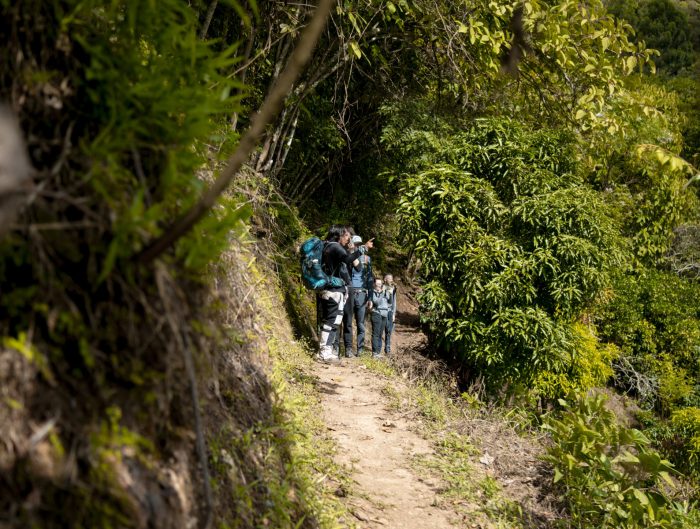
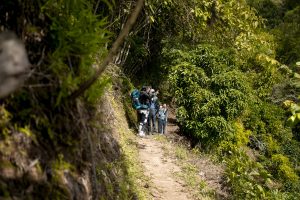
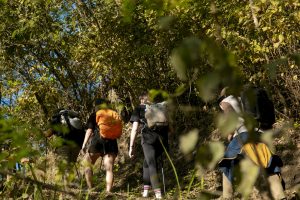
The hike to Llactapata is one of those stretches where the Inca Jungle really shows you what it’s made of. You move through lush jungle paths, coffee plantations (yes, we’re talking proper local coffee mid-trek), and changing scenery that goes from tropical green to ancient stone. It’s varied, scenic, and never boring.
Llactapata On The Inca Jungle Route
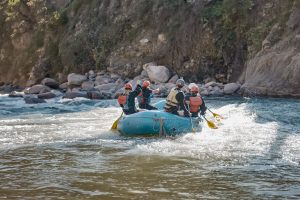
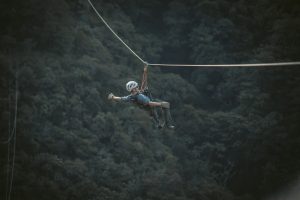
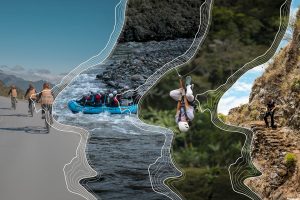
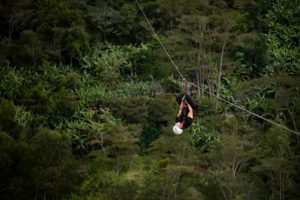
If you’re doing the Inca Jungle trek, the adventure-heavy route that mixes hiking with biking, zip-lining, rafting, and jungle trails, Llactapata appears on the day when you feel refreshed. You’ve finished the adrenaline-fueled activities and rested those tired muscles in thermal springs. You also know you’re getting ever closer to the Inca citadel, and you’re feeling pumped.
A typical flow to this part of the trek looks something like this:
- An early start with fresh local coffee at a plantation
- A steady hike through jungle terrain and open valleys
- A climb up to Llactapata viewpoint, perfectly timed for clear views when conditions allow
- A descent toward Aobamba and on to Hidroelectrica, with Machu Picchu lingering in the distance
It’s the day when the trek shifts from “this is a great adventure” to “we’re actually going to Machu Picchu.”
Can You See Llactapata On Other Routes?
While the Inca Jungle trek is one of the most exciting ways to reach Llactapata viewpoint, it’s not the only route where this hidden spot makes an appearance. A few other well-known treks pass through or near the Llactapata archaeological site, each offering a slightly different perspective.
Llactapata On The Salkantay Route
Some versions of the Salkantay Trek include a visit to Llactapata on the final trekking day before descending toward Machu Picchu. After days of high mountain passes, glaciers, and wide-open valleys, arriving at Llactapata feels like a dramatic shift in scenery.
From this angle, Machu Picchu appears framed by jungle-covered mountains rather than towering snow peaks you got used to earlier on the route. It’s a powerful contrast and a rewarding preview, especially after tackling one of the most challenging treks in the region.
Llactapata And The Classic Inca Trail
The classic Inca Trail doesn’t pass directly through the Llactapata viewpoint itself, but it does offer a similar “first glimpse” moment at the Sun Gate (Inti Punku). That said, Llactapata remains unique because of its distance and perspective in that you’re seeing Machu Picchu across the valley, not above it.
For travelers comparing routes, this is where Llactapata stands out. Instead of a ceremonial arrival, it delivers a quieter, more unexpected reveal. Less crowded, less rushed, and far more personal.
Why The Inca Jungle Version Feels Different
What really sets the Inca Jungle Trek apart is how Llactapata fits into the overall journey. You don’t arrive here after days of stone staircases or high-altitude passes alone. You arrive after adventurous activities, jungle paths, coffee farms, and constant changes in landscape.
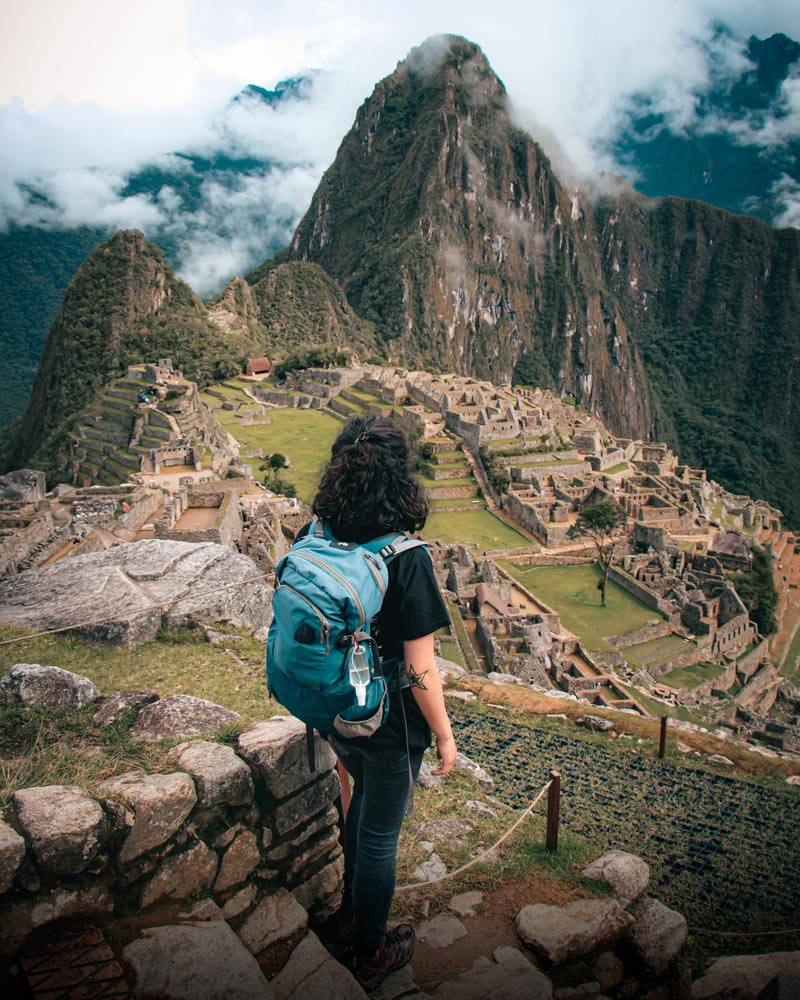
It makes the viewpoint feel like a surprise rather than a scheduled stop. One minute you’re hiking through greenery, the next you’re staring across the valley at Machu Picchu, wondering how it suddenly became very real.
Best Conditions For Seeing Machu Picchu From Llactapata
Clear mornings are ideal, especially during the dry season from May to October. On cloudy or rainy days, mist can roll in and out, sometimes hiding Machu Picchu entirely, other times revealing it in dramatic bursts that feel straight out of a movie. It can be a bit hit-and-miss during the wet season.
Early starts matter here. Getting to the viewpoint before clouds build gives you the best chance of a clean, unforgettable view.
The Moment That Makes The Trek Worth It
Let’s be honest, trekking isn’t particularly glamorous in any way, shape, or form. There are long days, tired legs, and moments where snacks become your main motivation. But standing at Llactapata, spotting Machu Picchu for the first time from afar, makes all of that fade into the background.
It’s quiet, it’s emotional, and it hits differently because you didn’t just arrive by train. You walked your way here.
Ready To Experience Llactapata For Yourself?
If seeing Machu Picchu in a way that feels personal, adventurous, and a little off the usual path appeals to you, the Llactapata viewpoint delivers. When you enjoy it as part of the Inca Jungle trek, it adds depth to the journey and gives you that rare first look most visitors never get.
Book a trek that takes you through this route, and you’re not just heading toward Machu Picchu. You’re building up to it, step by step, until that first distant glimpse locks the whole experience into your memory.

You might also like



Leave A Reply